
The year 2026 is already shaping up to be an interesting. Barely two weeks in and we’ve seen big moves in tech and politics.
Africa’s biggest fintech Flutterwave acquired open banking startup Mono, and US President Donald Trump launched an assault in Venezuela.
But there’s still a long way to go, and The Labari Journal wanted to get a sense of what will happen later in 2026.
We asked some notable personalities in Africa about what they think will happen in Africa in 2026.
Here are their thoughts:
Benjamin Dada – Founder of Condia

In 2025, Benjamin predicted that Nigerian fintechs would focus more on cross-border payments. This prediction mostly came to fruition.
For 2026, Benjamin had the following predictions:
“In 2026, we’ll see some missteps, shutdowns, consolidations, and another set of late entrants.
Broadly speaking, I think more African countries will pass crypto regulation. Nigeria, Ghana, and others already have motion here.
I wish I could say something for VC. So far, it doesn’t look like we’d see any rebound.”
Benjamin Dada is the founder and Editor of Condia, a tech-focused media company based in Nigeria
Alfred Appiah – Data Analyst
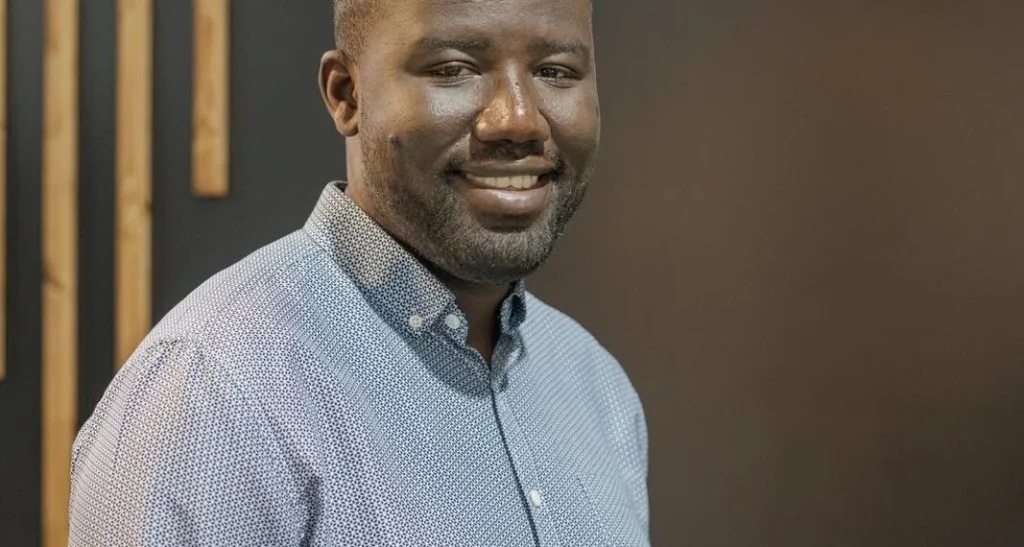
“A large part of Ghana’s economic rebound is tied to favourable external conditions, particularly record gold prices. As long as gold prices remain elevated, I expect the currency to continue to perform well in 2026.
2025 was a stabilization year for Ghana. I expect 2026 to mark a shift toward more expansive growth as the government rolls out some of its major initiatives, such as the 24H+. I also expect increased disbursements to contractors under the Big Push Agenda.
On inflation, I expect it to remain within the Bank of Ghana’s target band of 6–10%. I also anticipate further policy rate cuts, which should help ease borrowing costs and make credit more accessible to the private sector, supporting and sustaining growth.”
Alfred Appiah is an applied economist and a data scientist, and talks about Ghanaian public data and policy
Jessica Hope – Founder of Wimbart

A much needed shift from hype to durability and sustenance
“In 2026, African tech will be defined less by mega-rounds and more by capital efficiency, structured finance, and a clearly articulated pathway to profitability, now both a buzzword and a genuine sweetener for VCs.
The story moves from “Africa is booming” to “this business is built to last” as well as “this business makes money. ”
Fintech will still dominate
“Fintech remains the ecosystem’s gravitational centre, though attention will be divided between flashy consumer plays to infrastructure, such as payments rails, compliance, fraud, & security, credit & credit scoring, and merchant tooling where trust, regulation, and resilience become the real competitive angles that investors will be focused on.”
Regulation becomes a standing narrative risk – super important for stakeholder engagement & crisis communications
“Increased regulatory intervention around payments, data, and competition makes regulatory literacy and public trust central to growth and sustainability. Regulators wield huge power and can close a business or even close a sector down swiftly.
If you’re operating in a highly regulated sector, my advice would be to communicate early, transparently, and with a clear consumer-protection stance.”
Crisis communications will move from optional to essential
“As the ecosystem matures, crises become more frequent and more public. Many companies still observe others’ failures from the sidelines without investing in preparation themselves.
In 2026, the absence of rehearsed crisis protocols, clear decision-making structures, best practice when it comes to engaging with [and not engaging with] the media, and the training and support of credible spokespeople will increasingly define which companies lose trust under pressure and which retain it. This is more costly both reputationally and in terms of operations, as crisis comms at the last minute costs more.”
Jessica Hope is a British public relations expert and entrepreneur, widely recognized as the Founder and CEO of Wimbart, a leading London-based PR agency specializing in the African technology and startup sectors.
Amma Gyampo – CEO of Ghana Venture Capital and Private Equity Association (GVCA)

“An increase in more innovative finance, philanthropic Investments and domestic capital mobilization initiatives with more investment solutions designed to incentivise, provide liquidity, scale, as well as de-risking elements required by institutional-grade investors like pension funds.”
Push of New Acts and Frameworks
“The Limited Partnerships Act and framework will be championed by the Ministry of Finance, Ghana Venture Capital Association, and other industry leaders to make Ghana a regionally competitive private capital investment ecosystem required to invest long-term in the big businesses of the future.”
More Focus on Job Creation
“A focus on positive mass job creation outcomes based on deepening strategic partnerships focused more on boosting the quality of viable business models, building more integrated value chains, and access to finance for private sector businesses, including affordable working capital for SMEs, startups, and venture capital funds.”
Shift Towards Technical Skills
“There are growing calls from industry leaders for smarter, more systems-focused interventions; 2026 will see a shift towards technical skills, industry and market linkages, and talent development platforms to truly build up Africa’s productivity, employability, operational and management capacity as a continent. We’ve seen major players in Venture Capital double down on this challenge like Andela and Flutterwave founder, turned investor, Iyinoluwa Aboyeji.”
Amma Gyampo is a prominent Ghanaian-British entrepreneur, strategist, and ecosystem builder. She is currently the CEO of the Ghana Venture Capital and Private Equity Association (GVCA).
Keni Ribeiro – Founder of Brand Elevate Consult

Generic brands will lose relevance and pricing power
“In 2026, Ghanaian brands that look and sound like everyone else will struggle to command loyalty or premium pricing. Differentiation will shift from visuals to clarity of purpose, positioning, and message discipline.”
Silence will be interpreted as detachment or incompetence
“Prolonged absence from public conversation will no longer feel neutral. Brands and public figures will be expected to show up during cultural, economic, and national moments with clarity and restraint.”
Content volume will matter less than message coherence
“Posting frequently without a clear narrative will lose effectiveness. Short-form video will remain dominant, but it will expose weak thinking, poor communication skills, and a lack of strategy faster than ever before.”
Communities will outperform audiences
“Follower counts and mass reach will matter less than trust-based communities. Brands and public figures who invest in loyal, engaged ecosystems will be more resilient than those chasing virality.”
Keni Ribeiro is a Ghanaian communications executive, brand strategist, and award-winning storyteller. She is the Founder of Brand Elevate Consult, a boutique agency that helps founders, public figures, and organizations build visible and influential brands.