


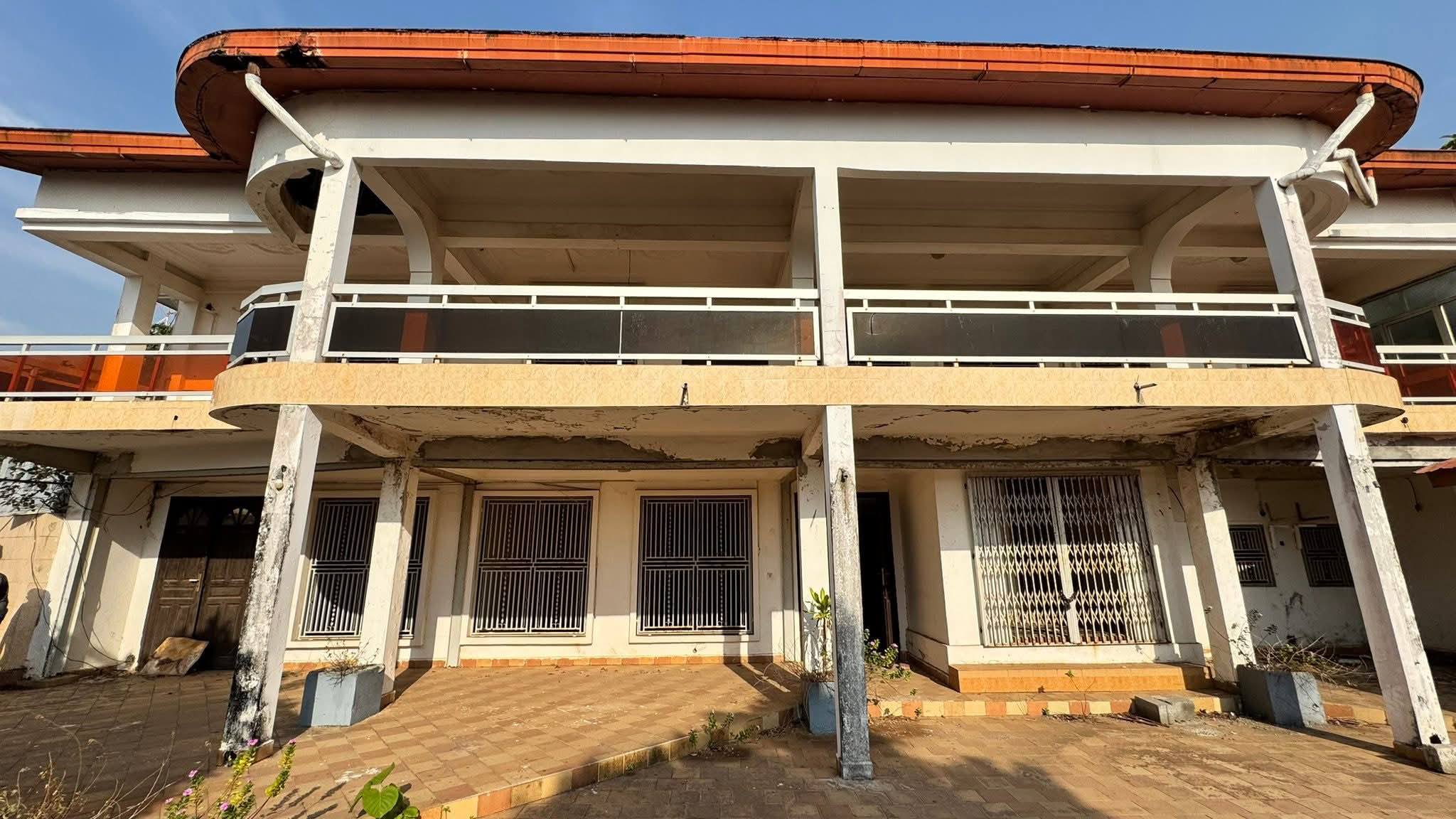
For decades, the seaside villa in Conakry stood as a silent, crumbling monument to one of the 20th century’s most audacious political experiments.
It was here, in a house provided by the Guinean revolutionary Ahmed Sékou Touré, that Kwame Nkrumah—the man who led Ghana to independence and dreamed of a United States of Africa—spent his twilight years in exile, holding the symbolic title of “Co-President” while plotting a return to power that never came.
Now, the government of Ghana wants the keys back.
This week, Ghanaian officials announced they have opened formal negotiations with the family of the late Sékou Touré to take possession of the residence.
The move, directed by President John Dramani Mahama, aims to transform the now-abandoned property into a heritage site, bridging a historical gap between Nkrumah’s triumphant rise in Accra and his lonely end in Guinea.
“The Mahama Administration intends to renovate and preserve Nkrumah’s Guinea residence not only as a mark of respect but also to safeguard his legacy and provide a full experience for tourists tracing his remarkable life from Ghana to Guinea,” said Samuel Okudzeto Ablakwa, Ghana’s Minister of Foreign Affairs, in a post online.
Diplomatic Talks
A Ghanaian delegation, led by Vice President Jane Naana Opoku-Agyemang, traveled to Conakry for the investiture of Guinea’s President Mamady Doumbouya.
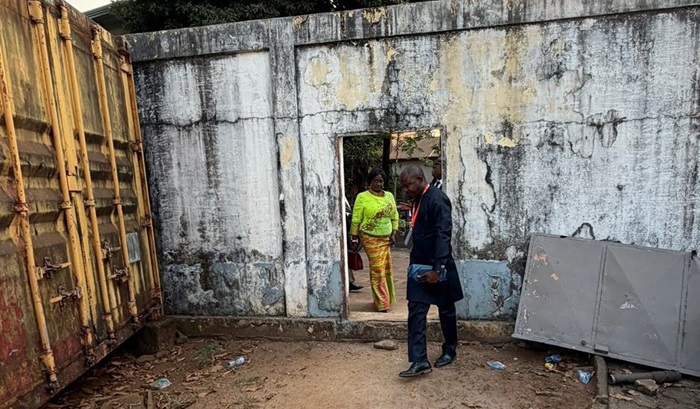
While there, they toured the villa, meeting with three generations of the Touré family.
After Nkrumah was ousted in a CIA-backed coup in 1966 while on a peace mission to Hanoi, Sékou Touré famously declared that the Ghanaian leader was “not a refugee, but a head of state.”
Nkrumah lived in Conakry for five years, writing books, playing chess, and receiving visits from figures like singer Miriam Makeba and civil rights activist Stokely Carmichael, before his death in 1972 at a clinic in Romania.
But as the years passed, the villa fell into disrepair.
Rehabbing The Villa
The current administration views the reclamation as a strategic move for “heritage tourism,” seeking to capitalize on a global interest in African liberation history.
Government officials said they are currently engaging preservation experts to handle the restoration, promising a transparent process.
If successful, the house in Conakry will join the Kwame Nkrumah Memorial Park in Accra as a twin pillar of Ghana’s historical identity—one celebrating the father of the nation at his peak, and the other preserving the quiet, defiant dignity of his exile.
This article was edited with AI and reviewed by human editors



Follow