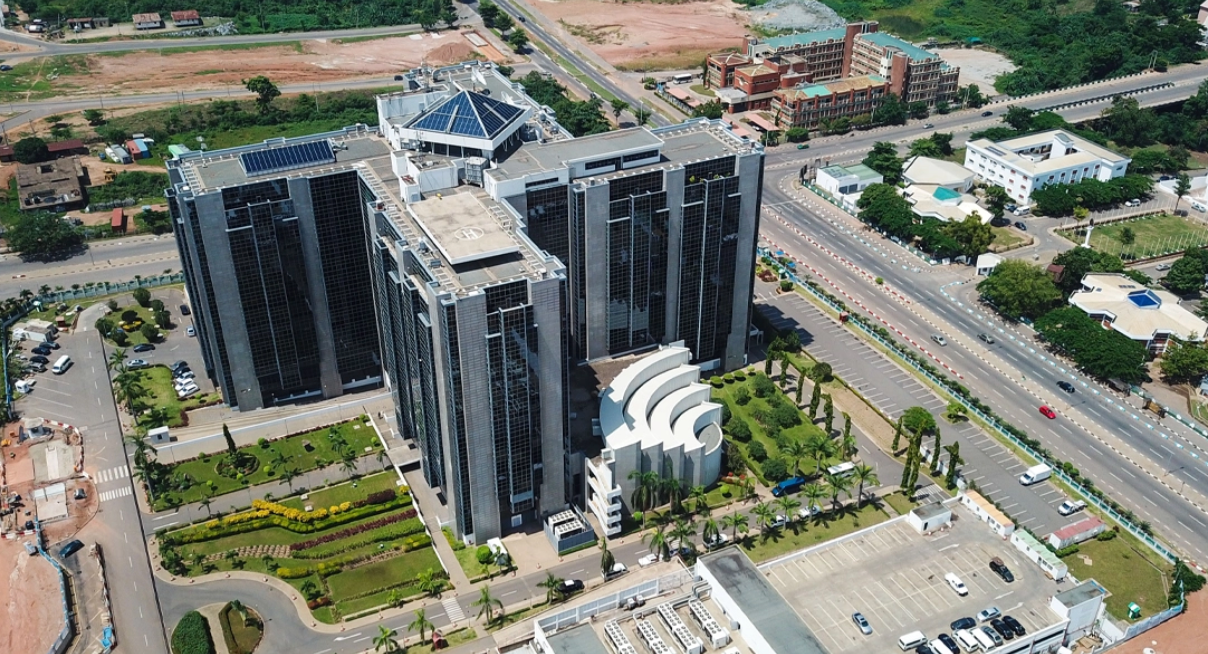
LAGOS, Nigeria — For years, Nigeria’s fintech sector has been the darling of African tech, a high-speed engine of growth that turned a handful of startups into a vibrant ecosystem.
But as the industry matures, it is hitting a series of “stress tests” that are forcing a reckoning between ambitious innovators and the regulators tasked with keeping the system from toppling.+4
In a new report titled “Shaping the Future of Fintech in Nigeria,” the Central Bank of Nigeria (CBN) lays out a vision for a digital economy that is more inclusive, but also more tightly governed.
The document, the result of a rare and candid collaboration between the central bank and industry leaders, paints a picture of a nation at a crossroads: Nigeria is a global leader in real-time payments, yet half of the industry’s stakeholders still describe system-wide interoperability as “poor”.
“Innovation is a strategic imperative,” writes Olayemi Cardoso, the Governor of the CBN, in the report’s foreword. He describes a “transformative power” that can “improve the lives of millions,” but his tone is tempered with the caution of a man overseeing a volatile economy.
For the CBN, the goal is to find a “right balance” between creativity and stability.
The “Detty December” Challenge
Nowhere is the tension between digital ambition and physical reality more evident than during “Detty December”—the month-long year-end celebration when Lagos swells with returning diaspora and festive spending.
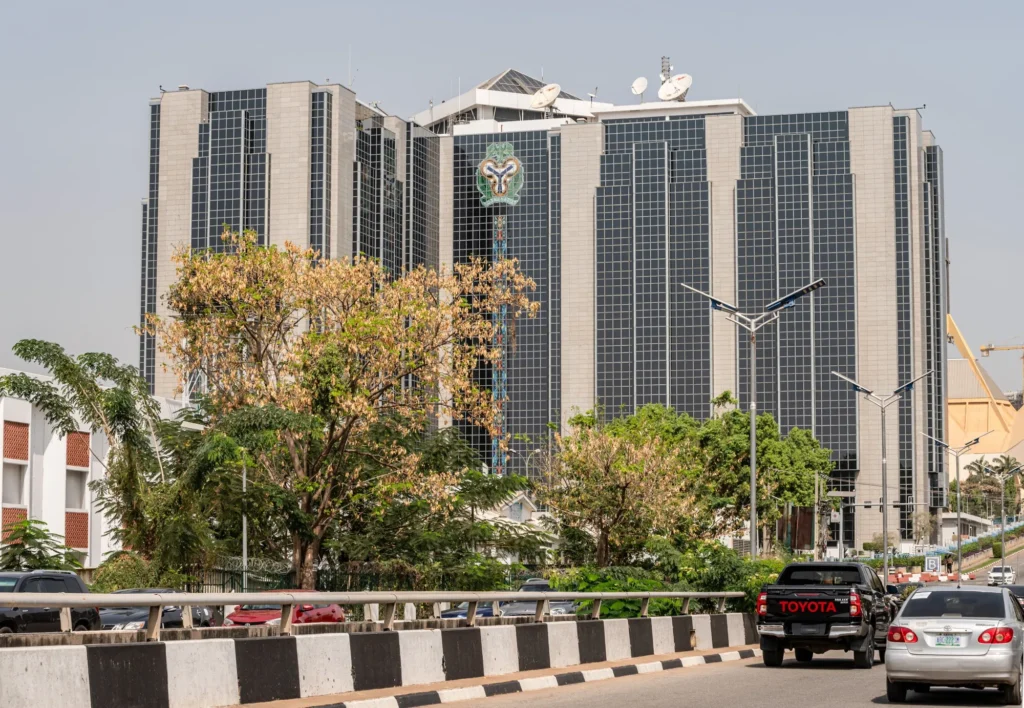
The report identifies this period as a critical “peak-season” test for the country’s payment infrastructure. During these holidays, a spike in salary disbursements and travel remittances compounds demand, leading to service interruptions that undermine public trust.
Stakeholders told the CBN that capacity isn’t the only problem; visibility is too. To fix this, the report suggests a more high-tech approach to crisis management, including real-time dashboards for transaction status and “surge protocols” for high-volume weekends.
Bridging the Gap
Despite the hype around Nigeria’s tech hubs, the “last mile” remains a significant hurdle. Millions in rural villages are still left out of the digital economy, and the industry is calling for more aggressive reforms to reach them.
The report suggests that the current rules might be holding some players back. There is strong industry support for a “Review of PSB (Payment Service Bank) guidelines” to allow these institutions to lend money, or even the creation of an entirely new “dedicated digital banking license”.
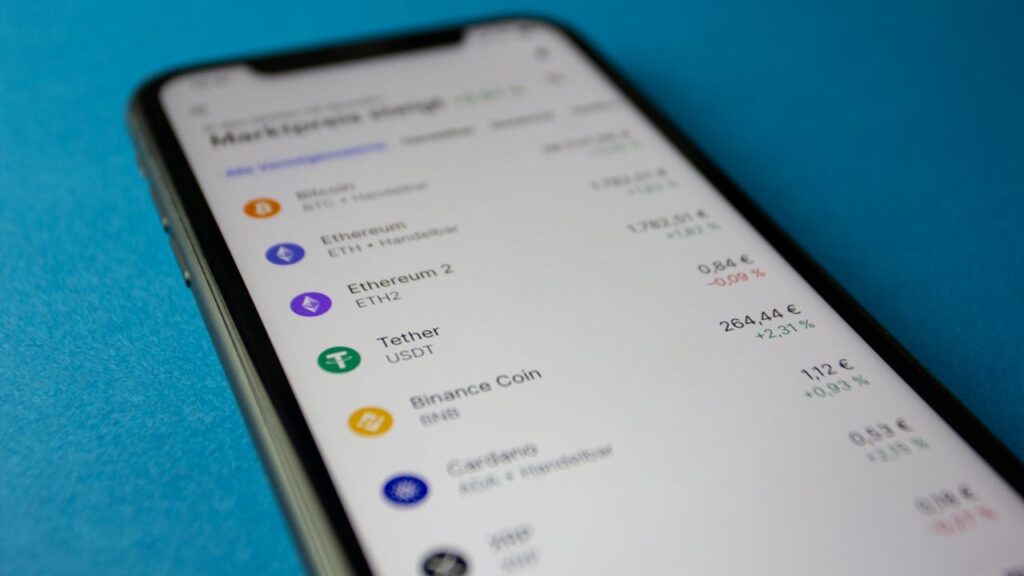
There is also a growing, if cautious, acceptance of technologies once viewed with suspicion.
Workshop participants reflected a “nuanced view” of cryptocurrency, recognizing its potential for cost-effective cross-border payments while acknowledging the risks of “illicit flows” and “speculative bubbles”.
A Shared Defense
Perhaps the most significant shift signaled by the report is a move toward a “shared defense” model.
With fraud and cybersecurity threats looming, the CBN is proposing a mandatory, near-real-time intelligence-sharing framework.
This would include a “single live repository for fraudulent accounts”—essentially a digital “black book” that all licensed financial institutions would use to lock out bad actors.
As Nigeria looks to 2026 and beyond, the report makes one thing clear: the era of the “wild west” in fintech is ending.
In its place, the CBN hopes to build a system where regulators and innovators work in “co-creation,” perhaps through a permanent Fintech Advisory Council to ensure that the next “Detty December” is defined by celebration, not system failures.
This article was edited with AI and reviewed by human editors