


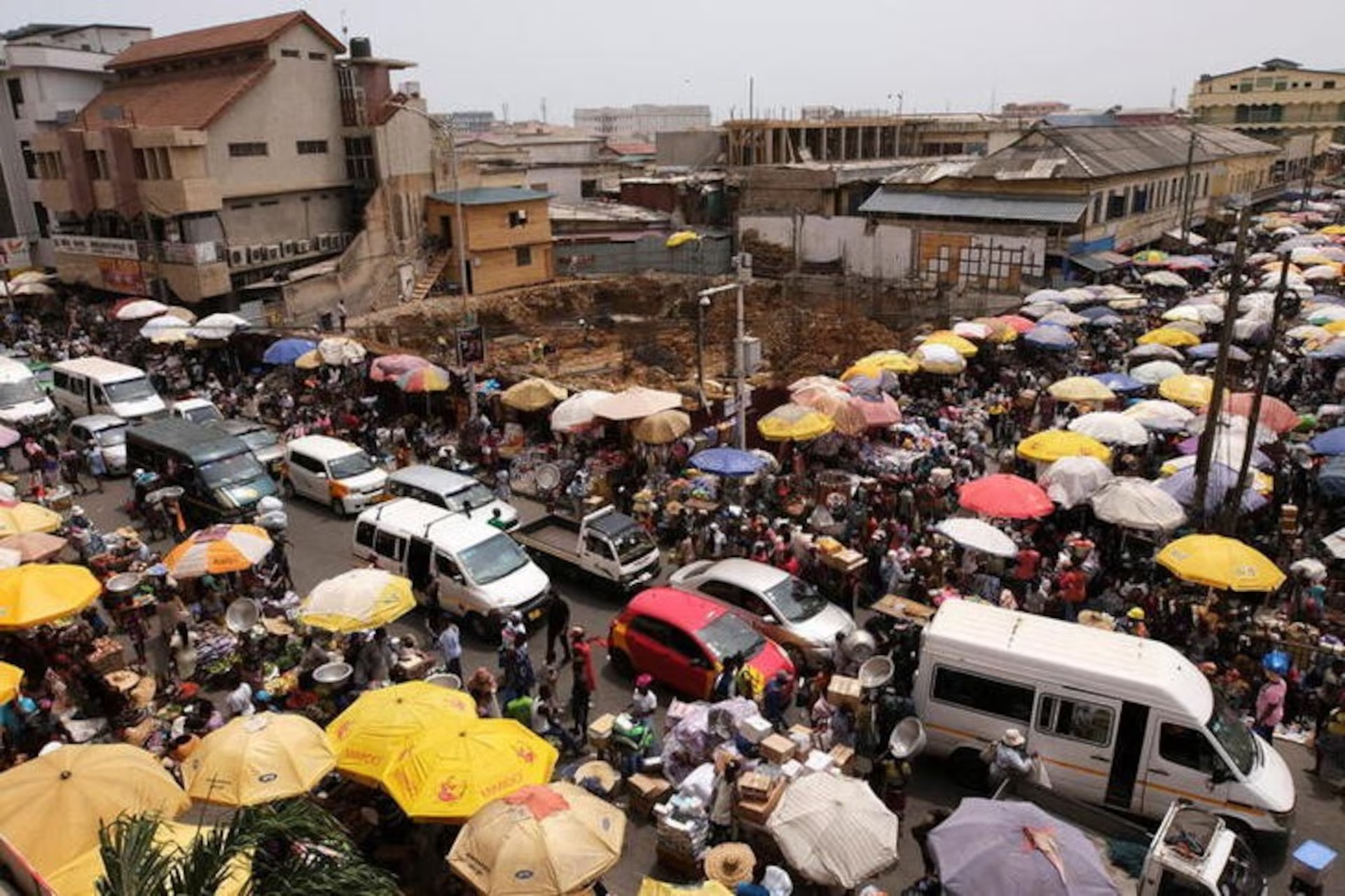
ACCRA, Ghana — Last week, Ghana’s Parliament passed the 24-Hour Economy Authority Bill. This legislative milestone creates the legal and administrative machinery for a policy that has been the centerpiece of President John Dramani Mahama’s economic agenda.
The bill establishes a centralized authority to oversee the transition of the country toward a three-shift, round-the-clock production cycle.
The move is an ambitious attempt to rewire the DNA of an economy long hampered by high youth unemployment and a heavy reliance on imports.
“What you call an Authority is a Secretariat, which is already in existence in the Office of the President,” Mahama Ayariga, the Majority Leader, argued in Parliament.
“But the reason why we want to invest it with an authority status is that this is a Secretariat that is going to work with Ministers and sector ministries.“
What The Bill Means
The Bill outlines a systemic approach to economic transformation centered on three key pillars:
- Production Transformation: Focused on increasing the volume and diversity of domestic goods by “indigenizing” entire production processes, particularly in sectors critical for food security and import reduction.
- Supply Chain and Market Integration: Addressing infrastructure constraints that currently inflate the cost of local goods by up to 60%—significantly higher than the 15% global average. This pillar seeks to align national systems like energy, banking, and ICT with productive goals.
- Labour Power Development: Aiming to bridge the digital skills gap and foster a more disciplined, 24-hour work culture through national mobilization.
The proposed 24-Hour Economy Authority is designed as a body corporate governed by a seven-member Board, which must include at least two women.
Unlike traditional state agencies, the programme is intended to be led by the “entrepreneurial efforts” of private citizens, cooperatives, and industry associations rather than public servants.
Furthermore, the Bill introduces a unique financing model. While it allows for funds approved by Parliament, the initiative is designed to be largely sustained by private institutions, including development banks, pension funds, and private foundations.
The Authority will be responsible for proposing a new regime of fiscal and monetary incentives for companies participating in the 24-hour value chain.
The administration estimates the policy could create as many as 1.7 million jobs by 2029, targeting sectors ranging from agro-processing and pharmaceuticals to manufacturing and construction.
Political Pushback
Despite its passage, the bill was met with sharp resistance from the opposition Minority caucus.
Opponents, led by figures like Kojo Oppong Nkrumah, a prominent member of the New Patriotic Party (NPP), dismissed the new Authority as a “duplication of functions.”
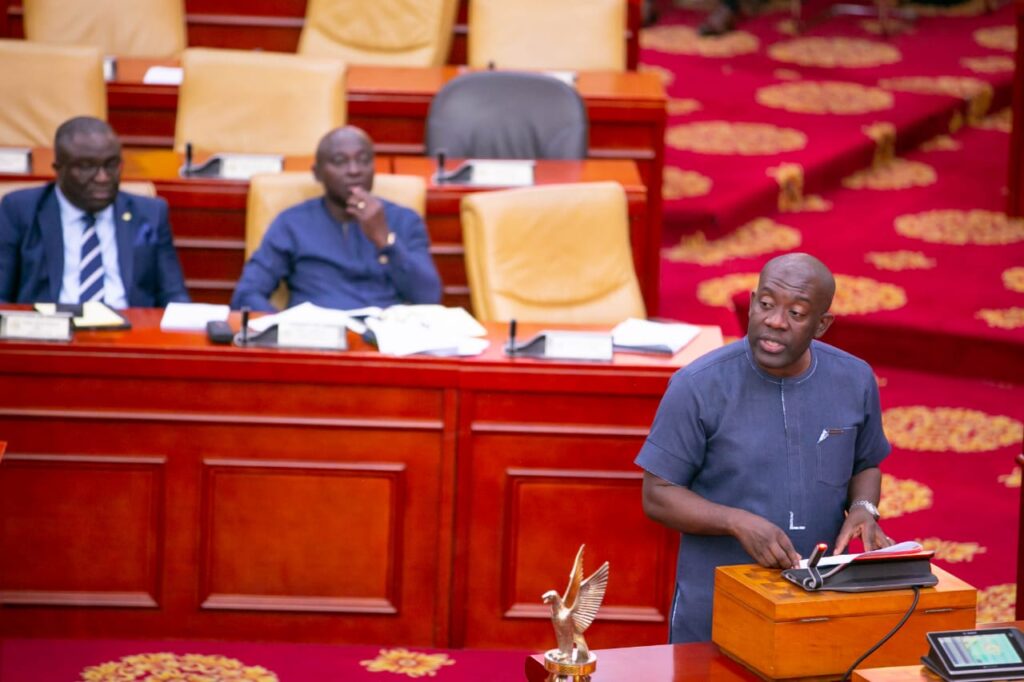
They argued that existing bodies, such as the Ministry of Trade and Industry, are already equipped to handle economic expansion and that the new legislation adds an unnecessary layer of bureaucracy.
“Mr Speaker, six of the biggest cities that operate 24-hour economies, namely New York, Tokyo, London, Bangkok, Dubai, and Berlin, none of them started off with a 24-hour economy Authority,” Mr. Nkrumah argued in Parliament.
“What this law does is that it sets up a bureaucracy, an Authority with a Chief Executive, an internal auditor, among others, but does not deliver a 24-hour economy in any way,” he added.
Campaign Promise Fulfilled
The concept of a 24-hour economy was first popularized by then-candidate John Mahama during his 2024 election campaign.
Since returning to office, President Mahama has moved quickly to institutionalize the vision. The policy, officially launched in July 2025 under the banner “24H+,” seeks to link the country’s industrial hubs through a “central transport corridor.”
It aims to turn Ghana into a manufacturing powerhouse for the West African sub-region, reducing the flow of foreign currency out of the country by producing locally what is currently imported.
As the bill awaits the President’s signature, the critics and policy observers will be paying close attention.
If successful, it could provide a blueprint for other developing nations looking to squeeze every possible ounce of productivity out of their growing cities. If it falters, it may be remembered as a costly experiment in legislative ambition.
This article was edited with AI and reviewed by human editors



Follow