


ACCRA, Ghana — For years, the story of banking in Ghana was one of digital novelty. Success was measured by how many customers could be persuaded to swap a teller’s window for a smartphone screen.
But according to the 2025 KPMG West Africa Banking Industry Customer Experience (CX) Survey, that era of “basic digital” is over.
In its place is a more demanding, sophisticated landscape where convenience is no longer a luxury—it is a baseline requirement.
In a year defined by economic recalibration, the report suggests that Ghana’s banks are no longer just competing on technology, but on something much more human: empathy.
The Rise of the “High-Touch” Digital Bank
While Nigeria’s banking sector has been defined by rapid-fire transaction volume, Ghana has carved out a distinct identity.
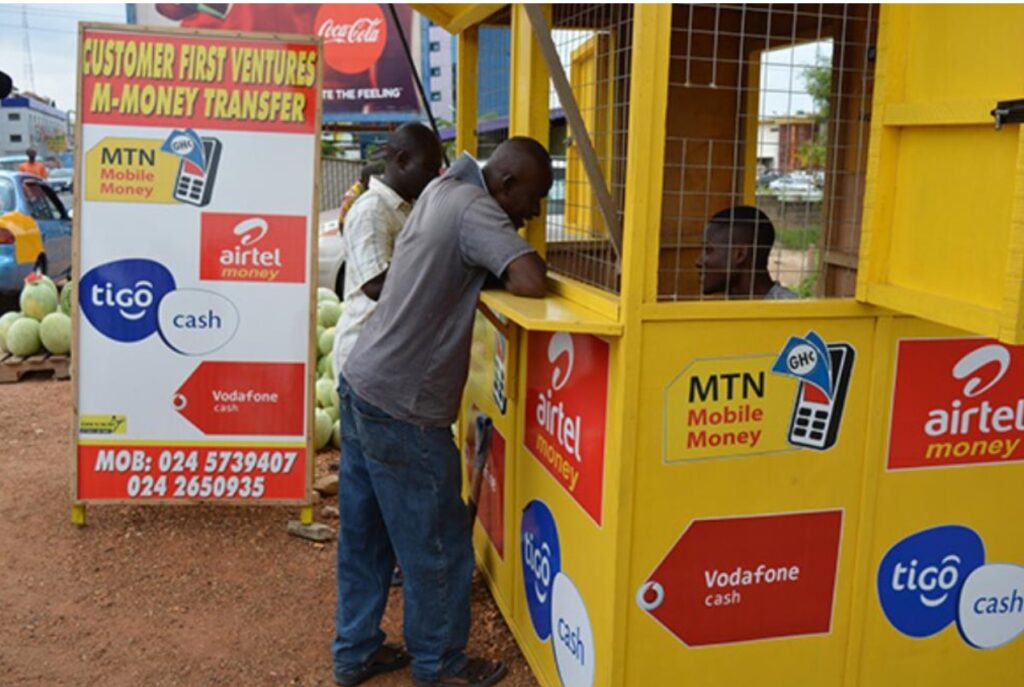
The report highlights a “deeply embedded mobile-first culture,” with 69% of Ghanaians now using mobile banking weekly. For the first time in three years, the reliance on ATMs has seen a marked decline.
Yet, despite this digital surge, the highest-rated metric for Ghanaian customers this year was “Empathy.”
“In a post-reform environment, Ghanaian customers aren’t just looking for an app that works; they are looking for a bank that understands their struggle,” the report suggests.
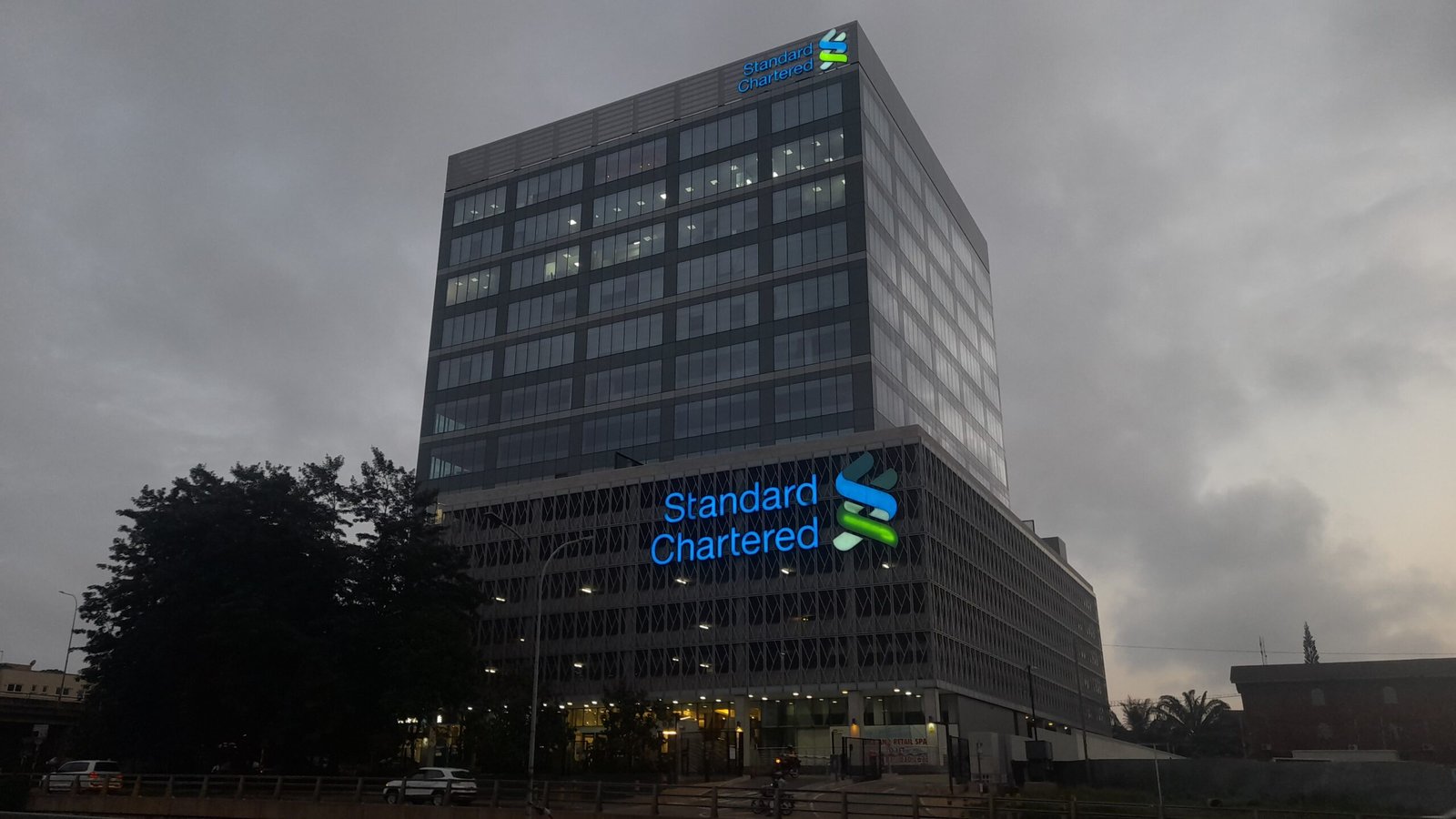
This shift has seen traditional heavyweights like Standard Chartered and Stanbic Bank maintain their lead by blending high-tech security with a focus on “orchestrated experiences”—personalized service that feels proactive rather than reactive.

The Retail and SME Shuffle
The rankings reveal a fiercely competitive market.
In the Retail segment, Standard Chartered claimed the top spot with a score of 82.9, narrowly edging out Zenith Bank (82.2) and Stanbic Bank (81.8). The margin for error has become razor-thin; a single glitch in a mobile-to-wallet transfer can now be the difference between customer loyalty and churn.
The real surprise, however, came from the SME (Small and Medium Enterprise) sector.
Historically, the “neglected middle child” of banking, SMEs emerged as the highest-rated segment in Ghana for the first time, overtaking Corporate banking. Access Bank took the lead here, praised for its agility in supporting small businesses.
However, a “personalization gap” persists.
While SMEs are happier with the service, only 32% feel their bank truly understands their specific business needs. The report characterizes this as the next great frontier: moving away from “one-size-fits-all” business loans toward bespoke financial coaching.
The “Credit Gap” Problem
Despite the overall rise in satisfaction, a glaring hole remains in the Ghanaian financial story: credit.
While the macroeconomic environment has stabilized, the report finds that a staggering 86% of respondents did not even bother to apply for a loan last year.
The barriers remain the same as they have been for a decade: prohibitively high interest rates, suffocating bureaucracy, and agonizingly slow turnaround times.
For many Ghanaians, the bank is a place to store and move money, but rarely a place to borrow it. Only 11 percent of those surveyed successfully accessed credit, a figure that remains a significant drag on the country’s broader entrepreneurial ambitions.
The Road Ahead: AI and E-Levy
The future of the sector looks increasingly automated. Banks are now pivoting toward Generative AI, not just for chatbots, but for sophisticated fraud detection and “internal efficiency” aimed at reducing the one thing Ghanaians still hate most: branch wait times.
Furthermore, the recent policy shift to remove the E-levy on mobile money is expected to act as a “digital accelerant,” pushing even more transactions into the palms of customers’ hands.
As the 2025 report concludes, the banks that win the next decade in Ghana won’t just be the ones with the best apps. They will be the ones that manage to make a digital transaction feel like a personal relationship. In the new Accra, the algorithm is essential—but empathy is the edge.
This article was edited with AI and reviewed by human editors



Follow