


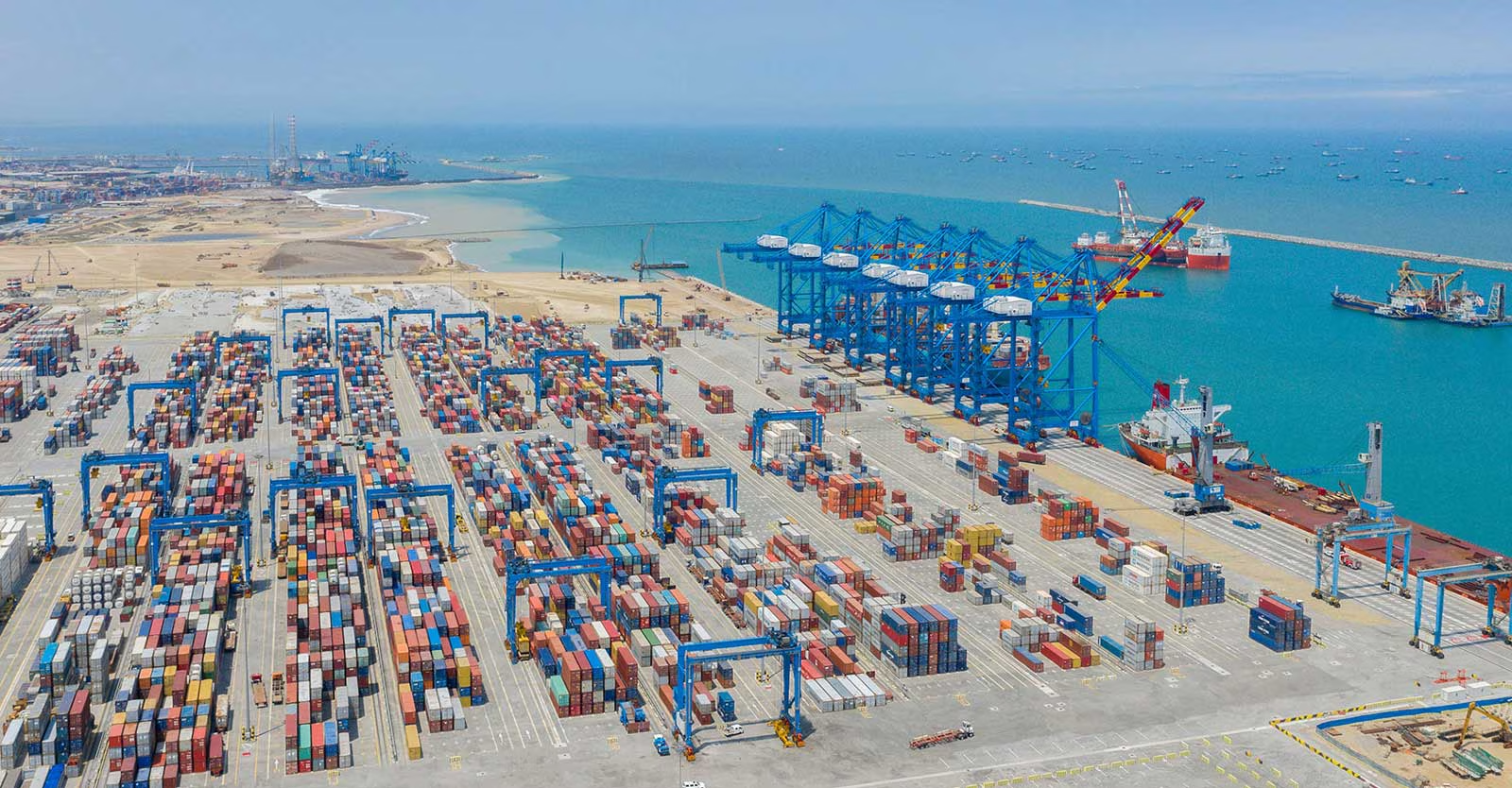
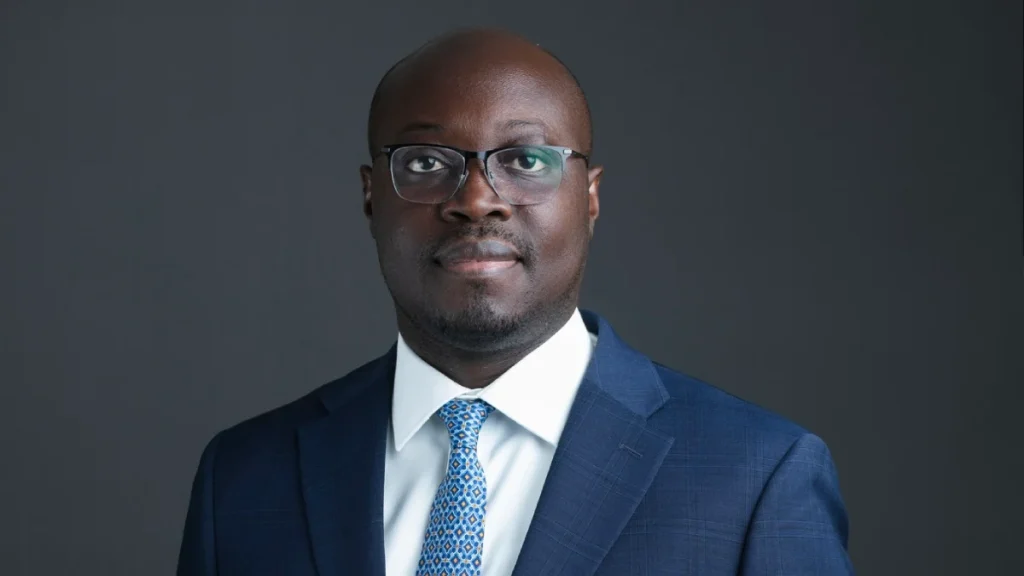
In a revelation made at the 2025 Budget reading, Ghana’s Minister of Finance, Ato Forson, stated that the government has uncovered a sprawling money-laundering operation in which importers siphoned off $31 billion over five years through fictitious trade deals.
The scheme, which funneled foreign cash out of the country without a single shipment of goods crossing the border, was laid bare on Thursday, 13th November, during the presentation of the 2026 budget in Parliament.
The Minister pledged swift retribution against the culprits — including major commercial banks accused of turning a blind eye.
How It Worked
According to the Minister, the fraud spanned from April 2020 to March 2025, exploiting Ghana’s Import Declaration Form system, a digital gateway meant to streamline trade.
Importers — a mix of Ghanaian businesspeople and foreign operators — filed bogus invoices totaling $81 billion in currencies ranging from Chinese yuan to British pounds and euros, claiming imports that never materialized.
Of that sum, $31 billion was unaccounted, transferred abroad without the payment of duties or taxes that could have bolstered Ghana’s public finances.
“It’s a betrayal not just of the state, but of every Ghanaian citizen,” said Dr. Cassiel Ato Forson, the finance minister. “We have done the work, we’ve now seen it, and we’ve handed it over to investigative agencies. Now we will go for the tax.”
The exposure comes at a moment for Ghana, which grappled with the aftershocks of a 2022 debt default and persistent inflation.
The cedi, the national currency, plummeted more than 50 percent against the dollar since 2020, partly due to illicit outflows that starved the central bank of hard currency reserves.
Officials estimate the scam contributed to billions in lost revenue, exacerbating budget shortfalls that forced painful austerity measures and international bailouts.
Digging Through The Data
Ghana Revenue Authority data, unearthed through the Integrated Customs Management System, painted a damning picture: Importers routinely misclassified high-value goods (electronics and machinery) as low-tariff items, underreporting values by as much as GH¢41 billion (about $2.6 billion).
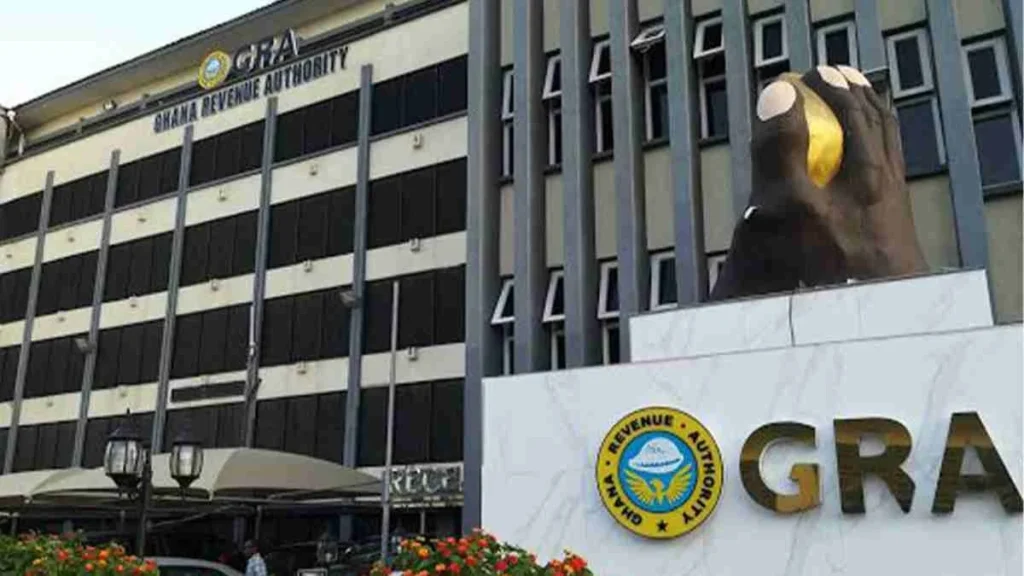
The previous administration, under then-President Nana Akufo-Addo, forfeited roughly GH¢11 billion ($700 million) in potential taxes as a result, according to ministry calculations.
Commercial banks have come under criticism.
Tasked with verifying transactions, some banks allegedly rubber-stamped fraudulent deals, allowing the money to flow unchecked.
In a pointed directive, Forson announced he had formally urged the Bank of Ghana to unleash regulatory sanctions on the implicated institutions.
“The banks are involved,” Forson declared. “I have written to the central bank for them to impose regulatory sanctions, and I want answers from the Bank of Ghana. If any bank has flouted any rule, I expect punishment. This cannot continue as a country.”
“It is also you, the Ghanaian citizen — all of us — we have a role to play to make this country a better place,” he continued. “You the importer, you the citizen of this country, you have a role to play.”
Lack of Oversight and Loopholes
The scandal underscores deeper fissures in Ghana’s trade regime, where weak oversight and digital loopholes have long tempted fraudsters.
Questions linger about how the scheme evaded detection for half a decade. Critics of the prior government point to lax enforcement, while defenders argue the pandemic’s chaos masked the irregularities.
Forson’s budget speech, laced with calls for national introspection, framed the fraud as a collective failing.
This article was edited with AI and reviewed by human editors



Follow