


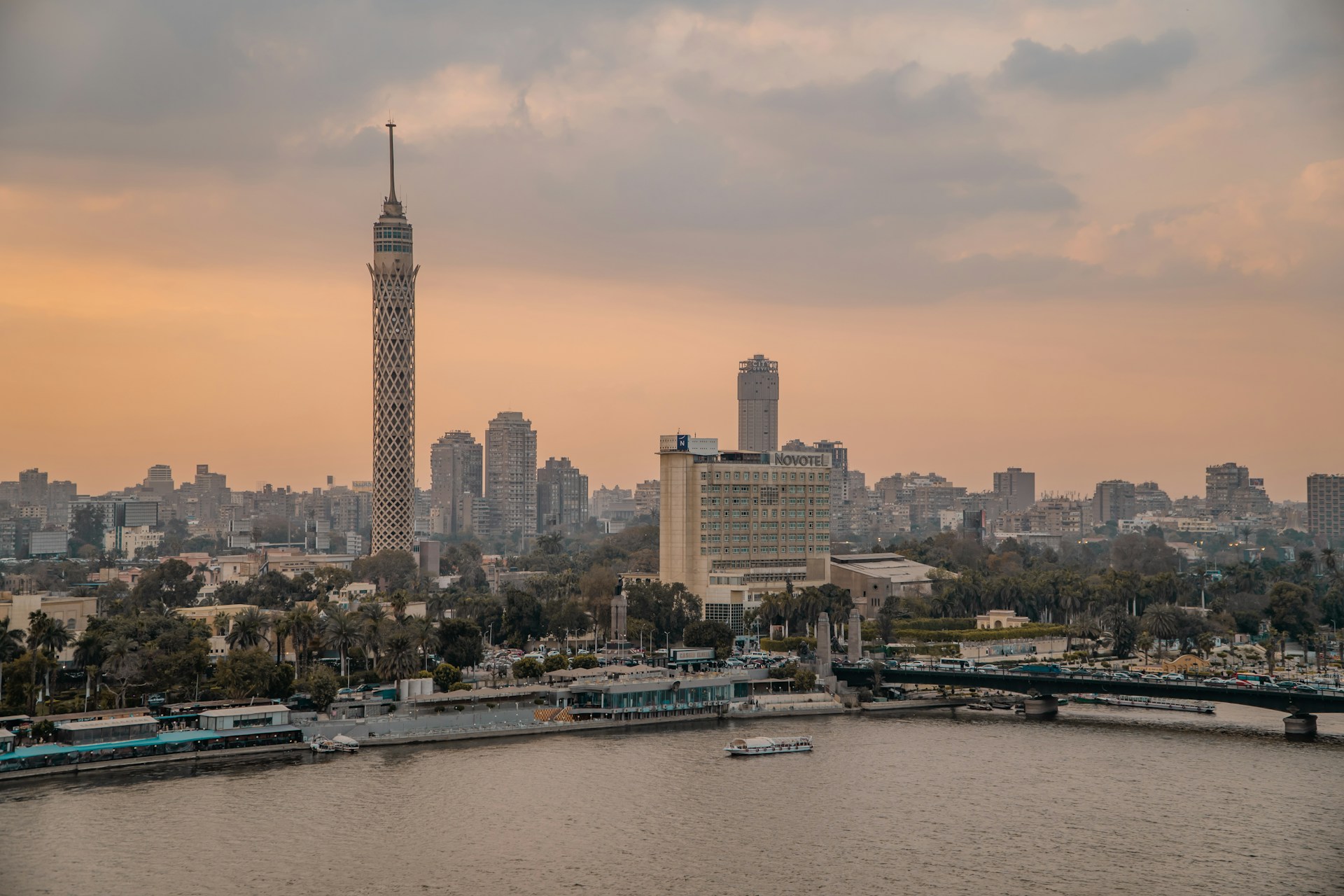
Cairo, the Egyptian capital, has ascended to the top spot in the second annual ranking of the 30 most attractive African cities, dethroning last year’s leader, Cape Town.
The ranking, compiled by the publication Jeune Afrique, offers a multi-dimensional view of African metropolises by combining resident sentiment with an objective assessment of economic pull.
Cairo’s ascent is largely fueled by its strong economic attractiveness and a significant influx of foreign direct investment (FDI), particularly from the Gulf and China.
Major urban development projects, such as the New Administrative Capital, are cited as striking symbols of the nation’s urban transformation strategies, propelling Cairo to first place despite persistent challenges like pollution, density, and mobility.
Kigali and Nairobi Complete the Podium
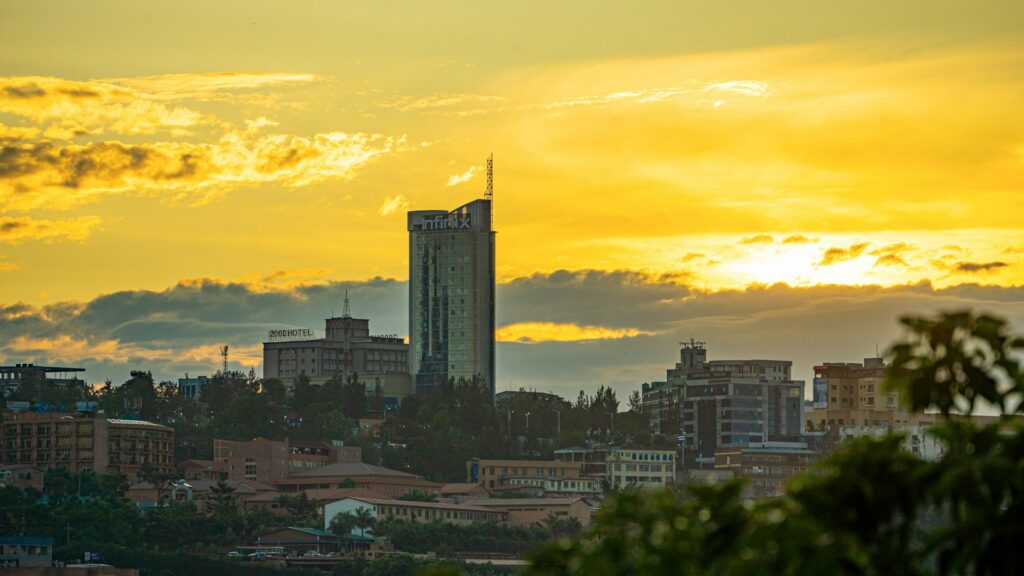
The Rwandan capital, Kigali, maintains its impressive second-place position, continuing to earn praise for its remarkable quality of life and effective municipal governance.
Kigali reinforces its status as a “model city” on the continent through its focus on safety, a clean urban environment, and an innovation strategy.
Nairobi, the Kenyan capital, recorded the most significant jump on the podium, moving into third place. The city’s rise is attributed to its ambition to position itself as a continental technology hub, ambitious infrastructure and mobility projects, and its strong appeal to investors.
Structural Trends Emerge
The 2025 ranking confirms several key trends reshaping the continent’s urban landscape:
Anglophone Resilience vs. Francophone Decline: The report highlights a “widening gap” between Francophone and Anglophone urban ecosystems. Several major Francophone West African cities, including Dakar and Abidjan, dropped in the ranking due to new cities entering the study or more critical assessments from their residents.
Conversely, many Anglophone cities confirmed their resilience, driven by strong domestic markets, dynamic infrastructure development strategies, and a greater ability to attract international investment.
The Rise of Secondary Cities: A structural trend confirmed in the analysis is the increasing attractiveness of so-called secondary cities. Cities like Alexandria and Mombasa demonstrate that metropolitan attractiveness is no longer confined to traditional economic or political capitals.
Factors such as the development of logistics corridors, demographic growth, and the emergence of new industrial zones are reshaping the map of urban power, with some of these cities potentially rivaling historic metropolises by 2050.
Established Urban Powerhouses: Morocco and South Africa remain strong urban players, each placing four cities in the top 30. Cape Town, despite losing the top spot, is still South Africa’s highest-ranked city thanks to its economic dynamism, quality of life, and infrastructure quality.
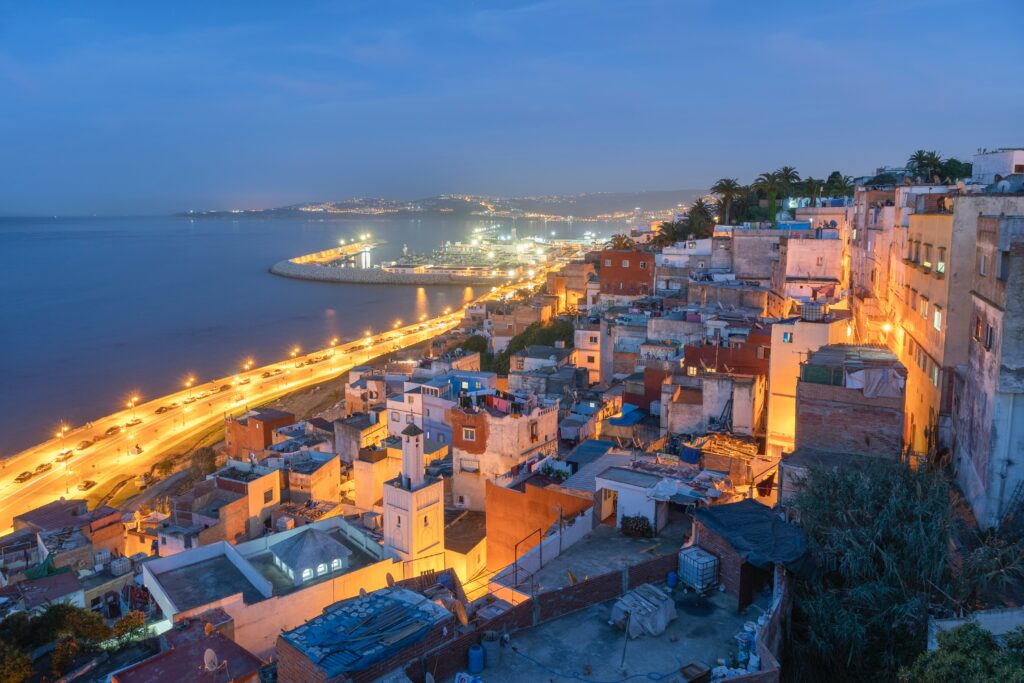
Notably, Morocco’s Tangier entered the top 10, buoyed by its globally recognized port-industrial complex.
The methodology for the 2025 edition was strengthened, utilizing an opinion survey conducted with Sagaci Research among 7,877 residents to evaluate factors like quality of life, economic dynamism, infrastructure, and access to essential services. This was complemented by an analysis of foreign direct investment between 2020 and 2023.
As Julien Wagner, the journalist in charge of the ranking, explained, the analysis comes at a critical time for Africa, which is experiencing “unprecedented urbanization“.
The continent’s city dwellers are projected to double to nearly $1.4$ billion by 2050, placing urban management at the heart of the continent’s development challenges, necessitating new financing models and stronger governance.
This article was edited with AI and reviewed by human editors



Follow