


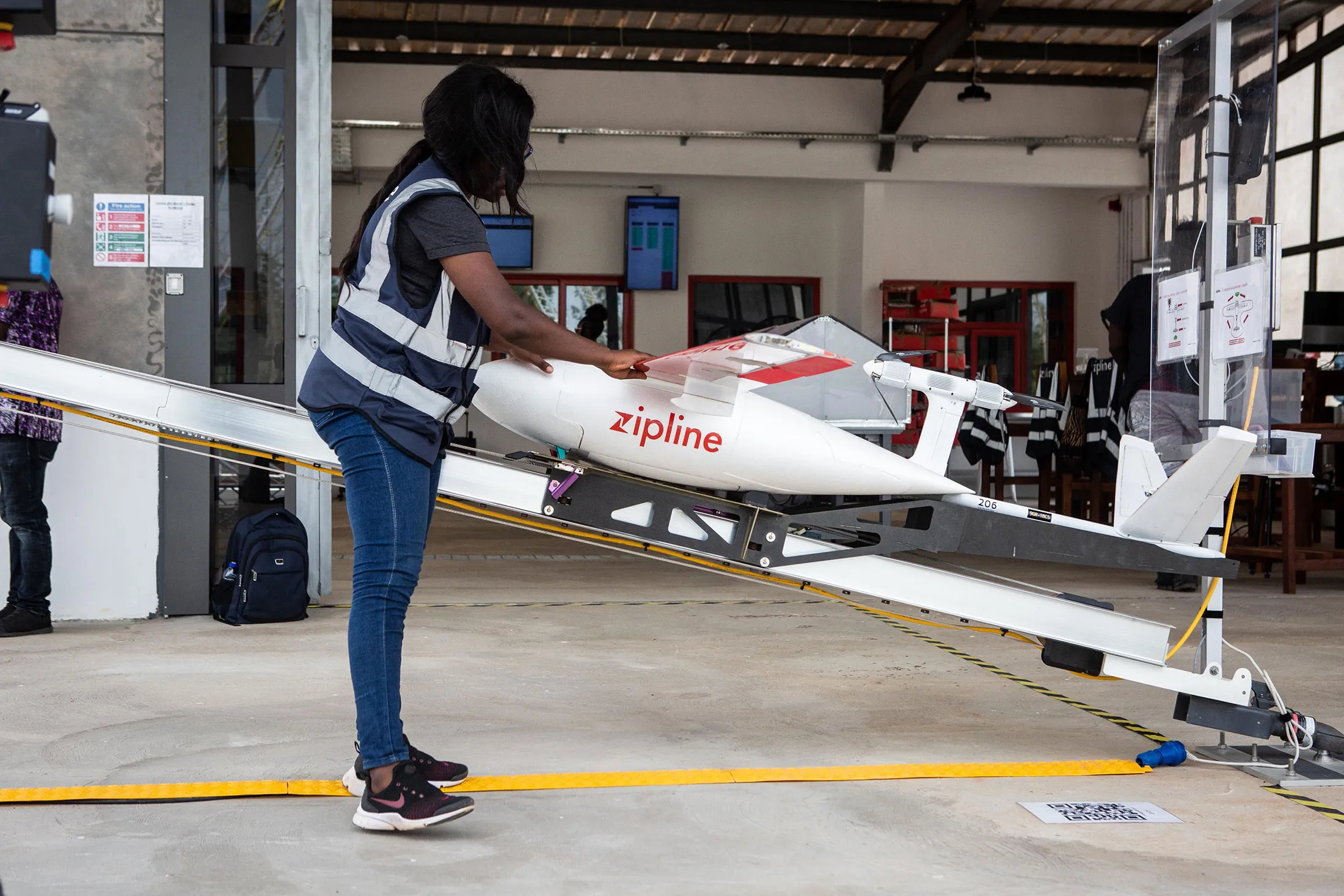
In April 2018, the Government of Ghana contracted Zipline, a US company noted for the delivery of medical supplies via drones, to help convey essential medical supplies, particularly blood, to remote areas.
The initial four-year contract was valued at approximately $12.5 million and was approved by Parliament in December 2018 through a sole-sourcing process.
The contract was later expanded to include a total of eight distribution centers, with six currently operational, serving over 2,300 health facilities across 13 regions.
But the contract has come under scrutiny from the newly elected Mahama administration.
Recent disclosures by the Health Minister, Kwabena Mintah Akandoh, have revealed that the terms of the sole-sourced 2018 contract—once defended by officials as a minimal-risk service—are far more financially rigid and its utilization far broader than initially promised.
The $88,000 ‘Take-or-Pay’ Controversy
The core of the controversy lies in the “Take-or-Pay” clause embedded within the initial agreement with Zipline.
Instead of paying per life saved or per essential blood unit delivered, the Ghanaian government is obligated to pay a fixed fee of $88,000 for each of the six operational Zipline distribution centers every month.
With six centers currently running, this amounts to a mandatory recurring cost exceeding $500,000 monthly (or over $6 million annually), a sum the government is bound to pay even if the drones sit idle.
This fixed commitment has led to an enormous debt, with the government reportedly owing Zipline approximately GH¢175 million (about $15.4 million).
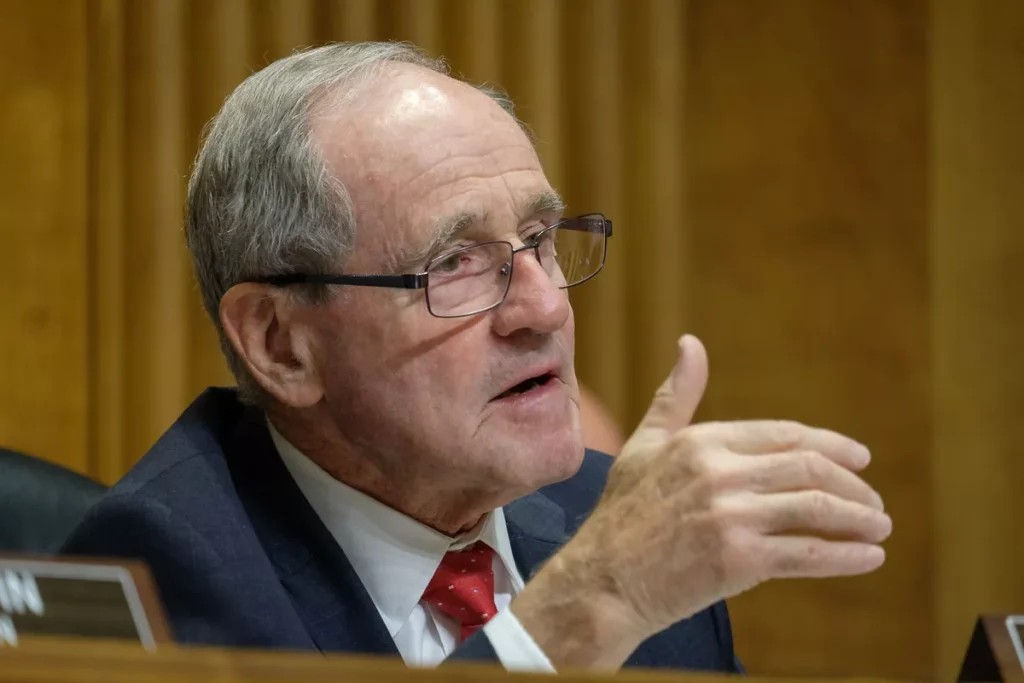
A US Senator, James E. Risch, a senior member of the Senate Foreign Relations Committee, flagged this issue and warned that it could affect future relations.
Recently, Zipline announced that it was suspending services at three distribution centers.
According to the Minister of Health, the current financial burden directly contradicts previous assurances made by officials at the time of the contract’s approval.
IMANI Ghana, a local think tank, had earlier criticised the agreement with Zipline, stating it may not improve anything about Ghana’s health system in its current form.
“The Ghana Health Service – Fly Zipline Ghana drone health supplies delivery programme is novel, but the current strategy will end up improving nothing about our health system if care is not taken,” they stated in a report.
The Flight Plan: Vaccines or Textbooks?
The new government has flagged some issues relating to the services that Zipline provides.
The drone service was pitched primarily as a mechanism for delivering emergency blood products, vaccines, and antivenoms to hard-to-reach areas. But a ministerial review indicated that Zipline’s service has focused on other areas.
The review noted the following:
- Only 16% of Zipline’s flights accounted for emergency services and deliveries to genuinely hard-to-reach communities.
- A full 84% of the flights were used to transport a range of non-core items, including syringes, mosquito nets, condoms, blood donor cards, and even educational materials like textbooks and school uniforms.
“These findings raise critical questions about whether the scale of payments under this contract reflects the true needs of our health system,” the Minister of Health stated, stressing the need to ensure value for money in public spending.
Response from Zipline
The Country Manager of Zipline Ghana, Daniel Kwaku Merki, in a recent interview, pushed back against claims that the company’s drone delivery service is being misused to transport non-essential items.
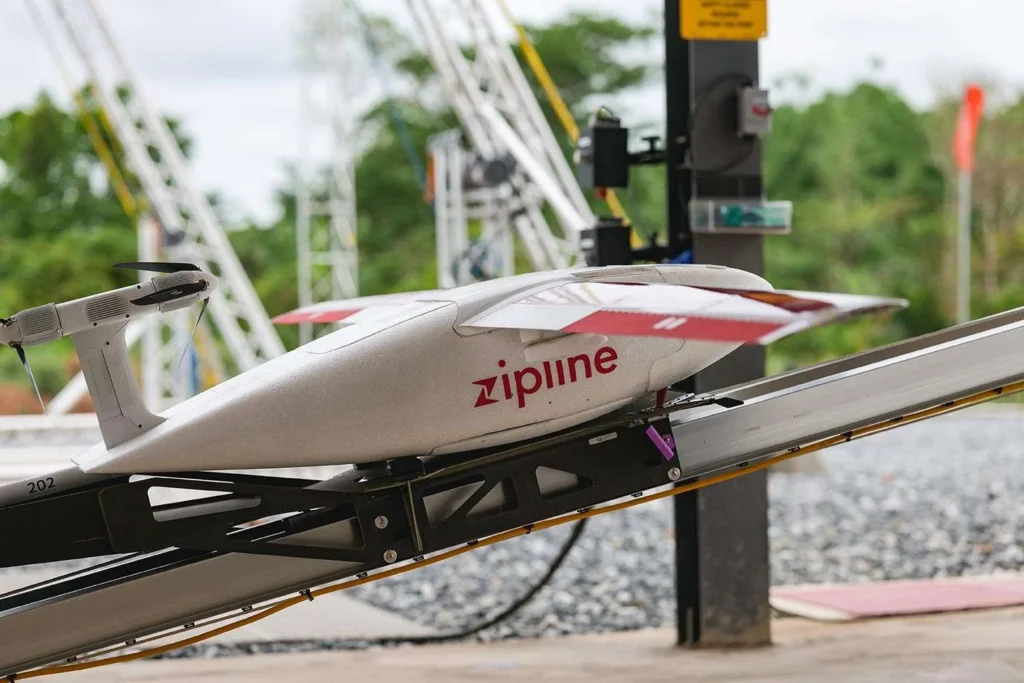
He stated that only one in 20,000 flights involves items stated by the ministry. He added that those requests originate from agencies under the Ministry of Health, not from Zipline itself.
“Supply continuously comes from the agencies under the Ministry of Health. Even if you want to go deep on this line of questioning, I don’t think I’m the best person to answer because we work with the Ministry and its agencies to ensure we make the most critical deliveries,” he explained.
Grant From US Government
In other developments, the U.S. State Department recently announced a landmark grant of up to $150 million to support Zipline.
Announced on November 25, the initiative grant operates on a strict performance-based model.
No U.S. funds will be released to Zipline until the company secures binding multi-year service contracts with African governments.
The new funding structure places more emphasis on African governments, who are expected to finance 73 % to 80 % of the total program cost — estimated at up to $400 million over three years — from their own budgets.
Political Fallout and the Call for Review
In Ghana, members of parliament called for a review of the Zipline program.
The Majority Leader in Parliament, Mahama Ayariga, has called for the outright cancellation of the contract.
At the moment, the government is reviewing the contract. A member of the ruling party’s communication team, Hamza Suhuyini, stated in an interview that there are ongoing reviews aimed at ensuring value for money and strengthening the service.



Follow