


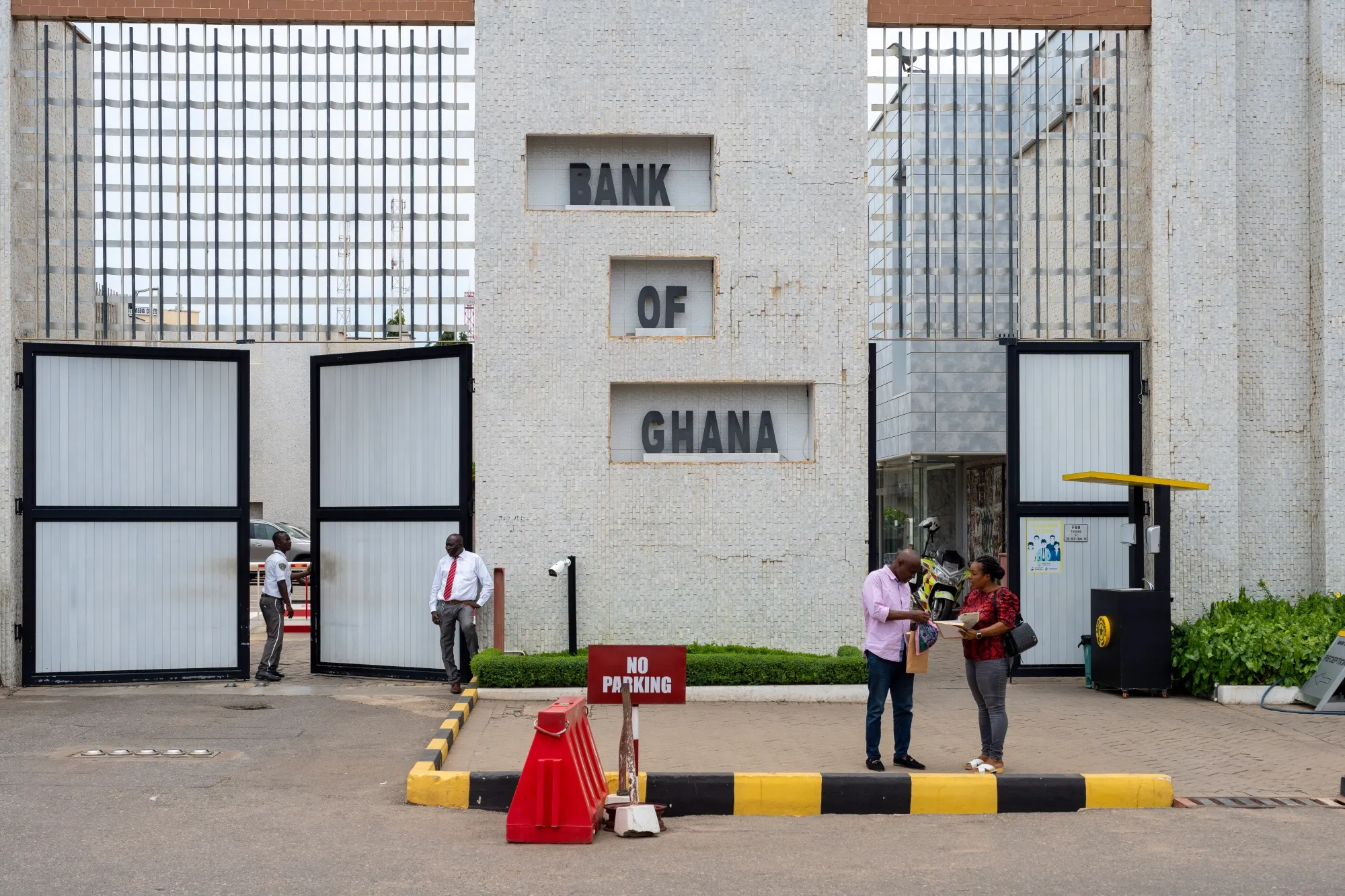
On December 2, 2022, a secret meeting was convened at the Bank of Ghana. The invitees—a select group of local fund managers and finance officials—were summoned with little context.
Upon arrival, their phones were confiscated at the door to prevent leaks.
Inside the room, the atmosphere was thick with tension. Outside, the rest of the country was glued to television screens as Ghana played Uruguay in a decisive World Cup match.
According to Benjamin Hornsby-Odoi, a former insider at the Ministry of Finance who was present that day, the mood inside the central bank shifted from anxiety to despair as two simultaneous disasters unfolded.
On the screens, Uruguay scored two quick goals, effectively knocking Ghana out of the tournament.
At the podium, the Finance Minister and Central Bank Governors were delivering news that would land a heavy blow to the country’s financial elite: the government was broke, and a painful debt restructuring was imminent.
“I could see the faces drop in the room,” Hornsby-Odoi wrote in a Substack.
“Here we are, talking to the bloc of people who traditionally vote for our government—the business elites—and we’re admitting their investments are about to take a hit.”
This scene was the culmination of a tumultuous year that saw Ghana transform from an African economic darling to a nation on the brink of collapse.
The “Black Widow” and the Denial
The road to the Bank of Ghana began almost a year earlier, in January 2022, with a video call that would haunt the Ministry of Finance.
Government officials gathered to speak with Lucie Villa, an analyst at Moody’s. Within the civil service, Villa had earned the grim nickname “the Black Widow,” based on a superstitious belief among staff that any country she reviewed was destined for a credit downgrade.
On the call, Villa delivered a forecast that the Ghanaian team found “offensive”: the country was on a downward spiral and would end the year with a debt-to-GDP ratio exceeding 90%.
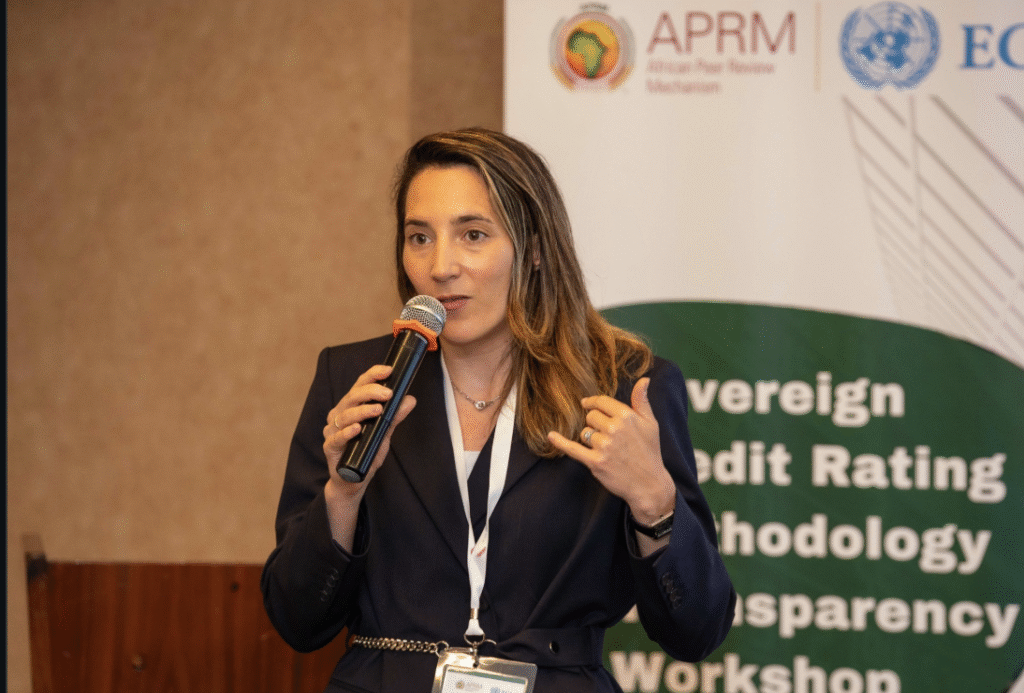
“It sounded crazy,” Hornsby-Odoi noted. “The Minister echoed the same sentiment… asking her on the call what her assumptions were and how she could possibly think we’d get that bad.”
The government’s response was defiance. Believing the model was flawed, the Ministry launched a public relations counter-offensive, issuing press releases and appealing the credit rating decision. They were convinced they could “fix” the narrative.
But the markets did not agree. By July 2022, the “Black Widow’s” prediction had proved prescient. Ghana had overspent significantly during the COVID-19 pandemic, dollar reserves were hemorrhaging, and the cedi had depreciated by nearly 50% against the dollar.
Denial was no longer an option. The government had to turn to the International Monetary Fund (IMF).
The “Sovereign Ask”
By mid-2022, the objective shifted from damage control to survival. The goal was daunting: to reduce the debt-to-GDP ratio from nearly 90% to 55% by 2028.
To achieve this, the government engaged international heavyweights, including French firms Lazard and Global Sovereign Advisory, and legal experts like Lee C. Buchheit, a veteran of the Greek and Ecuadorian debt crises.
The process, described by insiders as a “brutal” four-step operations, involved analyzing the debt, preparing a “Sovereign Ask” (the specific relief required), and negotiating with creditors to accept “haircuts”—a reduction in the principal owed—or extended maturity dates.
“We realized early that we had to exclude Treasury bills or the country would collapse,” Hornsby-Odoi explained. But almost everything else was on the table.
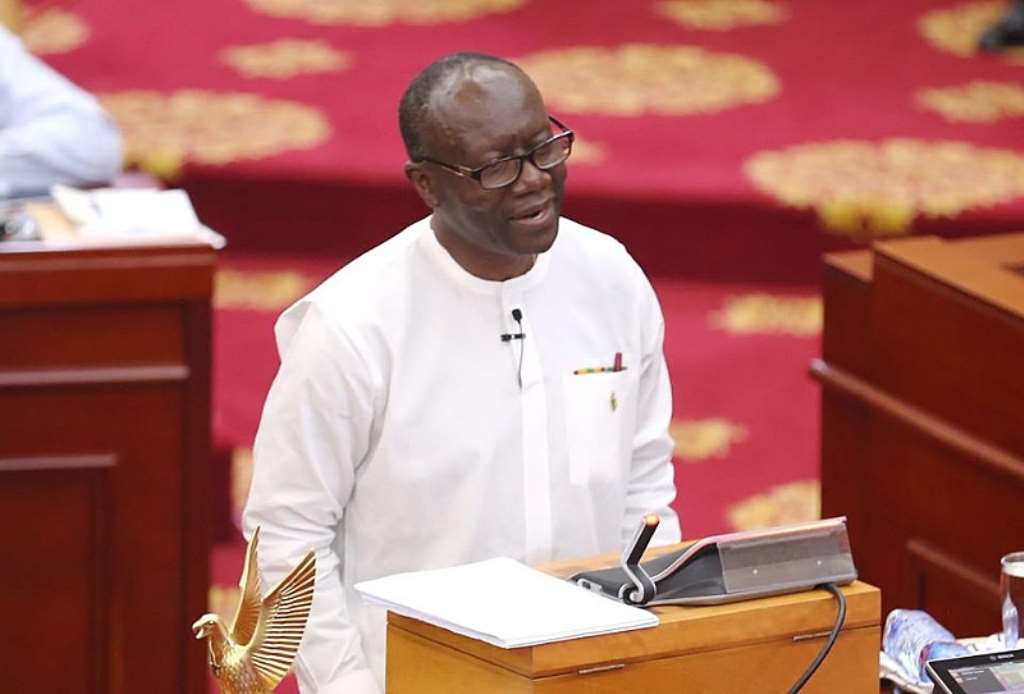
While the public was distracted by the festivities of the World Cup, civil servants were working around the clock, engaging in high-stakes poker with banks and fund managers, trying to find a number that would save the country’s books without destroying the creditors’ balance sheets.
The Suspension
The domestic debt exchange program was announced on December 5, just days after the tense meeting at the Bank of Ghana. But the final shoe dropped on December 19, 2022.
A day earlier, while the world watched Lionel Messi lift the World Cup trophy for Argentina, exhausted Ghanaian officials were drafting the press release that would announce the suspension of payments on the country’s external debt.
“I’m in a room with the usual suspects… and I’m really tired,” Hornsby-Odoi recounted of that Sunday in the office. “Restructurings are an ordeal to get through.”
The announcement on the 19th confirmed what many feared: Ghana was officially in default on its external obligations.
What followed were months of grueling diplomacy, flying to meet investors and development partners to explain the default and ask for patience.
The Aftermath
Three years later, the gamble appears to have paid off, though at a steep cost. By October 2025, the IMF’s Debt Sustainability Analysis indicated that Ghana had moved from “high risk” to “moderate risk” of debt distress—a major technical milestone.
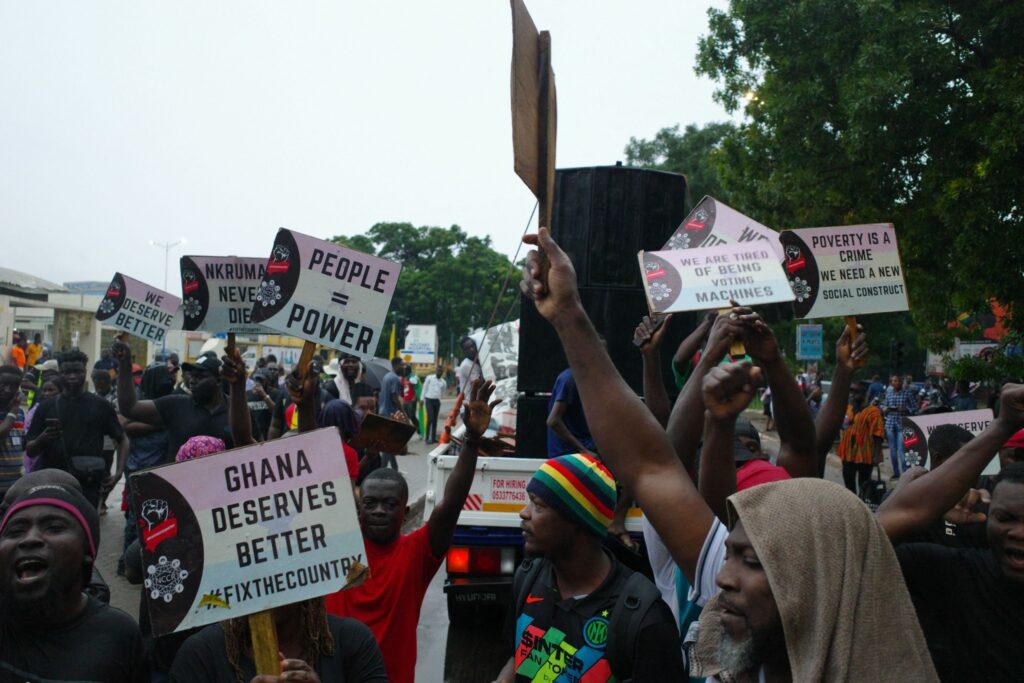
“It’s hard to take any form of credit for a process that hurt so many,” Hornsby-Odoi wrote. “I know the impact is still being felt today; it’s still painful for those whose investments were affected.”
The political toll was palpable.
On that day in December 2022, as Uruguay scored against the Black Stars and the government delivered bad news to its financiers, the feeling inside the room was that the administration had begun its slide into opposition.
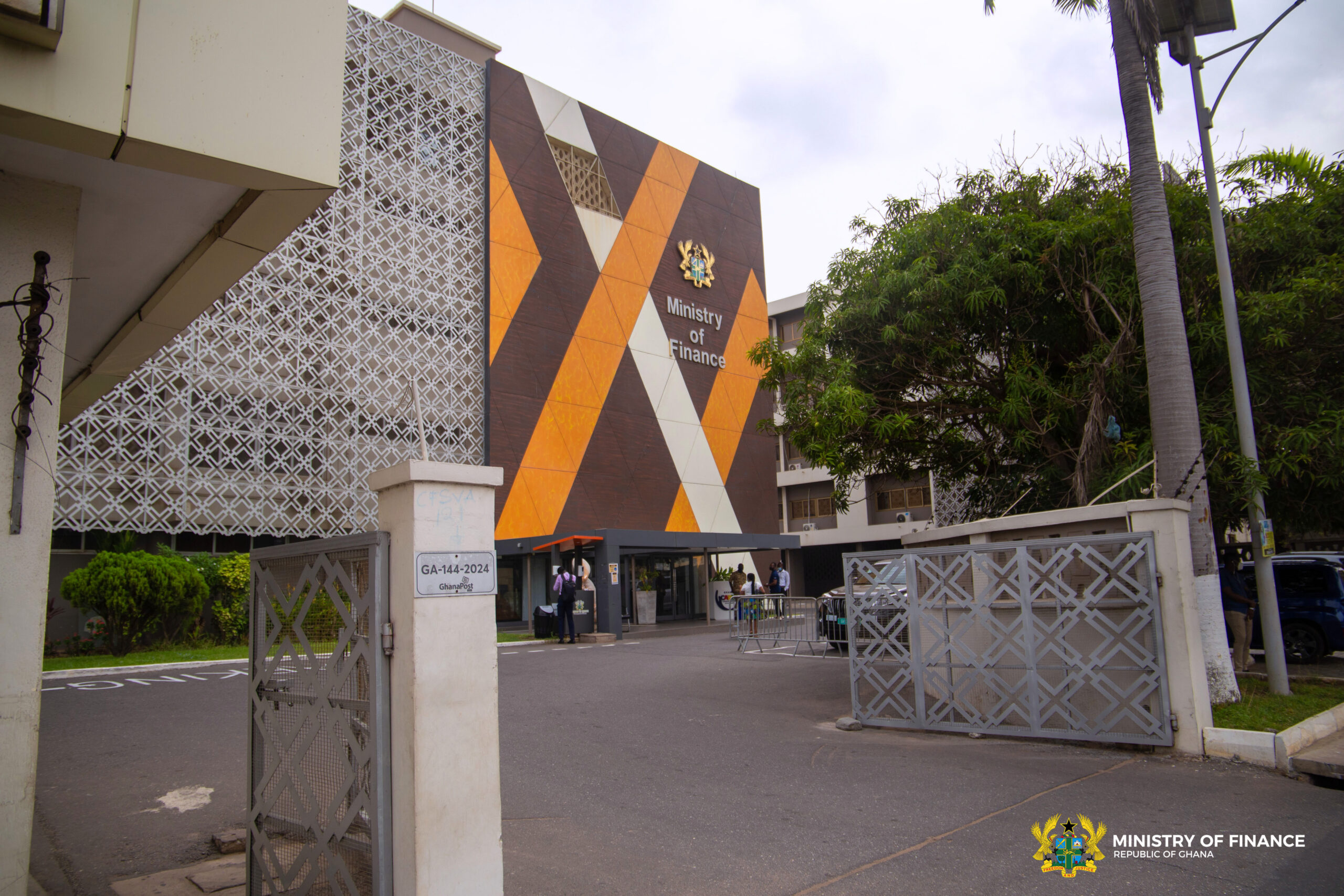
For the civil servants who navigated the crisis, the legacy is mixed. They managed to pull the economy back from the precipice, but the memory of the “haircuts,” the protests outside the Finance Ministry, and the frantic phone calls from pensioners remains vivid.
As other African nations, such as Senegal, currently grapple with similar debt pressures and resist restructuring to preserve national dignity, the Ghanaian experience serves as a stark warning: in the world of sovereign debt, denial eventually runs out of road.
This article was edited with AI and reviewed by human editors



Follow