


For decades, the flow of American health aid to Ghana followed a familiar, predictable rhythm: millions of dollars funneled through international NGOs and United States agencies to fight malaria, HIV, and maternal mortality.
But that era might be coming to an end.
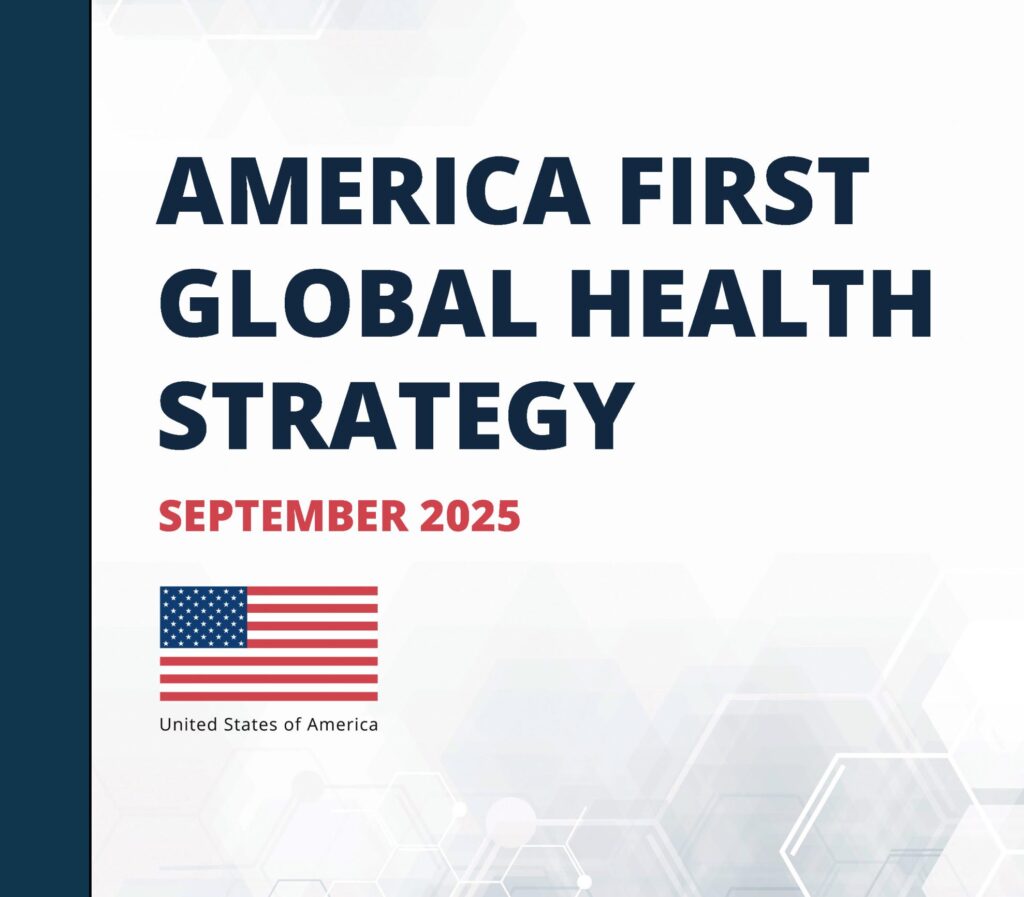
As part of the Trump administration’s sweeping “America First Global Health Strategy,” the United States has begun signing a series of high-stakes bilateral Memorandums of Understanding (MOUs) across Africa.
In Ghana, a new agreement is currently being worked on. It will have a fundamental shift from “aid to partnership”.
The strategy, which is likely to launch in 2026, moves away from traditional humanitarian grants. Instead, it enters into time-bound contracts directly with governments.
The message from Washington is clear: the United States will pay for the “frontline”—the pills, the bed nets, and the nurses—but only if the recipient nation begins picking up the tab for everything else, and eventually, for the whole system.
A New Deal for Accra
Under the terms of the new framework, the U.S. has committed to covering 100 percent of “frontline” health worker salaries and commodities for the next fiscal year.
However, this support is now tied to a strict schedule of “co-investment.”
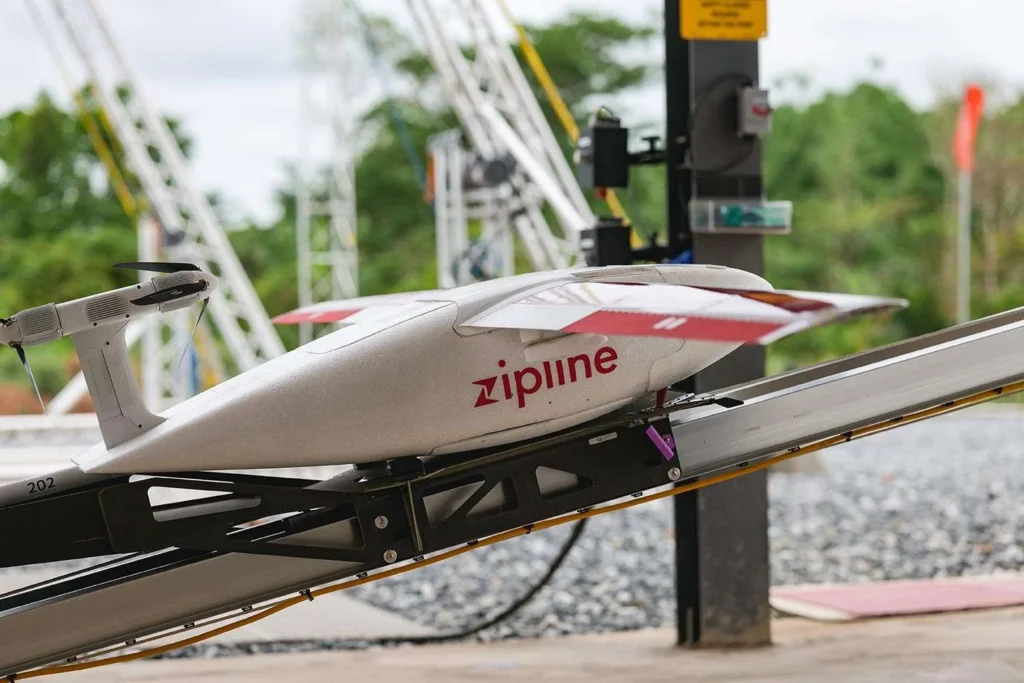
The “America First” approach also comes with a sharp edge. The strategy prioritizes U.S. commercial interests, including a new partnership with Zipline—the American drone company already active in Ghana.
It also mandates “pathogen sharing,” requiring countries to provide physical specimens and genetic data of new outbreaks to the U.S. within five days of detection, a clause some health experts call a “sovereignty tax.”
The “Non-Frontline” Cliff
The most immediate concern for local health clinics is the Trump administration’s decision to slash “non-frontline” spending.
In the eyes of the State Department, this includes technical assistance, program monitoring, and overhead—expenses they’ve labeled “inefficient.”
To a district doctor in Ghana’s Northern Region, however, that “overhead” is often the logistics chain that ensures vaccines don’t spoil in the heat, or the data systems that track malaria outbreaks before they become epidemics.
The Risk of the Exit
The stakes could not be higher. While the administration points to the 2030 goal of eliminating malaria in dozens of countries, the transition is happening at a moment when many African economies, including Ghana’s, are grappling with high debt and stagnant growth.
If Ghana cannot meet its co-investment targets, U.S. funding could be scaled back, leaving a “funding cliff” that might reverse decades of progress in maternal health and infectious disease control.
Controversies
The new strategy is already causing some controversy in some African countries.
A Kenyan court has suspended the implementation of the health aid deal signed over data privacy concerns.
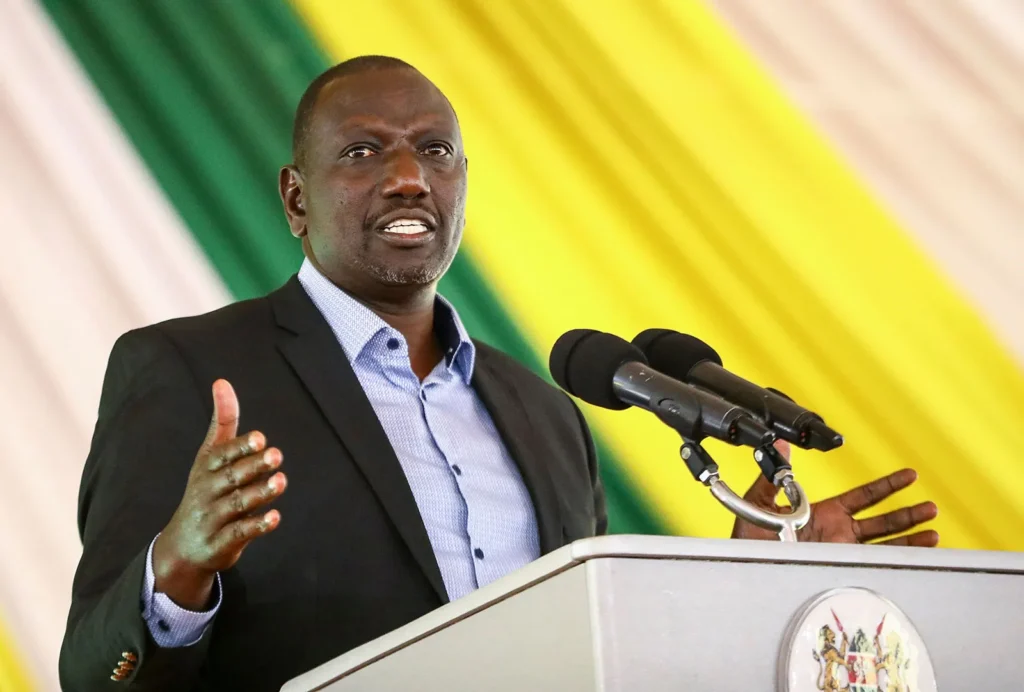
A case filed by a consumer rights lobby seeking to stop the alleged transfer and sharing of Kenyans’ personal data under the agreement.
At the moment, the ruling bars Kenyan authorities from taking any steps to put the deal into practice “insofar as it provides for or facilitates the transfer, sharing or dissemination of medical, epidemiological or sensitive personal health data”.
Other African countries that have already signed MOUs include Liberia, Nigeria, and Rwanda.
This article was edited with AI and reviewed by human editors



Follow