


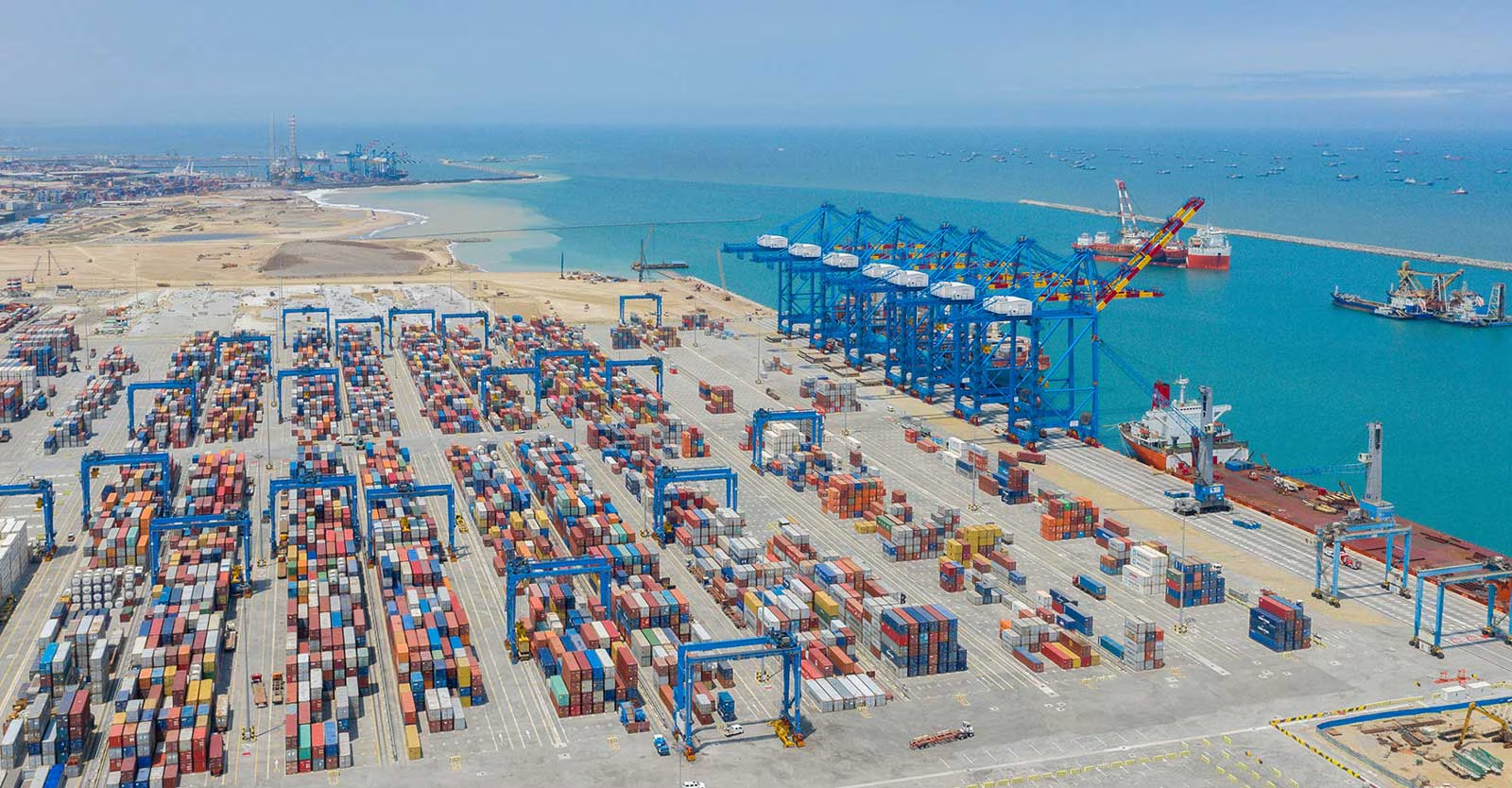
The approval by Ghana’s Parliament with a cyprus based firm called TRUEDARE to introduce a digital inspection system for tracking imported cargo containers is raising red flags with local advocacy groups.
Approved by Parliament in November 2025, the deal aims to modernize customs through artificial intelligence and digital container tracking.
But what the government frames as a “cost-free” leap into the future, some local trade groups describe as a high-stakes gamble with a ghost company.
The “No-Cost” Paradox
At the heart of the dispute is the government’s insistence that the TRUEDARE system will supplement the existing Integrated Customs Management System (ICUMS) at “no additional cost to the state.”
In the halls of Parliament, Finance Committee Chairman Isaac Adongo argued that the deal addresses critical blind spots in cargo movement.
“It has become necessary to introduce a republican digital arrangement to improve revenue generation,” Mr. Adongo told lawmakers, citing weaknesses in tracking pre-arrival shipments.

However, the Traders Advocacy Group Ghana (TAGG) has been quick to point out a fundamental rule of trade: there is no such thing as a free lunch.
“There is no Father Christmas in customs,” said David Kwadwo Amoateng, President of TAGG, in a public statement.
The group stated that there are not enough key details provided surrounding the financial structure, technical justification, and long-term implications of the new deal.
They also noted that ICUMS, implemented in 2020, already provides end-to-end customs data management, including risk assessment, post-clearance audit, and cargo tracking, explicitly to reduce costs and systemic leakages.
“If government now asserts material gaps exist in ICUMS requiring a new system, all technical analyses and justifications must be openly accessible, not shrouded in secrecy,” the group said.
A Company with No History
The most stinging criticism involves the profile of the contractor itself.
Research into Cyprus corporate registries revealed that TRUEDARE Investments Limited was incorporated on December 28, 2024—less than a year before it was handed a critical piece of Ghana’s national infrastructure.
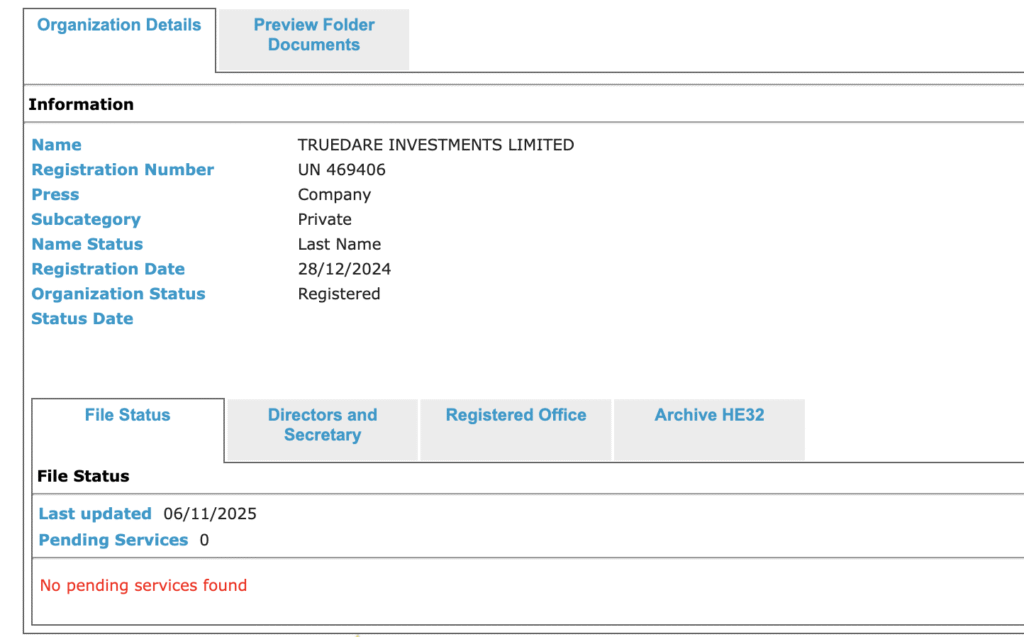
The company has no public record of managing large-scale AI or customs systems elsewhere.
It is also listed as a “general trade” entity, raising more red flags on its ability to implement an AI-based solution in cargo tracking.
Redundancy or Reform?
Since 2020, Ghana has relied on ICUMS, a “single window” platform that replaced a fragmented system of multiple vendors. ICUMS was sold to the public as a comprehensive, end-to-end solution.
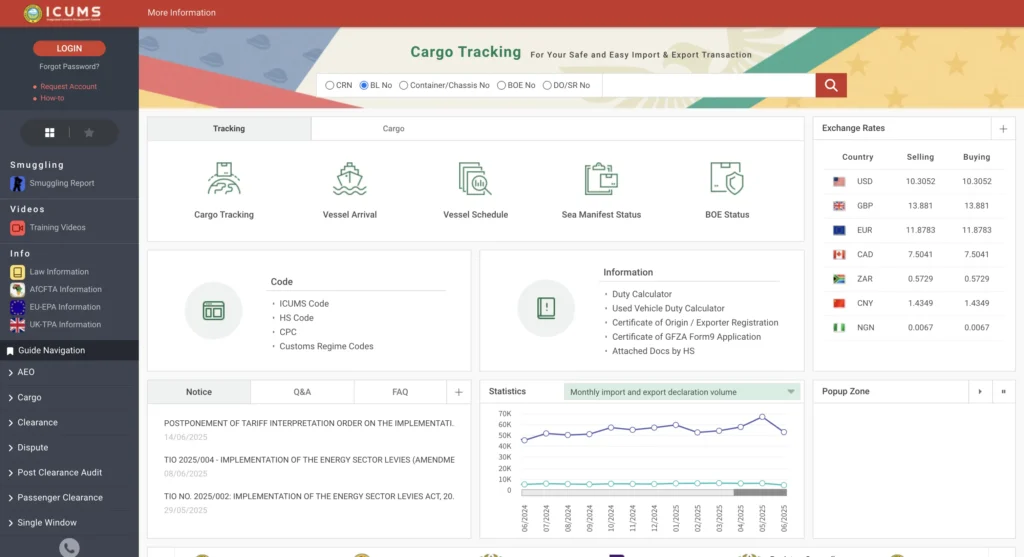
Critics argue that if ICUMS has “material gaps,” the government should fix the existing software rather than layering a parallel system on top of it.
Looking Ahead
The Importers and Exporters Association of Ghana has joined the chorus calling for a moratorium on the deal.
They are demanding a full disclosure of the contract and an independent audit to see if TRUEDARE actually offers value for money—or if it is merely a digital middleman.
As the implementation date of January 2026 approaches, pressure is on the government to be more transparent with the new deal.
This article was edited with AI and reviewed by human editors



Follow