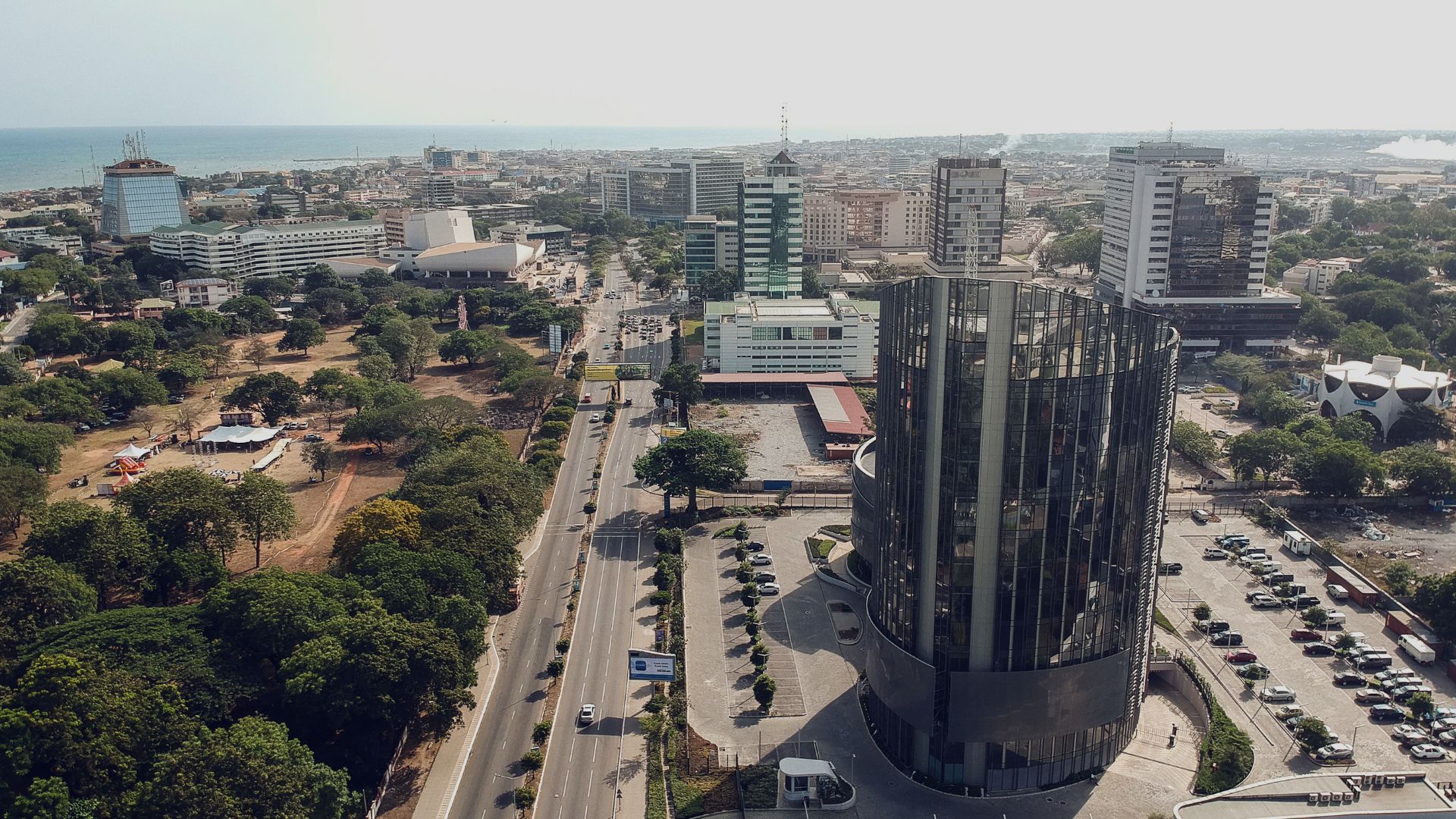
ACCRA, Ghana — From the bustling stalls of Madina to the coastal breeze of Sekondi-Takoradi, the skyline of Ghana is transforming.
But as the concrete rises, so does a silent, invisible threat: a blistering, localized heat that is turning West Africa’s urban success stories into “heat traps.”
In an article posted on The Conversation, Yaw Agyeman Boafo, a Senior Research Fellow at the Centre for Climate Change and Sustainability Studies at the University of Ghana, stated that this is the “urban heat island” effect.
It’s a phenomenon where dense construction materials like concrete and asphalt swallow solar radiation during the day and bleed it back into the air at night.
In a country where the mean temperature has already climbed by approximately 1°C since the 1960s, according to the Ghana Meteorological Agency, the rapid paving of the landscape is acting as a force multiplier for global warming.
A Tale of Two Climates
In a recent study of Accra’s microclimates—spanning the leafy remnants of Osu to the dense blocks of Dansoman—the data paints a stark picture.
Residents described afternoons as “unbearable” and nights that no longer offer the cool respite needed for the human body to recover.
The findings reveal three troubling patterns:
- The Concrete Trap: Areas with high-density buildings and minimal canopy recorded significantly higher thermal discomfort.
- The Inequality of Shade: Informal workers—the market traders, porters (kayayei), and transport operators who form the backbone of the economy—suffer most, enduring 12-hour shifts with almost no protection from the sun.
- A Failure of Governance: Residents are beginning to view heat not as a natural disaster, but as a policy failure. They point to development permits that ignore green buffers and the systematic filling of wetlands for “reclamation” projects.
“Urban planning systems are acting as if trees are ornamental,” wrote Mr. Boafa in his post. “They are not. In low-income neighborhoods without air conditioning, trees are life-saving infrastructure.“
The Cost of Losing the Canopy
As Ghana’s urban population climbs past 56%, the drive for “plot maximization” is winning the war against the environment.
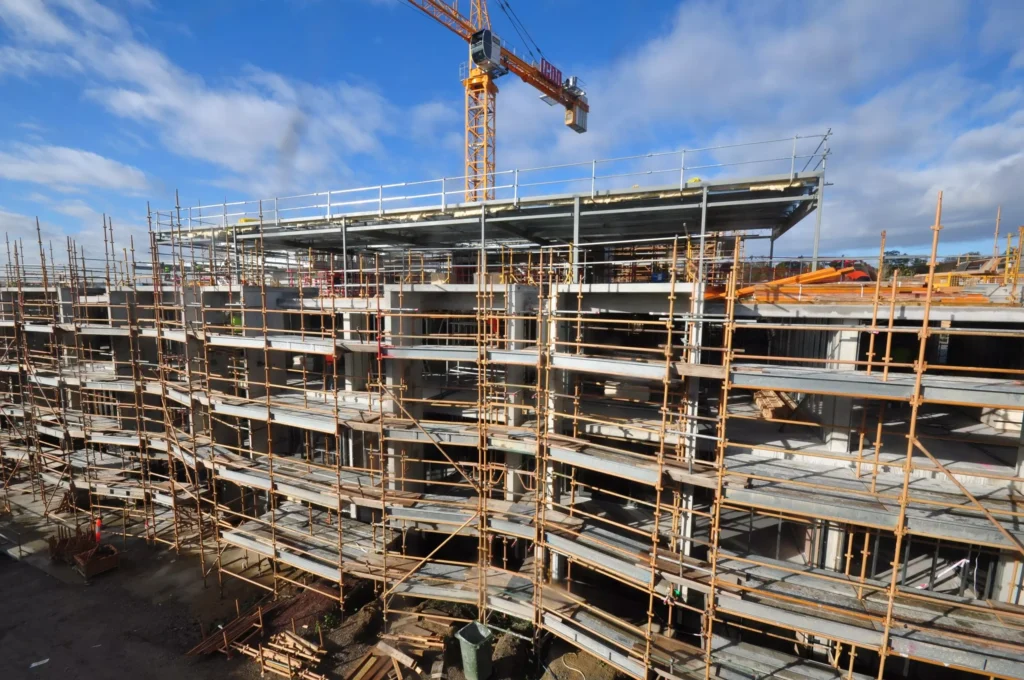
School compounds, once shaded by mature baobabs or neem trees, are being paved over for parking lots. New housing estates prioritize sellable square footage over the cooling breath of a park.
The loss is measurable. Global evidence suggests that urban vegetation can slash surface temperatures by as much as 2°C to 8°C through shading and evapotranspiration.
“If we continue paving over shade and filling wetlands, we are not just building cities; we are engineering hotter, harsher, and more unequal environments,” Mr. Boafo wrote.
Lessons from the “City in a Garden”
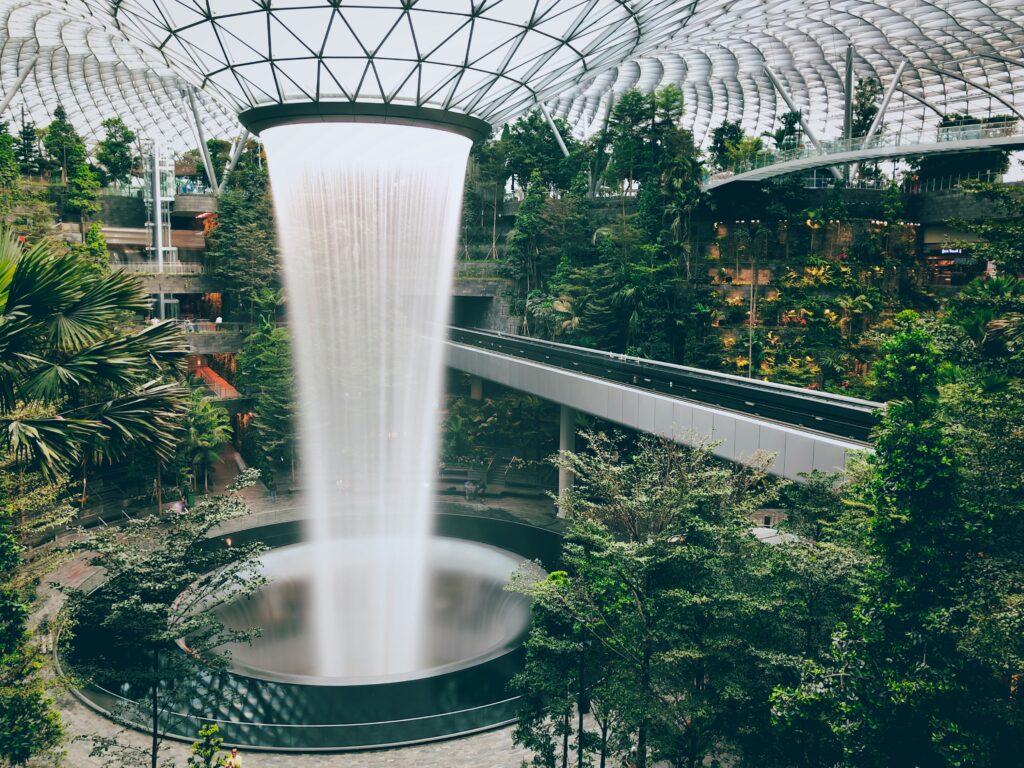
Ghanaian officials need only look to Singapore for a blueprint of what is possible. In the 1960s, the island nation faced similar pressures of land scarcity and rapid growth. Today, nearly 47% of its land is covered in greenery.
In Singapore, green infrastructure is not a “nice-to-have” aesthetic; it is codified in law. Vertical gardens are mandated, and “biodiversity corridors” link the city’s parks.
Similar successes have been seen in Medellín, Colombia, where “green corridors” reduced urban temperatures by 2°C while simultaneously lowering crime rates and improving air quality.
The Economic Mandate
The argument for a greener Ghana is as much about the cedi as it is about the climate. Extreme heat guts labor productivity, spikes electricity demand for cooling, and strains the national healthcare system. A shaded city is, quite literally, a more productive city.
The Intergovernmental Panel on Climate Change (IPCC) has repeatedly flagged nature-based solutions as the most cost-effective way for West Africa to adapt to the coming decades.
A Path Forward
To reverse the trend, Mr. Boafo suggests Ghana must pivot from “ceremonial” tree planting—often done for cameras—to enforceable urban forest strategies. Three actions are paramount:
- Protect the Veterans: Save existing mature trees, which provide far more cooling than saplings.
- Green Ratios: Mandate minimum canopy coverage for every new estate and commercial permit.
- Shade the Vulnerable: Prioritize “cool zones” in markets, lorry parks, and schools.
The next generation of Ghanaians deserves to inherit cities where walking to the market at noon isn’t a health risk. In a warming world, green space isn’t a luxury; it’s climate insurance. And for Ghana, the premium is long overdue.
This article was edited with AI and reviewed by human editors