


STORY HIGHLIGHTS
- Ghana’s Supreme Court on May 6, 2026, dismissed Ecobank Ghana’s final application to avoid paying compound interest to investor Daniel Ofori, closing an 18-year legal battle
- The dispute traces to a 2008 CalBank share transaction on the Ghana Stock Exchange, where the Bank of Ghana intervened and Ecobank refused to release Ofori’s payment
- Ofori is entitled to 30% monthly compound interest from June 2, 2008, to July 25, 2018, and 13.5% post-judgment interest until full payment is made
- The original principal was GH¢6.16 million; the court-admitted debt by 2021 had ballooned to GH¢96.3 million — and continues to accrue
ACCRA, GHANA — It began with a share trade on a Tuesday morning in May 2008. Eighteen years, three courts, and an untold number of legal applications later, Ghana’s Supreme Court has delivered its final word: Ecobank Ghana must pay.
The Supreme Court dismissed Ecobank Ghana’s final legal application on May 6, delivering what legal observers are calling a decisive and unambiguous end to one of the longest-running commercial disputes in Ghana’s history.
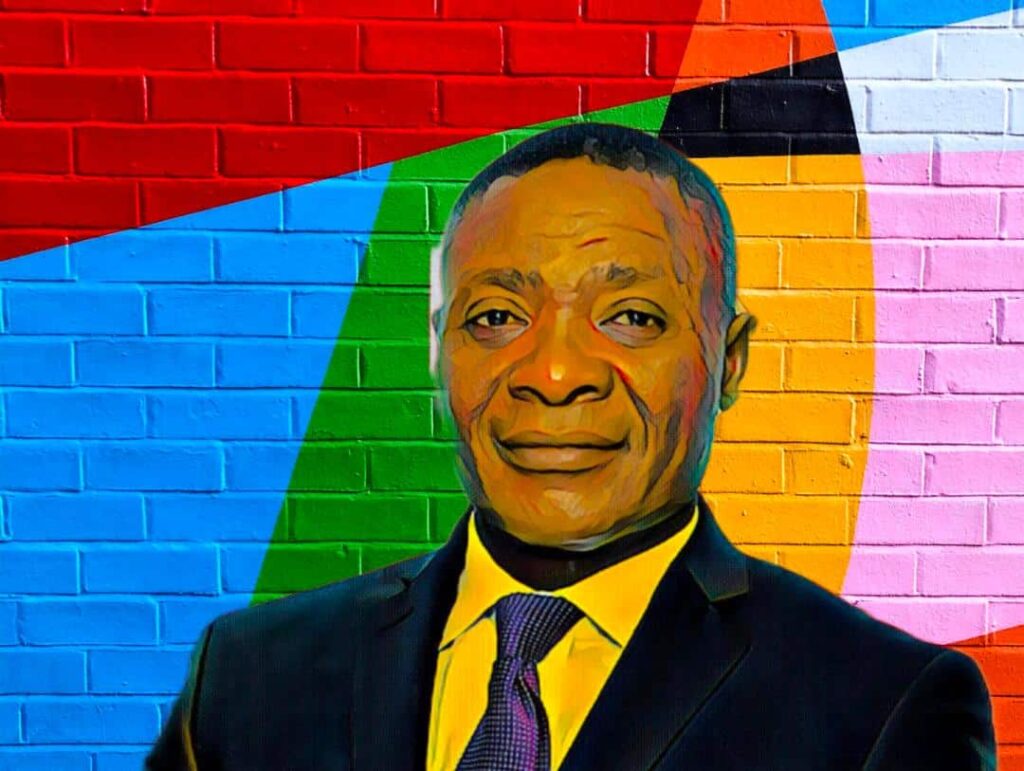
The ruling entitles Daniel Ofori — widely described as the richest individual investor on the Ghana Stock Exchange — to compound interest at a rate of 30 percent running from the date the original transaction soured, through to the date of the first Supreme Court judgment in his favour.
A Trade That Should Have Taken Three Days
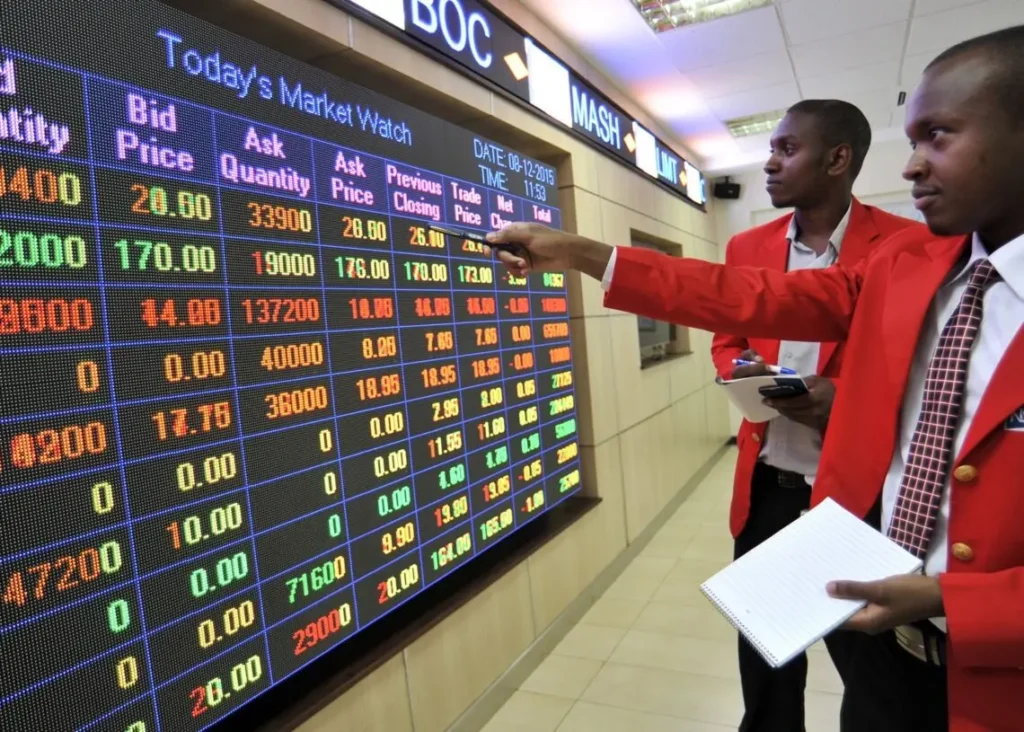
In May 2008, a buyer named William Oppong-Bio engaged Databank Brokerage Ltd, a licensed dealer at the Ghana Stock Exchange, to purchase 14,130,000 shares in CalBank Ltd on his behalf.
Around the same time, Ofori offered his own CalBank shares to Databank to sell. Databank, acting as dual agent for both parties as permitted under Exchange rules, executed the trade on May 27.
The mechanics were straightforward. Oppong-Bio had obtained a loan facility of GH¢13.3 million from Ecobank to fund the purchase, and instructed the bank to apply the funds to pay for the shares.
Ofori, upon receiving the banker’s drafts, instructed Ecobank to place GH¢13.76 million in a call deposit account. The shares legally changed hands. Under exchange settlement rules, payment was due three days later.
Then the Bank of Ghana intervened.
After close of work on Friday, May 30, 2008, the Bank of Ghana’s intervention in the transaction was reported in the media.
First thing Monday morning, June 2, Ecobank stopped the banker’s drafts it had issued the previous Friday. The buyer subsequently wrote to Ecobank stating he was no longer interested in acquiring the shares.
The effect of the trade’s suspension was a fall in CalBank’s share value from GH¢1.05, at which they were traded on May 27, to GH¢0.65 per share.
Ofori had delivered his shares. He had received no money. And the market had moved against him.
Three Courts, One Long Road
Ofori filed suit. What followed was a decade-long progression through Ghana’s judicial hierarchy — with contradictory outcomes at each level.
Ecobank, the Securities and Exchange Commission, and the Ghana Stock Exchange won at the High Court in 2011 and again at the Court of Appeal in 2013.
Both courts found, in essence, that the trade had failed — that Bank of Ghana’s intervention, and technical timing issues around settlement, had voided Ofori’s entitlement.
The Supreme Court disagreed, entirely. By the time Databank presented payment and the exchange’s settlement letter was received, the Supreme Court held, the trade had already been irrevocably settled.
The buyer’s June 11, 2008 letter purporting to resile from the transaction was too late and of no effect. Ownership of the shares had been transferred to him, and payment had been made to the plaintiff.
On July 25, 2018, the Supreme Court delivered a unanimous decision in favour of Ofori, which it refused to reopen on appeal. The court awarded compound interest at the agreed rate of 30 percent — a figure Ecobank itself had admitted in proceedings as the applicable rate on Ofori’s investment.
The Fight After the Judgment
Winning in court is one thing. Getting paid is another.
After 2018, Ecobank mounted a series of post-judgment applications aimed at contesting, delaying, or reducing its liability. The bank challenged the entry of judgment, contested the interest calculations, filed applications for review, and procedurally delayed payment at every available stage.
At one point, the bank introduced what it described as a newly discovered investment agreement showing an interest rate of 15 percent — half the rate it had already admitted.
Mr. Ofori’s lawyers publicly noted that the document lacked credibility because it contradicted Ecobank’s own earlier admission before the tribunal, and bore handwritten alterations on its face.
The Supreme Court refused, on multiple occasions, to allow the document to reopen proceedings.
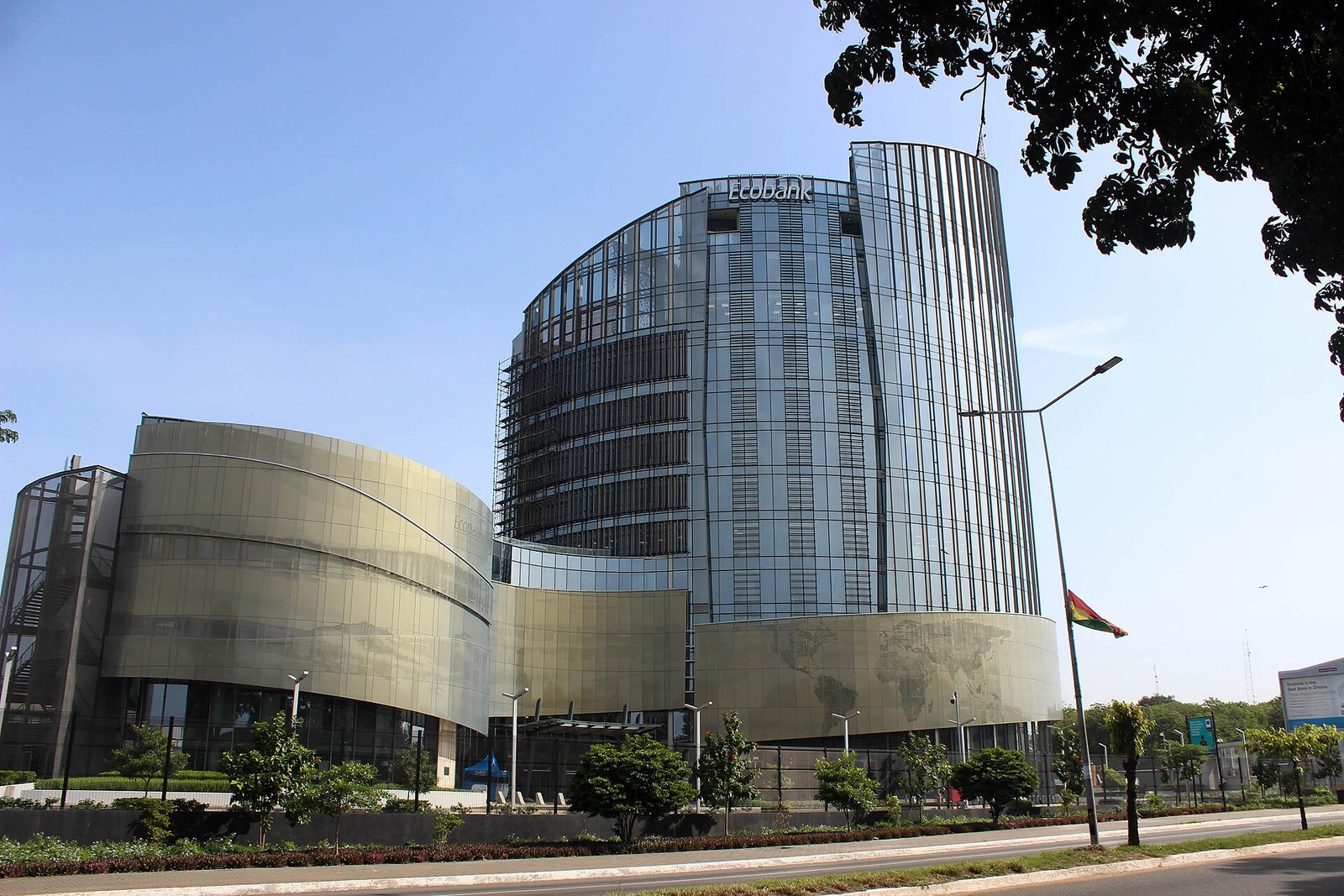
By November 2021, with Ecobank still refusing to pay, Ofori’s lawyers caused a writ of fieri facias — a court enforcement order — to be posted on the head office building of Ecobank Ghana after the bank failed to pay the court-ordered GH¢96,304,972.41.
Ecobank responded with a public statement calling the move “desperate and misplaced.” The bank’s communications team disputed the legitimacy of the attachment, pointing to pending review applications.
Those applications ultimately failed.
The Final Verdict
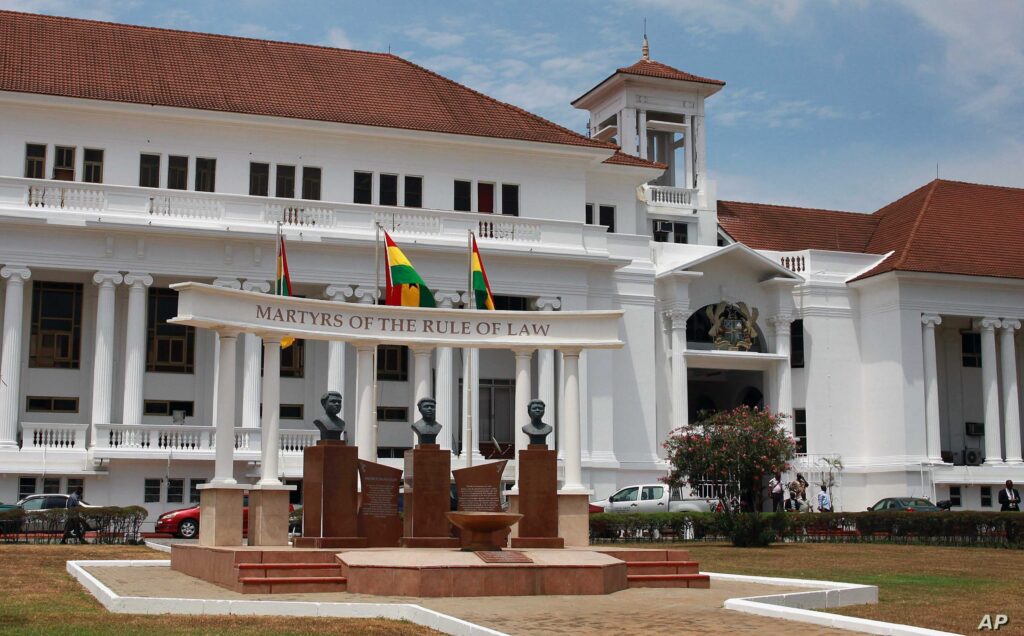
A five-member Supreme Court panel, presided over by Justice Amadu Tanko, unanimously dismissed the bank’s final application on May 6.
The court ruled that Ofori was entitled to monthly compounded interest at 30 percent from June 2, 2008, to July 25, 2018, and thereafter simple interest at 13.34 percent until final payment.
The court also awarded GH¢50,000 in costs in favour of Ofori. Ecobank was represented by Senior Advocate Ace Anan Ankomah; Ofori’s team was led by Tsatsu Tsikata, one of Ghana’s most prominent constitutional lawyers.
The Supreme Court’s May 6 ruling closes every avenue of appeal. Ecobank must now pay compounded interest at 30 percent from June 2, 2008 to July 25, 2018, and 13.5 percent post-judgment interest from that date to final settlement.
What the Verdict Means
The case is more than one investor’s vindication. It tests a foundational question about Ghana’s securities market: when a trade is executed and shares legally transferred, is that transaction inviolable — even if a regulator intervenes after the fact?
The Supreme Court’s answer, consistently upheld across multiple panels over eight years, is yes. A completed trade cannot be unwound by subsequent commercial second-thoughts or regulatory pressure, and a bank that withholds payment on a settled securities transaction bears the full cost of that decision — compounded over time.
For Ecobank Ghana, the bill, which began as a GH¢6.16 million principal, has grown into a liability that, with compound interest running nearly two decades, amounts to a significant commercial consequence. The bank has yet to publicly state when it intends to make full payment.
This article was edited with AI and reviewed by human editors



Follow