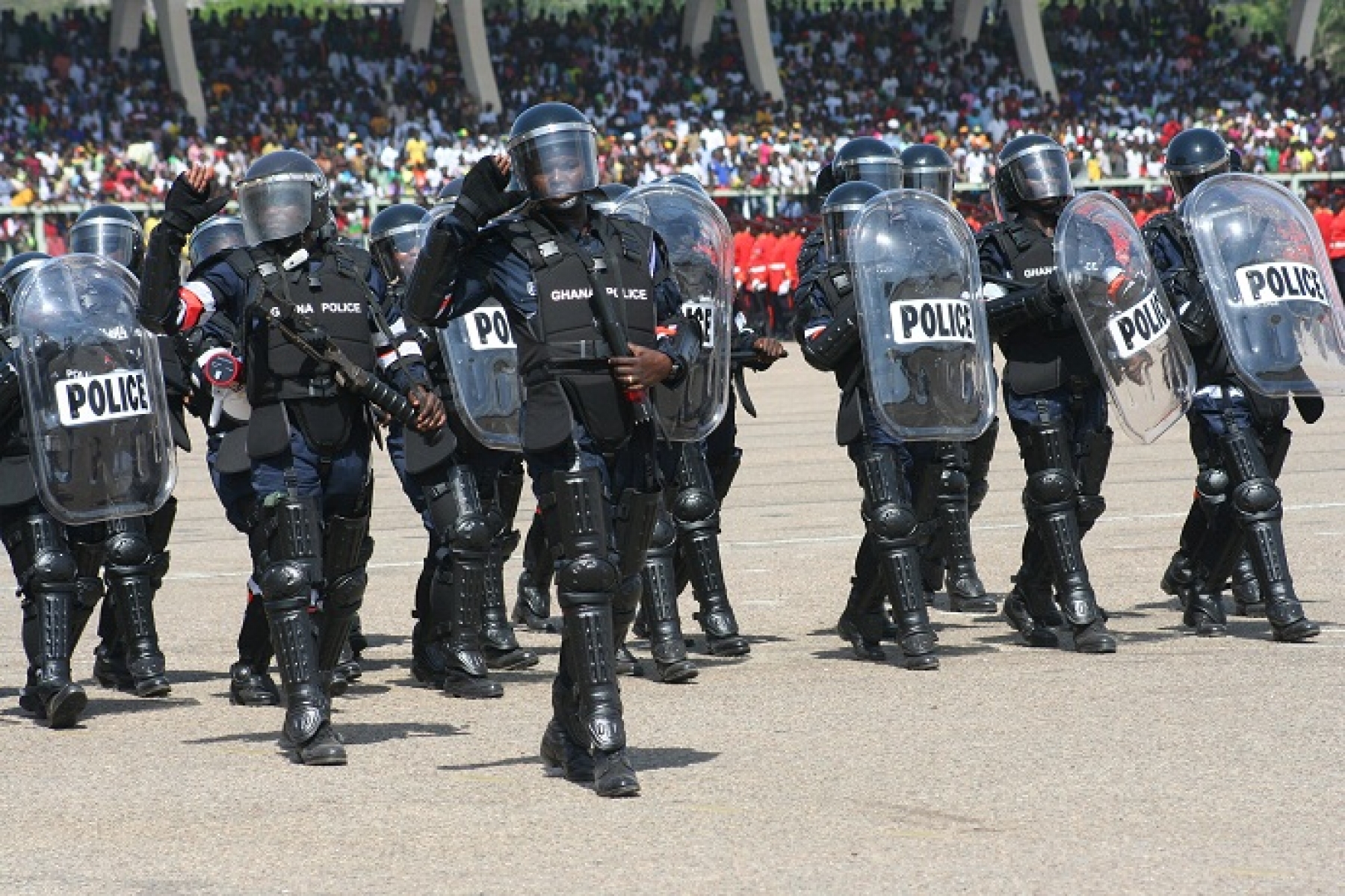
ACCRA, Ghana – In Ghana, police custody is meant to be a place of safety for suspects awaiting due process.
Yet, over the past five years, a pattern of suspicious deaths has raised serious questions about accountability within the Ghana Police Service, one of the country’s most powerful institutions.
An investigative documentary by The Fourth Estate, a Ghanaian public-interest journalism project, documented at least 19 deaths in police custody between October 2020 and June 2025, based on news reports after the police failed to respond to a Right to Information request.
Among these cases, at least four involved alleged suicides by hanging—including one involving a minor—prompting families and advocates to allege foul play and cover-ups.
The documentary highlights cases across six regions, where grieving relatives contest official police narratives, often claiming suicide by hanging or other means that strain credulity.
In many instances, families pursued coroner’s inquests, independent autopsies, or court orders to challenge the accounts, revealing inconsistencies in evidence, conflicting witness statements, and delays in justice.
The Case of Joseph Entsie
One prominent case involves Joseph Entsie (also referred to as Joseph Enu or similar in reports), a taxi driver arrested on Christmas Eve 2021 in the Western Region for alleged drunk driving and nearly hitting a police officer.
His widow, Grace Ofori, recalled his excitement about earning money that night for the family holiday.
Police claimed he hanged himself in custody using his trousers. But the family noted discrepancies: Entsie was last seen in a green T-shirt and shorts, not trousers.
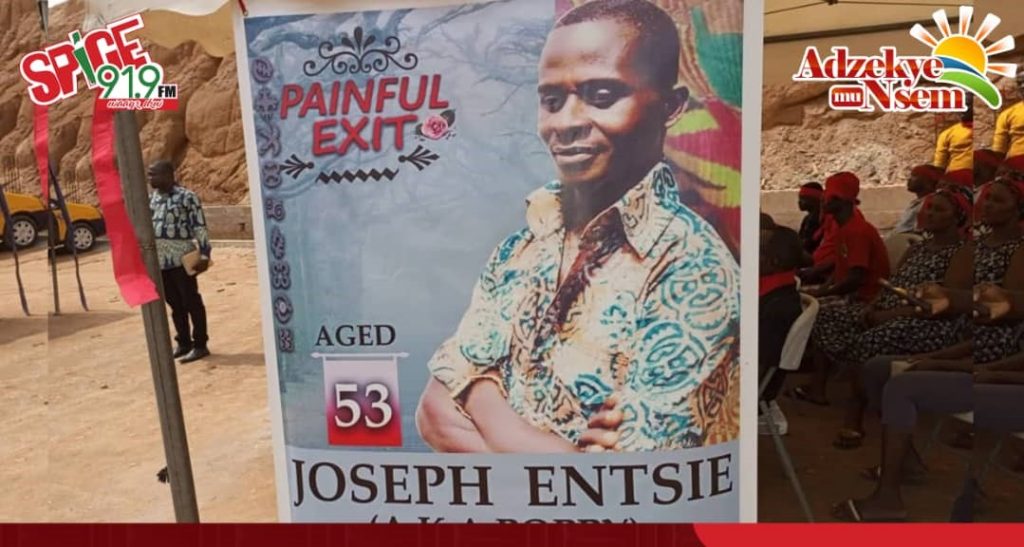
A coroner’s inquest and autopsy by pathologist Dr. Isaac JS King concluded death resulted from external force applied to the chest, causing bleeding in the lungs—not hanging.
Police produced oversized jeans purportedly used in the suicide, but measurements showed they were far too large for Entsie. Requests for CCTV footage from national security yielded promises but no delivery in court.
A second autopsy suggested hanging, but the High Court upheld the first findings in 2022, ruling he was killed by officers. In a subsequent decision, the Sekondi High Court ordered the Ghana Police Service to pay GHC 2 million in compensation to the family, plus special damages.
Despite the ruling, Entsie’s vehicle remains impounded, depreciating while his family struggles financially. Four years on, they await final judgment and the chance to bury him properly.
More Claims of Suicide in Custody
Similar suspicions surround the 2022 death of Isaac Ajamatak, a 29-year-old disc jockey and taxi driver in Mankessim, Central Region. Arrested for allegedly disobeying a police order during a routine check, he was denied bail despite efforts by taxi owners.
Police claimed he hanged himself using cell blankets—described by a human rights lawyer familiar with such facilities as too light and impossible to tear without tools.
His mother, Rebecca Shu, described a happy young man thrilled about his young son, doubting suicide. The family, citing morgue costs and poverty, buried him without full resolution, though they call for government investigation.
Pattern of False Claims
In the Ashanti Region, Ernest Champon, arrested in March 2023 for alleged phone theft, died in custody after more than 72 hours—exceeding the constitutional 48-hour limit for arraignment or bail, which the Supreme Court has ruled includes weekends and holidays.
Police claimed suicide by hanging using a blanket, but relatives described it as thick and questioned how he obtained scissors. Food brought daily was never delivered.
An independent autopsy reportedly showed assault signs. The family rejected a reported police settlement offer of GHC 100,000, spent heavily on legal efforts, and refused burial—paying a traditional fine for suicide, considered taboo in their community.
A member of parliament, whose nephew died in custody, voiced frustration in the documentary: “I am a member of parliament, but I cannot be powerful as the police service in Ghana. Police service is a very very very powerful organ in this country and they can do anything that they want to do.”
Human Rights Violation
These cases reflect broader concerns about police impunity, prolonged pretrial detention, and lack of transparency.
Human rights reports, including from the U.S. State Department, have noted credible allegations of police abuse in detention, though victims often hesitate to complain formally.
The Ghana Police Service has not publicly detailed comprehensive statistics on custody deaths or systemic responses to these allegations in the period covered.
Families continue demanding prosecutions, independent probes, and closure—often at great personal cost—amid a system where trust remains eroded. As one relative put it, only government intervention to establish the truth can bring peace.
This article was edited with AI and reviewed by human editors