Story Highlights
- The EU’s Entry/Exit System (EES) became fully operational today, April 10, 2026, replacing passport stamps with biometric scans at 29 European countries
- All non-EU travellers — including those holding Schengen visas — are subject to the new system
- Most African travellers will have their fingerprints and facial image captured at the border, whether visa-holding or not
- The system automatically tracks how many days you have spent in the Schengen Area — overstaying is now nearly impossible to hide
As of today, travelling to Europe will never look quite the same. The European Union’s Entry/Exit System — known as the EES — has gone fully live, marking the biggest overhaul to Schengen border management in decades.
For African travellers, who already face one of the world’s most burdensome visa regimes, the changes introduce yet another layer of procedure. But they also promise greater transparency and, eventually, faster crossings.
Here is what you need to know before you fly.
What Exactly Is the EES?
The EES is a digital border management system that replaces the old practice of stamping passports. Instead of an ink mark in a booklet, every non-EU national crossing into the Schengen Area will now be registered electronically: passport data, a facial photograph, and fingerprints from four fingers.
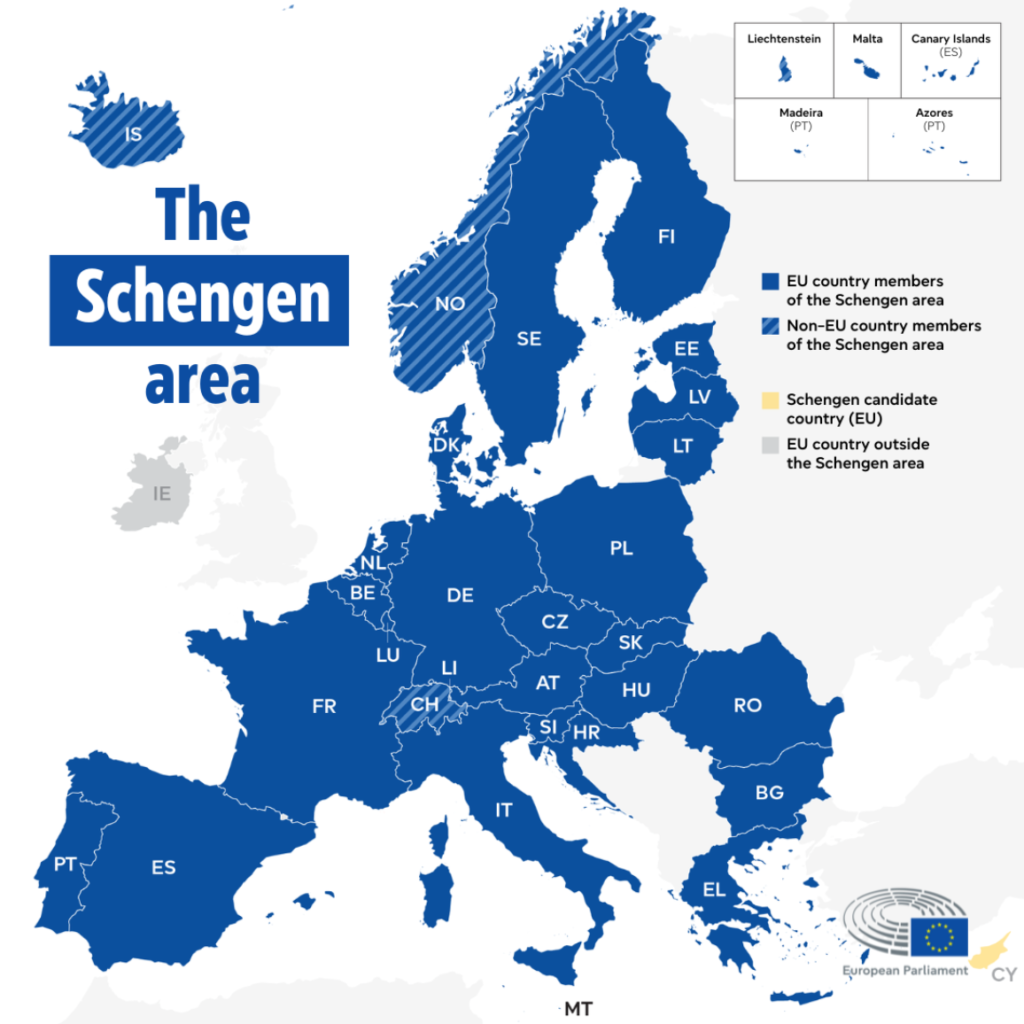
The system launched in a phased rollout beginning October 12, 2025, across 29 European countries — all Schengen member states, plus Iceland, Norway, Switzerland, and Liechtenstein.
Today, April 10, marks the point at which the system is fully operational at all external border crossing points. Cyprus and Ireland are not part of EES; those crossing into either country will still receive manual passport stamps.
Who Does It Affect?
The EES applies to all non-EU nationals visiting the Schengen Area for short stays — that is, up to 90 days within any 180-day period. This covers both visa-holding and visa-exempt travellers.
For the vast majority of African travellers, who require a Schengen visa to enter Europe, the process works like this: if you hold a valid Schengen visa, your fingerprints will have already been collected when you applied at a consulate or visa centre.
At the border, the EES will capture only your facial image on your first crossing. From then on, each subsequent entry or exit triggers a fast verification check — no repeat full registration needed.
What Happens at the Border?
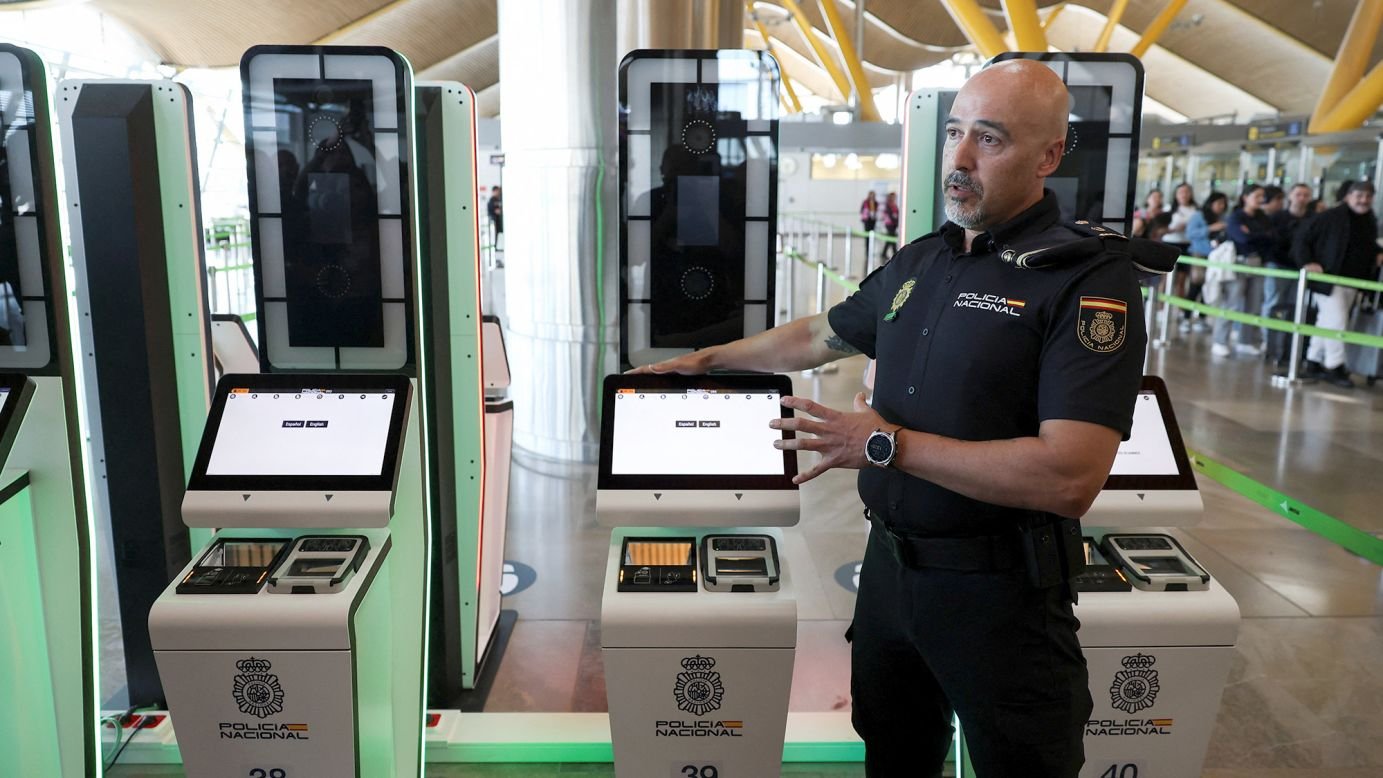
Your first crossing under the EES will take a little longer than usual. A border officer, or increasingly a self-service kiosk, will:
- Scan your passport or travel document
- Capture your facial image
- Take fingerprints (four fingers)
- Log your entry and exit data into a secure EU database
After that initial registration, future visits within three years will require only a quick fingerprint or facial scan to verify your identity. Biometric passports (those with an embedded chip) allow use of the automated self-service kiosks, which speed things up considerably.
Travellers with standard non-biometric passports must use a staffed booth.
One thing is absolute: refusing to provide biometric data will result in automatic denial of entry.
Children under 12 are exempt from fingerprint scanning but must still have a photograph taken.
The 90-Day Rule Is Now Airtight
For years, the Schengen Area’s “90 days in every 180 days” rule was monitored manually through passport stamps — a system that was inconsistent, easily falsified, and difficult to audit. The EES changes that entirely.
The system now automatically calculates how many days a traveller has spent in the Schengen Area in real time. Border officers can see your full travel history the moment you approach a crossing point.
If you have overstayed — even by one day — it will be flagged and recorded in the database for up to five years, visible to consulates during future visa applications.
For African travellers who plan repeated trips to Europe for business, family visits, or study purposes, this is critical. Days spent across all 29 EES countries count as a single combined total, not separately per country.
Do You Need to Register in Advance?
No. EES registration happens automatically at the border when you arrive. There is nothing to apply for, and no fee is charged.
The EU has warned travellers of fraudulent websites claiming to offer EES pre-registration for a fee. These are scams.
The only optional pre-registration tool is the official Travel to Europe mobile app, currently available in a limited number of countries, including Portugal and Sweden, which allows travellers to submit a facial photo and passport details up to 72 hours before arrival. Even then, it does not replace the border interview itself.
What About Airport Delays?
Expect them — at least in the short term. Airport associations across Europe have already flagged that waiting times at peak periods are regularly reaching two hours or more at some ports of entry.

Travellers, especially those transiting through busy hubs like Paris Charles de Gaulle, Frankfurt, or Amsterdam Schiphol, should factor in extended border queues and allow extra time for connecting flights.
The EU has promised flexibility on queue management, but the situation may remain bumpy through the busy summer travel season.
What Is ETIAS, and Does It Apply to Africans?
ETIAS — the European Travel Information and Authorisation System — is a separate, additional system coming later in 2026, expected in the fourth quarter of the year. It is aimed specifically at visa-exempt travellers: nationals who currently enter Europe without a visa at all.
Most African nationals require a Schengen visa and are therefore not subject to ETIAS. They will continue going through the standard visa application process, plus EES checks at the border.
A small number of African countries enjoy visa-free access to the Schengen Area — such as Seychelles and Mauritius. Citizens of those countries will eventually need to apply for ETIAS authorisation before travel, at a cost of €20, valid for three years.
The Bigger Picture
The EES is Europe’s most significant investment in border digitisation in a generation. For African travellers — who already navigate lengthy visa queues, high application fees, and frequent rejections — it adds new procedural steps to an already demanding process.
But it also introduces a degree of fairness: your travel history is now digital, portable, and verifiable. A clean record can only help future visa applications.
The system has already shown its teeth: since its October launch, over 24,000 people have been refused entry for various reasons, including expired documents and unverifiable travel justifications, while more than 600 individuals identified as security risks were turned away.
The EU is betting that digital borders are smarter borders. For the African traveller preparing for a European trip, knowing the rules of this new system is no longer optional.
This article was edited with AI and reviewed by human editors