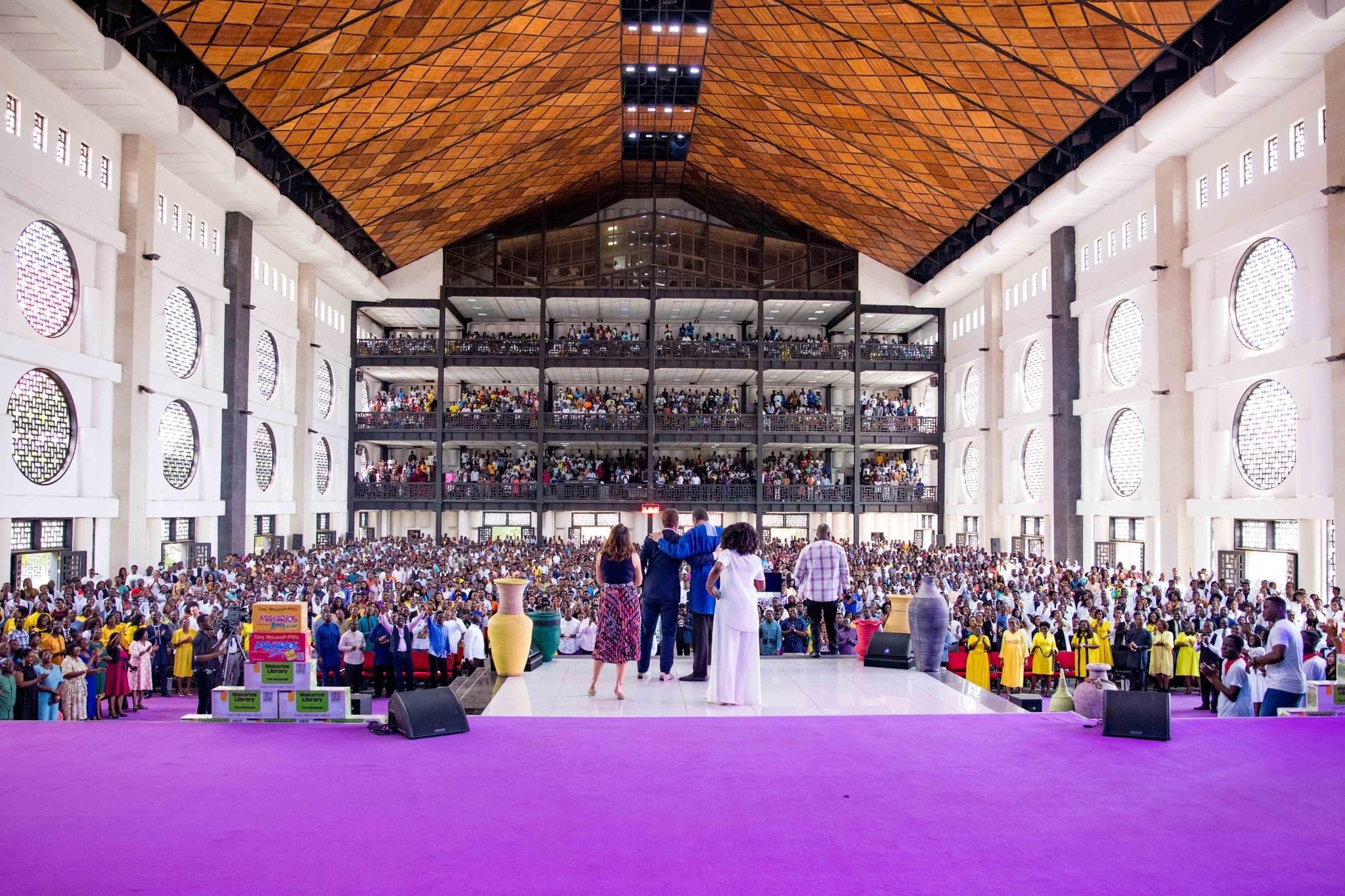
On November 5, 2025, President John Mahama commissioned a 300-bed correctional facility in Damongo. The facility was funded and built by the Church of Pentecost — the third such prison the denomination has constructed in partnership with the state.
Some critics questioned the construction of prisons by the church, while others defended it, stating it was a moral endeavor.
The collaboration between the Christian community and the state has become closer over the years.
Christianity, embraced by nearly 71% of the population according to the 2021 census, permeates everything from Sunday sermons, radio and television, and election-year rallies.

Pentecostal megachurches, like the Church of Pentecost with over 3 million members, have a powerful voice when it comes to political influence.
Although the country’s constitution presents a “secular” document, the influence of the church in politics has become more and more pronounced over the years.
Has the church’s influence on the state crossed into overreach?
The Wesley Girls School Debate
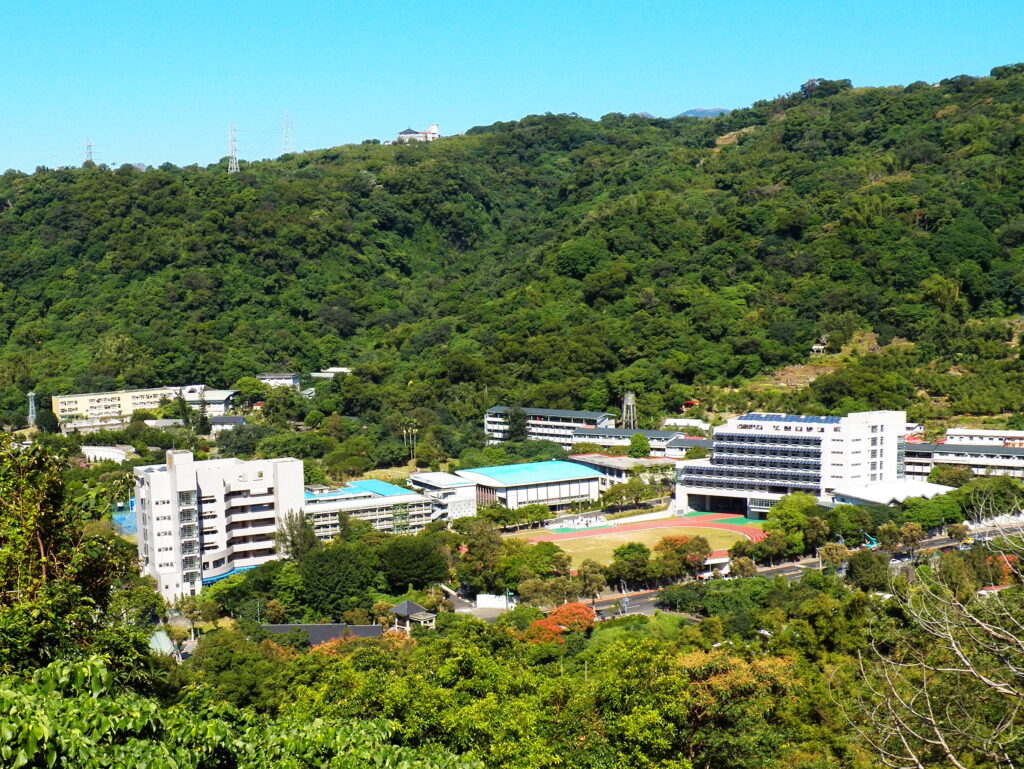
On November 25, Ghana’s Supreme Court ordered Wesley Girls’ Senior High School — a flagship Methodist institution — to respond within 14 days to a lawsuit accusing it of barring Muslim students from wearing hijabs, fasting during Ramadan, and observing daily prayers.
The case, filed in December 2024 by lawyer Shafic Osman, has drawn national attention from Muslim leaders and human rights advocates, who argue it exposes a troubling fusion of religious dogma and public education.
Ghana’s constitution enshrines freedom of religion and prohibits the establishment of any faith as state-sponsored.
Yet, the lines have blurred since independence in 1957.
Mission schools, pioneered by Catholic, Methodist, and Presbyterian churches in the 19th century, educated the nation’s founders and now enroll millions under a government subsidy system.
The school’s defenders, including the Ghana Catholic Bishops’ Conference and Christian Council of Ghana, counter that mission schools predate the state and retain their denominational ethos as a condition of partnership.
In a joint statement on November 25, they declared: “Parents enroll voluntarily, knowing the Christian identity. Demanding we alter our core to accommodate others is unreasonable when secular and Islamic schools abound.”
The Attorney General’s office echoed this, arguing Wesley Girls’ Methodist roots justify its rules.
Morality Police
In a bold 2023 proposal, the Church of Pentecost advocated for a national “Christian Morality Council” to monitor and regulate private and public behavior, from media content to ethical governance.
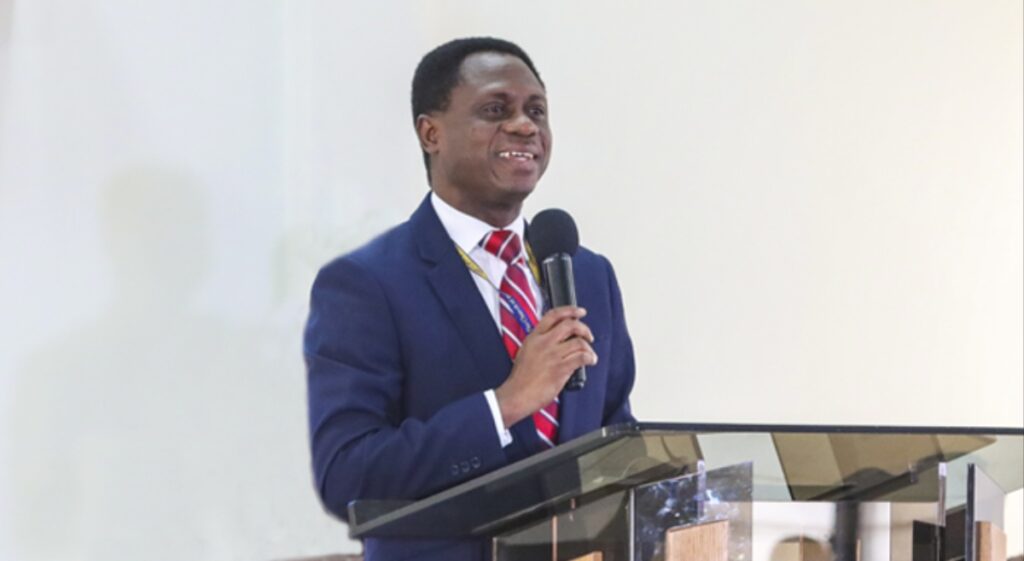
Chairman Apostle Eric Nyamekye argued it would combat societal ills like corruption and promiscuity, drawing on dominion theology’s call for believers to “rule in corporate, politics, the marketplace, everywhere.”
Though not yet realized, the idea gained traction among charismatic networks and echoed in policy consultations, revealing ambitions to institutionalize church oversight in a secular state.
Sex Education and LGBT Rights
The church has also been influential in social matters.
When a proposal by UNESCO to introduce comprehensive sex education in schools, religious groups made up of both Christians and Muslims led a public campaign against the program.
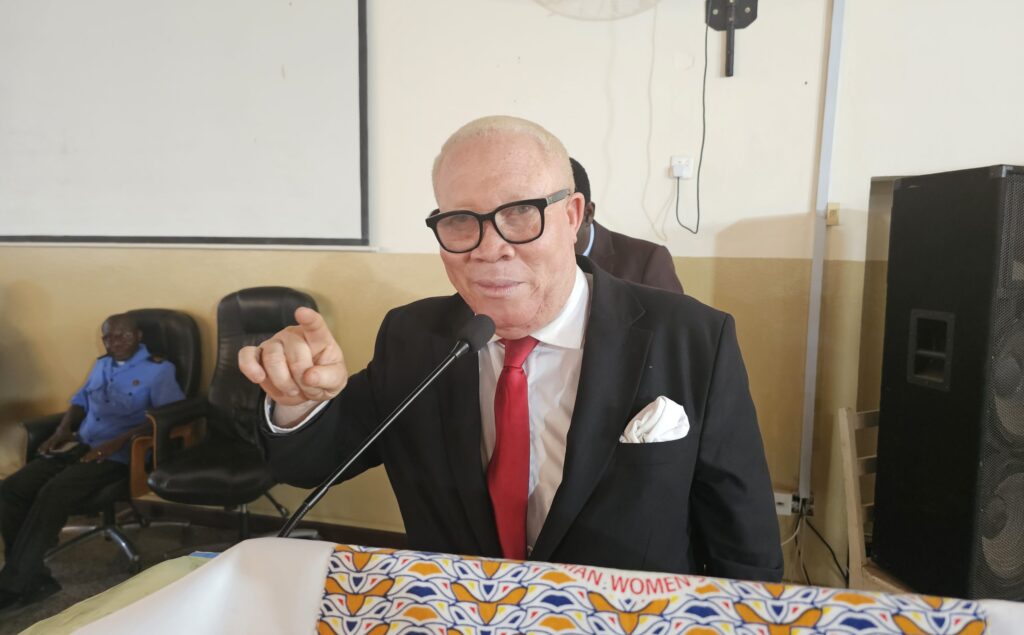
The coalition, led by Moses Foj-Amoaning, a prominent lawyer and advocate against LGBT rights, alleged that the program was to indoctrinate children to accept LGBT advocacy.
Following pressure from the group, the government distanced itself from the sex education program.
The latest foray by the church is influencing the bill, popularly known as the anti-LGBT bill, to outlaw LGBT activities in the country.
President Mahama, following a visit by the clergy, reassured that the government would pass the bill once it had gotten through parliament.
Church and State
President Mahama praised the Church of Pentecost during the Damongo commissioning. “Nation-building is a collective moral endeavor,” he said, lauding the prison facility as a “sanctuary of hope” with workshops for carpentry and agriculture to aid rehabilitation.
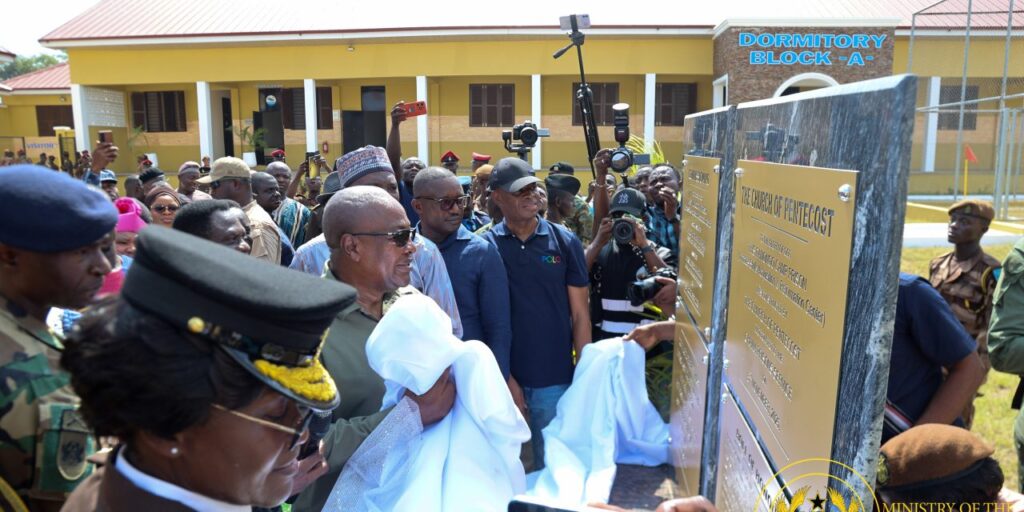
The church, drawing from Hebrews 13:3 — “Remember those in prison as if you were together with them” — has built similar centers in Ejura and Nsawam, easing overcrowding in facilities where inmates often endure 200 percent capacity.
Apostle Eric Nyamekye, the church’s chairman, defended the “Kingdom Project” as soul-saving and societal transformation: “We raise disciples who impact with righteousness.”
This paradox — churches as both welfare providers and policy shapers — traces to colonial legacies. Missionaries built infrastructure when the state was nascent, forging partnerships that endure.
This article was edited with AI and reviewed by human editors