
Ghana’s Finance Minister Dr. Cassiel Ato Forson rose before Parliament on Thursday to deliver a budget speech that blended somber reflection with unyielding optimism.
Just a day after a tragic stampede at an army recruitment drive claimed lives at Accra’s El-Wak Stadium, Forson invoked prayers for the bereaved before pivoting to a bolder narrative: Ghana’s economy, battered by eight years of what he called “mismanagement and deception,” is not just recovering—it’s resetting.
Under President John Dramani Mahama’s second-year administration, the 2026 budget—titled “Resetting for Growth, Jobs, and Economic Transformation”—paints a picture of a nation clawing back from fiscal chaos.
Inherited debt burdens, soaring inflation, and a depreciating cedi had left households and businesses reeling when Mahama’s National Democratic Congress took power in late 2024.
Now, with GDP humming at 6.3 percent growth in the first half of 2025, Forson declared the Black Star “rising once more.” It’s a message laced with political subtext: a rebuke to the prior New Patriotic Party government and a promise to voters who handed Mahama a resounding mandate.
The budget speech laid out a vision for a Ghana that “produces more than it consumes” and exports “value-added goods, not just raw materials.”
Backed by fiscal restraint—government spending slowed to a disciplined 3.7 percent—it’s a blueprint for turning stability into prosperity.
Yet amid the triumphs, Forson didn’t shy from the scars: “This is a revival forged amid the tempest of hopes harbored by the ordinary Ghanaian whose spirit has long been weathered by 8 years of hardship.”
As Ghana eyes a return to the global stage, the budget signals a pivot from crisis management to bold bets on infrastructure, agriculture, and social equity.
Here are five key takeaways from the address:
1. Fiscal Discipline as the New National Creed
Forson’s speech hammers home a hard-learned lesson: “There is no shortcut to responsible economic management.”
After inheriting an economy “weighed down by debt” and plagued by instability, the government has tamed inflation, stabilized the cedi, and rekindled investor confidence.
Real GDP surged 6.3 percent in early 2025, outpacing 2024’s 5.1 percent, with non-oil growth hitting a robust 7.8 percent—proof, Forson says, that domestic production is now the engine.
For 2026, the priority is “consolidating macroeconomic stability” through revenue boosts and prudent debt strategies, shielding Ghana from future shocks.
2. Jobs at the Heart of Transformation
The budget shifts “from resilience to productivity” and “from stability to jobs.” Investments will pour into the “24-Hour Economy”—a flagship push for round-the-clock manufacturing and services—and the “Big Push” for industrial revival, targeting sustainable employment across all 16 regions.
Commercial agriculture, aquaculture, and agribusiness get top billing, with cocoa output rebounding from a 21.4 percent contraction to 2.8 percent growth thanks to targeted farm aid.
Household consumption, up 8.2 percent, reflects rising confidence, but Forson stresses shared opportunity: a Ghana where “jobs are decent, incomes are rising, and opportunity is shared by all.”
Organized labor’s early agreement on a 2026 minimum wage underscores the collaborative tone.
3. Agriculture and Industry as Growth Pillars
The “backbone of stability” gets a lifeline. Agriculture expanded 6 percent in 2025—doubling the prior year’s pace—while manufacturing climbed 6.3 percent and construction 4 percent, fueled by reliable energy and revived projects.
Services, the “heartbeat of recovery,” roared ahead at 8.8 percent, led by ICT’s 17.2 percent leap.
For 2026, bold spending on energy and infrastructure aims to export value-added goods, not raw commodities, fostering a producer nation. It’s a direct antidote to the “impoverishment” of the past, with smarter policies ensuring farmers and factories thrive amid global volatility.
4. Social Safety Nets and Security for Inclusive Progress
Beyond economics, the budget eyes human dignity. Modernizing education (up 14.9 percent growth), expanding healthcare access, and retooling security forces top the list, alongside universal electricity, water, and sanitation. Environmental protection for “generations to come” nods to climate threats in a cocoa-dependent economy.
Forson frames this as the road “of reform, renewal, and resilience,” extending opportunity to every community. It’s a subtle appeal to the “ordinary Ghanaian” who endured the “shadows of deception,” promising a nation where citizens “live with dignity and pride.”
5. A Legislative Overhaul to Cement Reforms
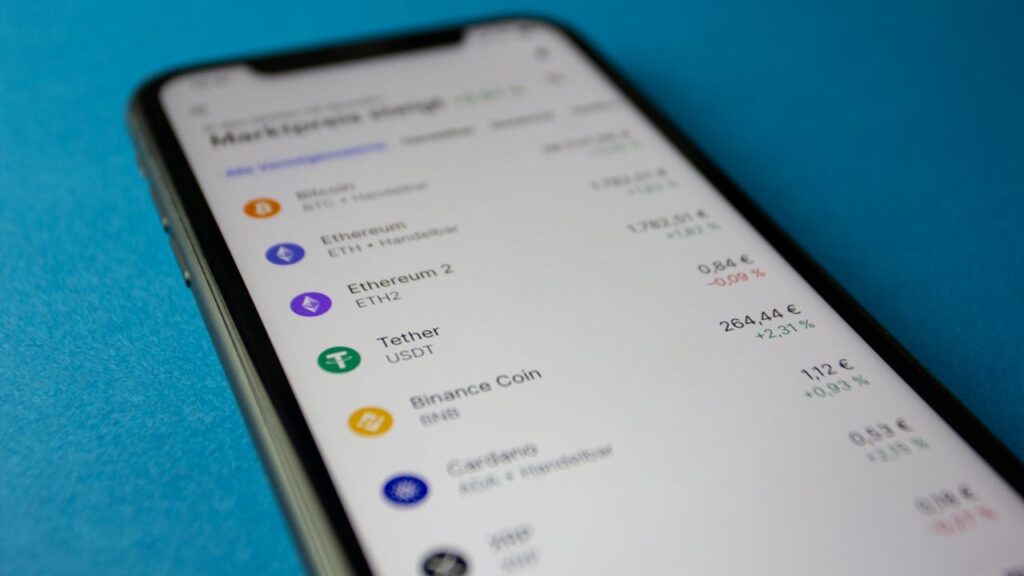
To lock in the reset, Forson announced a slate of bills signaling long-term ambition: a Value for Money Bill to curb waste, a Virtual Asset Services Providers Bill for crypto regulation, and a Value Added Tax overhaul.
The COVID-19 Health Recovery Levy faces repeal, freeing fiscal space, while amendments to education and health insurance funds aim to boost equity. An AI-powered trade analytics system and revised petroleum fund investments round out tech-forward moves.
Mahama’s administration is betting big on discipline and diversification to deliver the prosperity it promised. Yet challenges loom: global commodity swings, youth unemployment, and the ghosts of past debt defaults.
This article was edited with AI and reviewed by human editors