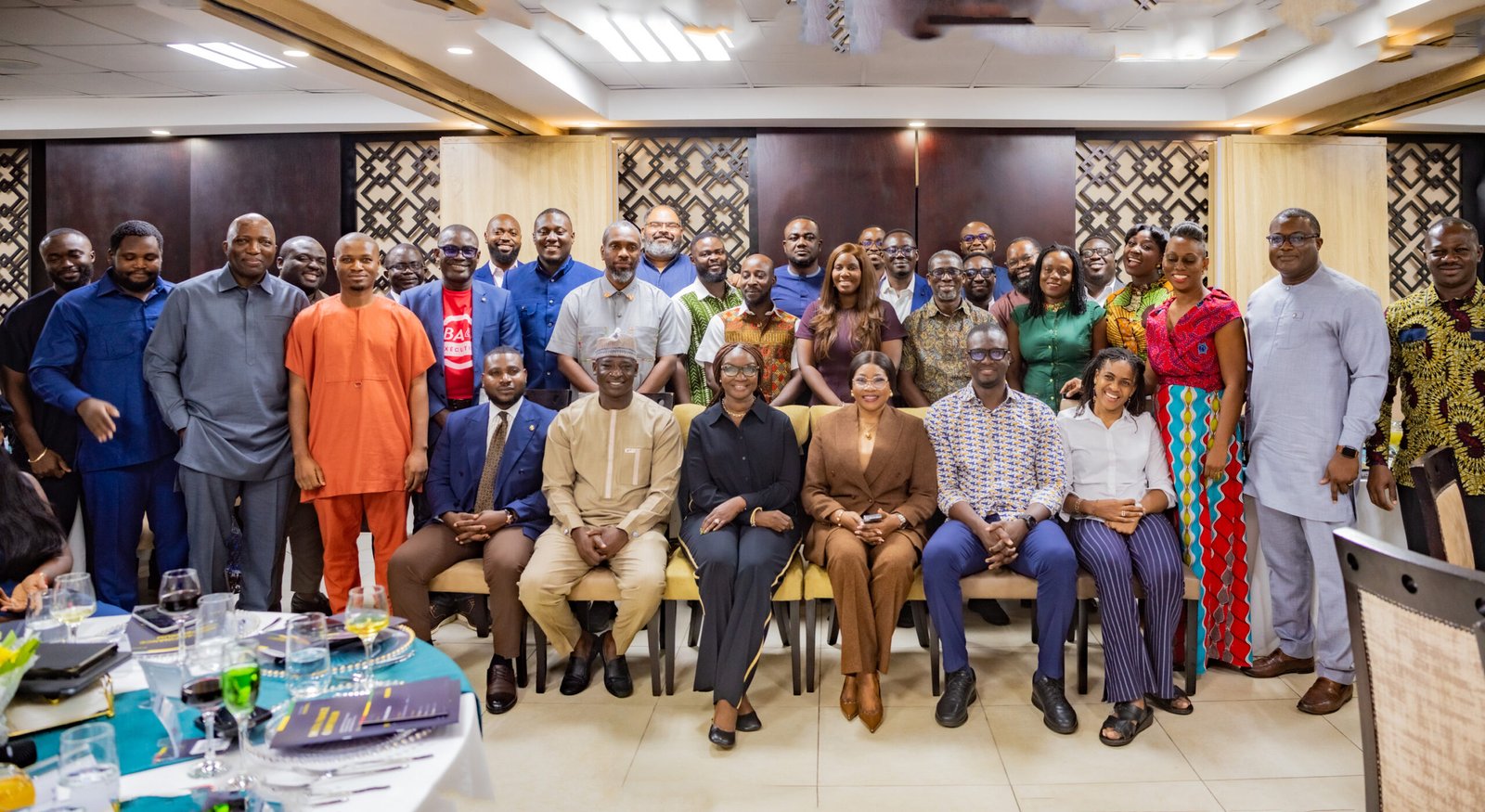
ACCRA, Ghana — On a Friday evening last week, a senior cross-section of Ghana’s financial and digital elite gathered behind the closed doors of an invite-only dinner.
They were operating under the Chatham House Rule: ideas could leave the room, but the identities of those who spoke them could not.
The occasion was the Future of Finance Dialogues (FOF), a gathering that felt like a mix between a social mixer and a war room.
Convened by Ethel Cofie, a CEO and boardroom fixture known for bridging the gap between raw code and corporate governance, the dialogue arrived at a delicate inflection point.
For Ghana, the question is no longer whether the economy will go digital—it already has—but whether the infrastructure supporting it is built to last or destined to crack under the weight of its own ambition.
The Architecture of Trust
The guest list was a deliberate mix of the people who write the rules and those who have to play by them.
Representing the regulators were heavyweights like Mrs. Matilda Asante Asiedu, Second Deputy Governor of the Bank of Ghana, and Dr. Arnold Kavaarpuo of the Data Protection Commission.
Other personalities included Joyce Bawah Mogtari, Presidential Adviser and Special Aide to the President, and Hon. Dr. Abed Nego Azumah Bandim, MP for Bunkpurugu and Chair of Parliament’s Select Committee on Information and Communications.
From the commercial side, leaders from GCB Bank, Fidelity Bank, and Access Bank Ghana sat alongside the fintech “disruptors” who are increasingly becoming the establishment.
The timing of the event was no accident. Just 24 hours earlier, the Bank of Ghana had released its Draft Open Banking Directive.
Open Banking, in its simplest form, allows customers to share their financial data with third-party apps to get better loans or more personalized savings tools. While it promises a revolution in consumer choice, it also creates a massive web of shared liability.
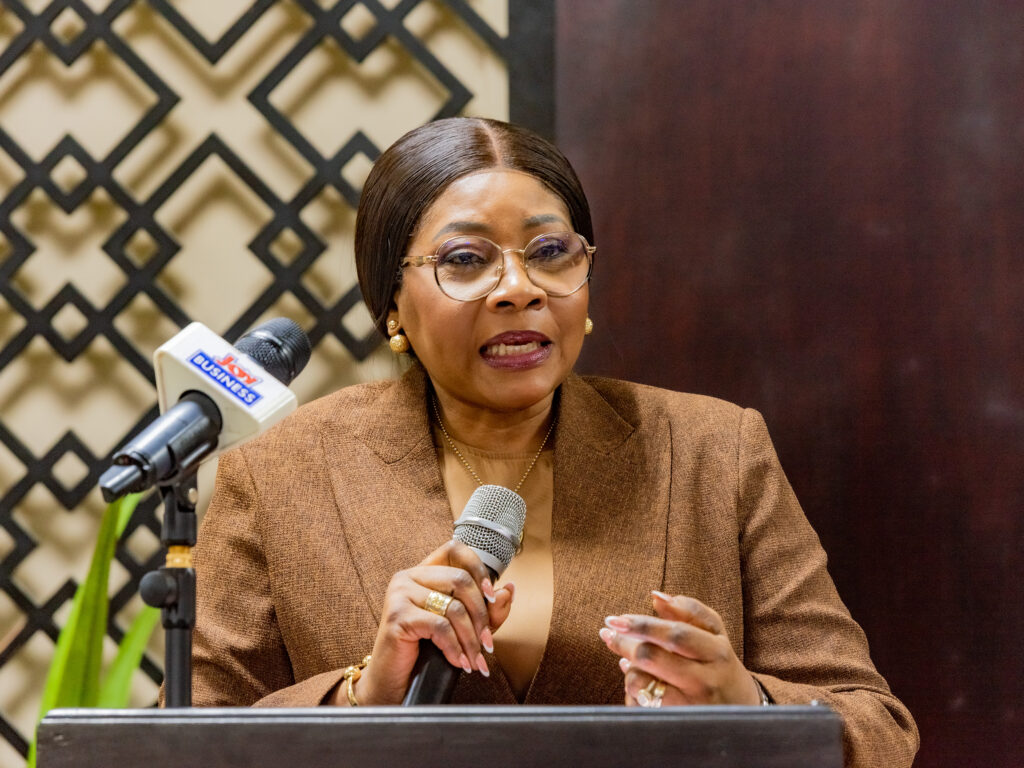
“Open banking will not succeed only as a regulatory project,” the Deputy Governor noted in public remarks surrounding the event. “It must be a movement, an ecosystem movement.”
Her message to banks and builders was direct, emphasising opportunity for banks and disciplined execution for fintechs and developers.
The Crypto Question Moves from ‘If’ to ‘How’
While the room debated data sharing, a more controversial specter loomed: virtual assets.
For years, “crypto” was the elephant in the room that regulators preferred to ignore. That era ended in late December 2025, when Parliament passed the Virtual Asset Service Providers Bill.

Data now suggests that Ghana’s crypto ecosystem has ballooned to more than 3 million users.
On January 22, a joint policy statement from the Bank of Ghana and the SEC made it clear: the “wild west” era is over. Entities conducting virtual asset activities now face mandatory licensing and registration.
The conversation at the dinner table was a recurring loop: How does Ghana build faster without building fragile?
The Gap Between Policy and the Street
For the average Ghanaian, these high-level directives translate to much simpler frustrations.
- Did the money move?
- Why did the transaction fail?
- How long will it take to get my money back from a scammer?
Hon. Dr. Abed Nego Azumah Bandim, Chair of Parliament’s Select Committee on Information and Communications, provided the evening’s most grounded reality check.

“Legislation is only the skeleton,” Dr. Bandim remarked. “Regulation, implementation, and industry practice are the flesh and blood.”
His point resonated. In a connected market, the phrase “not my platform” is no longer an acceptable answer to a customer whose money has vanished into a digital void between a bank and a fintech app.
The New Operating Detail
By the time the last courses were cleared, three themes dominated the room:
- Partnership as Risk: Open Banking scales on clarity, not goodwill. If a partnership fails, who carries the loss?
- Dispute Resolution as Trust: People remember how they were treated when the app crashed. Trust is the ultimate bottleneck.
- Sequencing Innovation: With crypto legislation in place, the focus shifts to consumer education and safeguarding against harm.
The takeaway from the FOF dinner is that Ghana’s digital finance story is moving from the “visionary” phase to the “operating” phase.
That shift is less flashy than a product launch, but it is the work that determines whether customers experience innovation as convenience or as confusion.