In a move that could significantly reshape internet access for its younger population, Ghana is currently debating legislation aimed at restricting minors from accessing adult content online.
The proposed regulations, spearheaded by the Ministry of Communication and the Cybersecurity Authority (CSA), seek to create a safer digital environment for children.
But questions remain about censorship and the practicalities of implementation.
Growing Concern
The initiative comes amidst growing global concerns about the pervasive nature of explicit material on the internet and its potential impact on developing minds.
The Minister of Communications, Sam George, argues that such legislation is a necessary step to shield children from harmful content. He stated that his proposal will be sent to the Cabinet for approval in 2026.
If approved, it will empower the ministry to direct internet service providers (ISPs) and telecommunications companies to enforce restrictions nationwide.
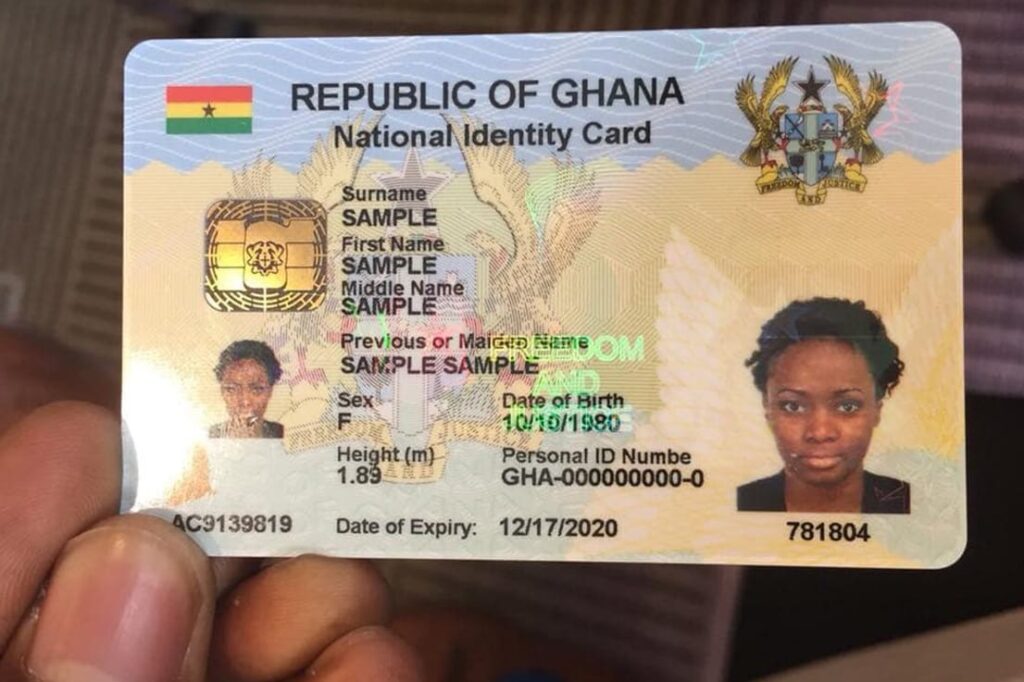
The Minister stated that the National ID (Ghana Card) would be used to authenticate users visiting certain websites.
However, there are concerns that broad content filters could inadvertently block educational or age-appropriate material, and that the legislation might be difficult to enforce effectively in a rapidly evolving digital landscape.
Questions also linger about how “adult content” will be precisely defined and regulated, avoiding a slippery slope towards broader censorship.
A Global Precedent
Ghana’s proposed legislation is not unique, drawing parallels with efforts in other nations grappling with similar issues.
Australia has long had a robust framework for content classification, extending to online material. The Australian Communications and Media Authority (ACMA) has powers to investigate and refer illegal and offensive online content to internet service providers (ISPs) for removal.
Last week, the government announced that it would ban persons under 16 from signing on for social media accounts, including X, Facebook, and TikTok.
The government said the move would reduce the negative impact of social media’s “design features that encourage [young people] to spend more time on screens, while also serving up content that can harm their health and wellbeing“.
A study the government commissioned earlier in 2025 found that 96% of children aged 10-15 used social media, and that seven out of 10 of them had been exposed to harmful content.
The United Kingdom has also made significant strides in this area. The Online Safety Act 2023 (formerly the Online Safety Bill) is a comprehensive UK law designed to regulate online services to improve user safety, particularly for children.
After years of debate, it received Royal Assent on October 26, 2023, and is being implemented in phases throughout 2024 and 2025.
On July 25, 2025, mandatory age verification rules took effect for sites hosting pornography or high-risk content for children.
Balancing Act
The debate in Ghana, much like those internationally, revolves around a delicate balance of competing values.
The government is looking at safeguarding children from exposure to potentially damaging or age-inappropriate content online.
But the dynamic and decentralized nature of the internet makes it incredibly difficult to enforce such bans effectively.
VPNs, proxy servers, and new platforms constantly emerge, making content filtering a perpetual cat-and-mouse game.
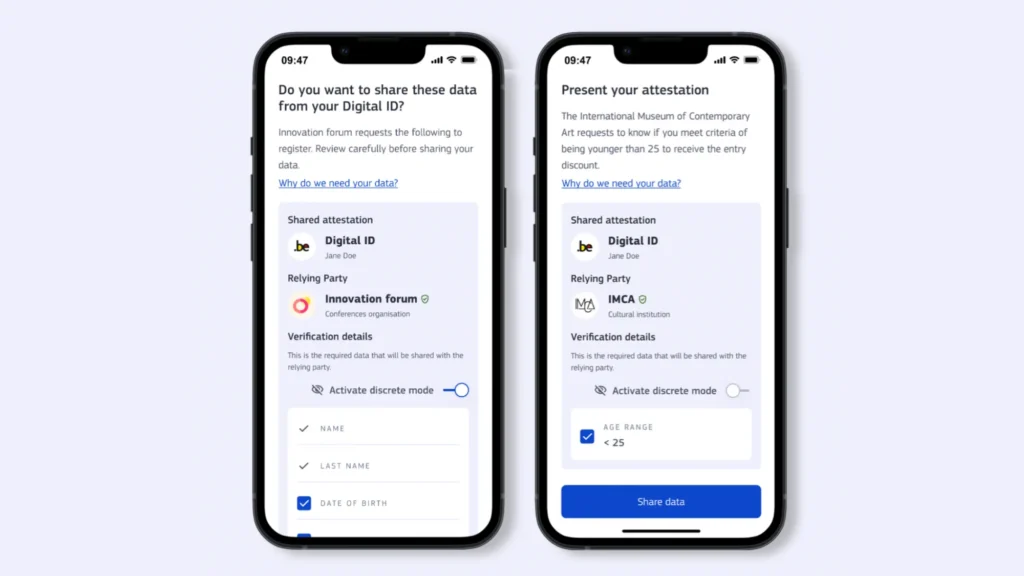
The use of age verification technologies also raises significant privacy concerns, requiring users to submit personal data, which could be vulnerable to breaches or misuse.
Lastly, content providers might err on the side of caution, removing or restricting a wider range of content to avoid legal penalties, potentially reducing the diversity of online information.
There is going to be a lot of debate when the draft of the legislation rolls out next year. Lawmakers will face the complex task of crafting legislation that is both effective in protecting children and respectful of fundamental digital rights.