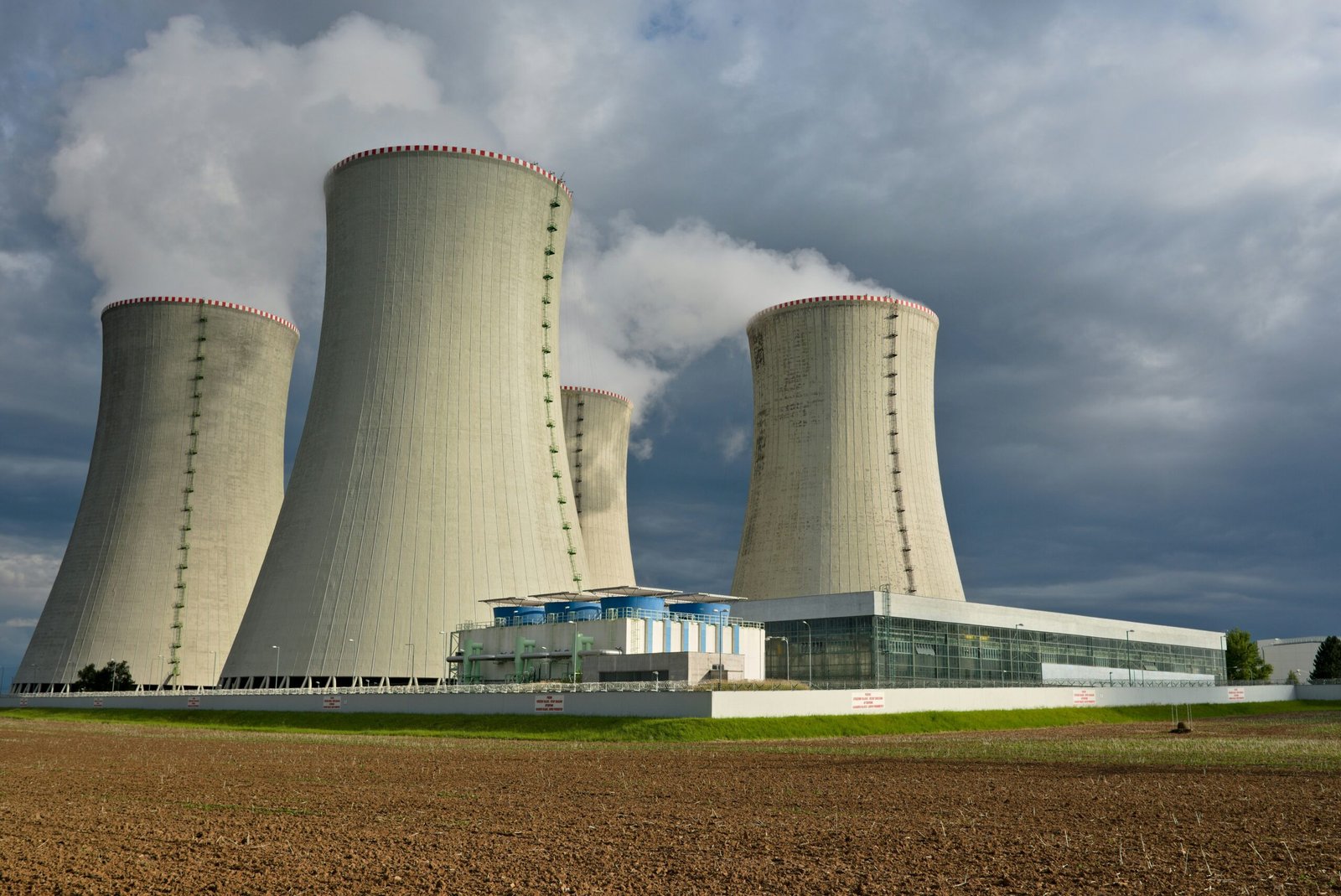
ACCRA-Ghana – Ghana is no stranger to grand energy ambitions. For nearly two decades, the country has spoken boldly about building a nuclear power plant — a project that its architects say could transform the nation’s industrial base, stabilise the grid, and reduce dependence on an increasingly unreliable mix of thermal and hydroelectric power.
But ambition, it turns out, does not pay for environmental impact assessments.
Ghana’s nuclear power project now risks further delays as critical technical studies required for construction readiness remain unfunded, project officials have warned.
The warning, delivered by the head of the agency tasked with making the country’s nuclear ambitions a reality, lays bare a troubling pattern: a project repeatedly undermined not by technical failure or public opposition, but by bureaucratic neglect.
Stuck Between Vision and Reality
The project is currently in Phase Two — described as the “construction readiness” stage — which requires major site-related technical studies before any further progress can be made.
While operational and administrative funding from the Government, the Volta River Authority, and the Bui Power Authority exists to keep the project office running, money for the key technical activities has not been forthcoming.
Dr. Stephen Yamoah, the Executive Director of Nuclear Power Ghana, was direct about what that means.
The two most urgent needs are a detailed site characterisation and an environmental impact assessment — both of which are fundamental to completing the feasibility assessment and transitioning into actual construction.
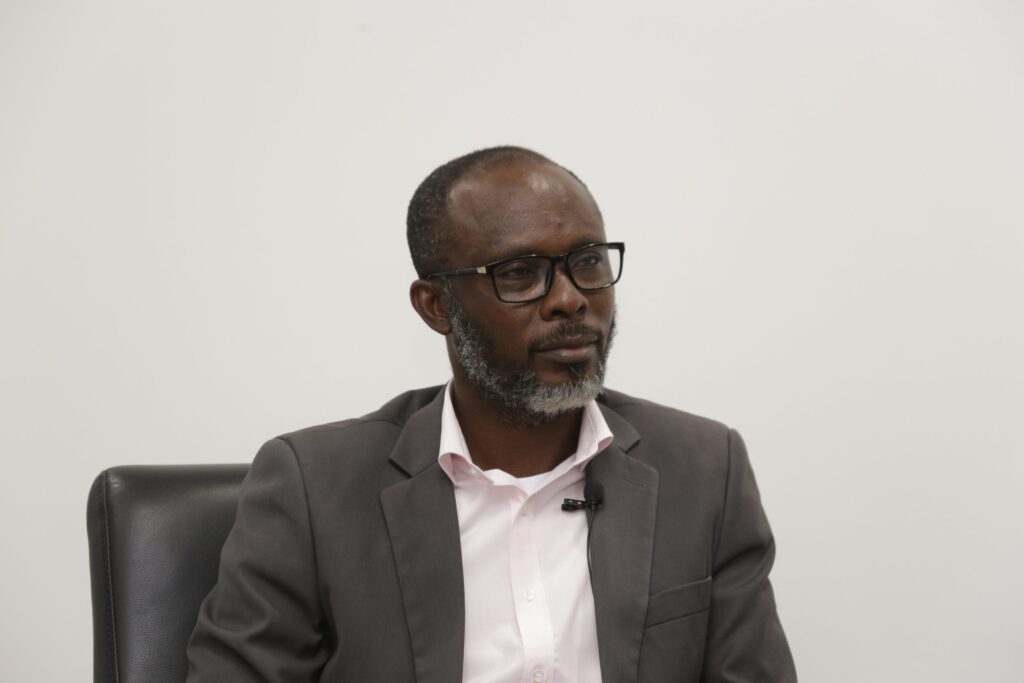
“Without these, the project cannot progress beyond Phase Two,” Dr. Yamoah warned. “If we are unable to conduct the site characterisation and complete the key technical studies, we are not moving beyond Phase Two.”
What the Studies Would Do
The technical work being held up is not abstract bureaucracy. It is the backbone of any serious nuclear infrastructure programme.
Dr. Yamoah stressed the need to procure environmental monitoring, as well as oceanographic and marine equipment, to collect site-specific data for plant design. Without that data, engineers cannot design a plant suited to Ghana’s specific coastal and geological conditions.
Procurement processes, however, cannot begin without a budgetary allocation. A detailed grid impact study was also expected to be undertaken this year.
An assessment that would determine the capacity of Ghana’s transmission system, identify required upgrades to transmission lines, map the construction of new substations, and define safety systems needed to accommodate a nuclear power plant.
In short: before Ghana can build a nuclear plant, it needs to know whether its national grid could even handle one. That study has not yet been funded.
A Pattern With Precedent
What makes this situation particularly sobering is that it has happened before. The same funding gap mirrored challenges experienced during Phase One, which was originally expected to be completed in 2017 but was only finalised in 2019 after delayed government releases for key technical studies.
A two-year delay that time. An open-ended delay now. The question project officials are quietly asking is whether the government has the institutional will to break the cycle — or whether Ghana’s nuclear programme is destined to be permanently stuck between phases.
The Stakes: More Than Just Power
The consequences of prolonged delay go beyond spreadsheets and timelines. Dr. Yamoah cautioned that prolonged delays could lead to public disinterest, community frustration, and political fatigue.
Stakeholder engagement efforts are ongoing, but officials warn that without visible progress, momentum could wane.
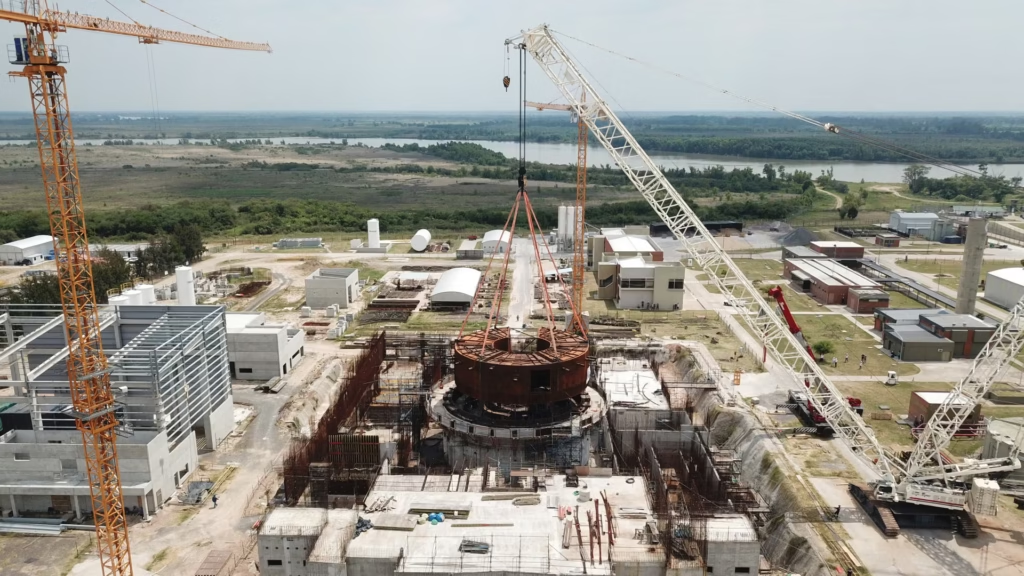
There is a real human cost to that momentum loss. Ghana has already made political commitments to include nuclear power in its energy mix — to reduce reliance on fossil fuels, mitigate climate change, and enhance energy security.
The plant, when eventually built, is expected to support industrialisation, compensate for declining hydro sources, lower electricity tariffs for industries, and create jobs.
Each year of delay is a year those benefits are deferred — and a year that the communities near the proposed site wait for the promised development dividends.
A Long Road Back
Ghana’s nuclear ambition, originally disrupted by a coup in the 1960s, was revived in 2008 and has since received technical support from the International Atomic Energy Agency (IAEA). The country is among several African nations pursuing nuclear energy to tackle power challenges and drive economic growth.
In 2021 and 2023, Ghana issued requests for information and follow-up engagements to vendors to partner with the country on the project.
The vendor selection process started with a review of 15 responses to the government’s call, before a technical team guided by the Energy Ministry shortlisted five and eventually chose the final two.

That work — years of diplomatic engagement, technical review, vendor negotiations — now sits idle, waiting for a budget line that would cost a fraction of what the delays themselves are costing in lost time, lost momentum, and lost credibility.
What Happens Next
Dr. Yamoah has called directly on the government to intervene with the funding needed to unlock the site characterisation and environmental impact assessment work.
Whether the Mahama administration — which inherited this project along with a constrained fiscal environment — will find the room to prioritise it remains an open question.
Ghana is still navigating an IMF programme, and capital allocations for long-horizon projects face stiff competition from more immediate fiscal pressures.
But the window is not indefinite. Nuclear programmes, by their nature, require sustained institutional momentum. Once that momentum breaks — once the engineers disperse, the vendors move on, and the public grows cynical — rebuilding it is far harder than maintaining it.
Ghana has already learned that lesson once. The question is whether it will have to learn it again.
This article was edited with AI and reviewed by human editors