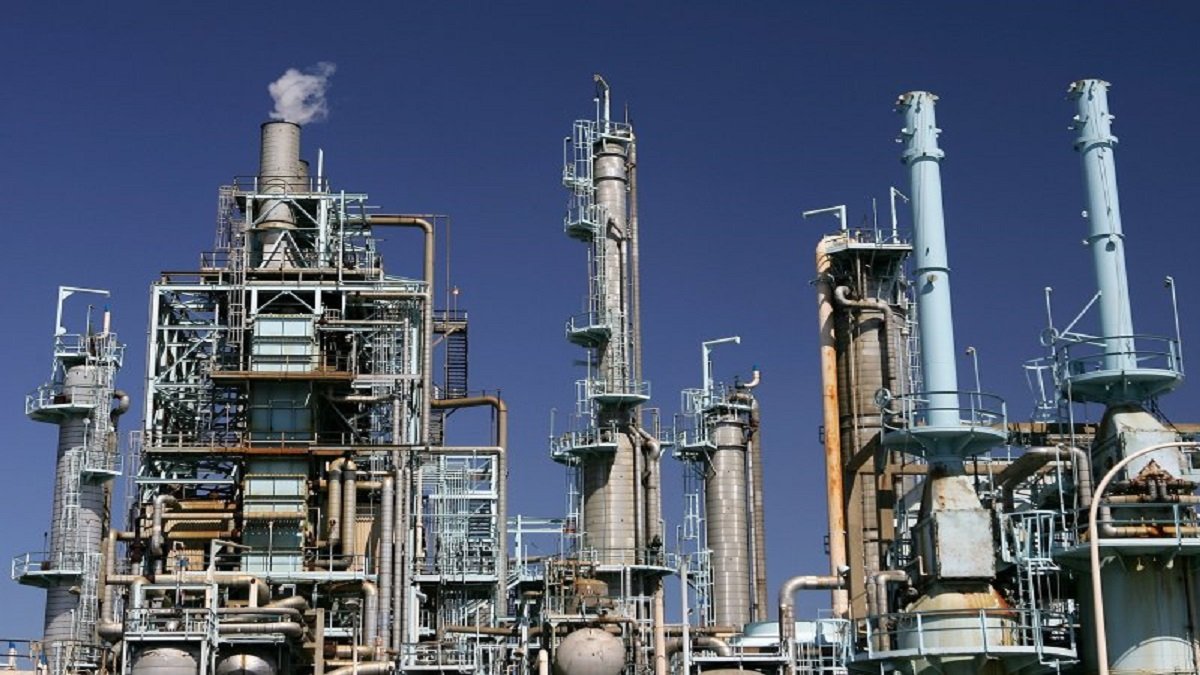
On Monday, 22nd December, the massive steel stacks of the Tema Oil Refinery (TOR), once a shimmering symbol of post-colonial self-reliance, came back to life.
The $500 million facility, which had been dormant due to economic mismanagement, was reactivated, much to the delight of local Ghanaians.
In a statement, management of the refinery attributed the reactivation to the successful completion of major Turnaround Maintenance (TAM) works on the Crude Distillation Unit (CDU), which took place from 1st August, 2025 to 30th October, 2025.
But after years of inactivity and mounting debt, will the celebration of its re-opening be short-lived?
A Heritage in Rust
Founded in 1963 by Ghana’s first president, Kwame Nkrumah, the refinery was designed to ensure that the newly independent nation would never be beholden to foreign powers for its energy.
For decades, it worked. But by 2017, the machinery began to fail.
A series of fires, combined with a staggering debt of over $300 million—which has since ballooned to over $500 million—forced the plant into a “prolonged coma.”
Without a local refinery, Ghana was forced to export its raw crude and spend roughly $400 million per month to import refined petroleum.
The Shadow of Sentuo
Perhaps the most heated controversy surrounding the revival is the presence of the Sentuo Oil Refinery, a private, Chinese-led project commissioned just last year.

For months, rumors swirled that the state-owned TOR was being prepared for a “backdoor takeover” by Sentuo.
While management has vehemently denied these claims, the optics were difficult to ignore. Sentuo currently pays TOR to use its storage tanks—a reversal of roles that has infuriated labor unions.
A Phased Recovery
The current managing director, Edmond Kombat, is taking a cautious approach with the revival of the recovery.
The refinery will operate at a capacity of approximately 45,000 barrels per stream day, focused on stabilizing the aging systems before a formal recommissioning. They plan to expand the capacity to 60,000 barrels.

A new furnace, the F-61, has been installed to boost reliability and will be commissioned at a later date.
Rough Road to Recovery
The most immediate threat to TOR’s longevity is its balance sheet.
As of late 2025, the refinery’s debt has ballooned to an estimated $517 million.
Because of its history of defaults, TOR may struggle to find international banks willing to provide the “Letters of Credit” needed to buy crude oil.
The plant’s inability to process Ghana’s own crude from the Jubilee and TEN fields remains a glaring strategic flaw.
Without a $25 million to $40 million investment in a second-stage cracker or specialized air coolers, the refinery will remain dependent on importing “heavy” crude from Nigeria or the Gulf—leaving it vulnerable to the very foreign exchange fluctuations it was revived to prevent.
This article was edited with AI and reviewed by human editors