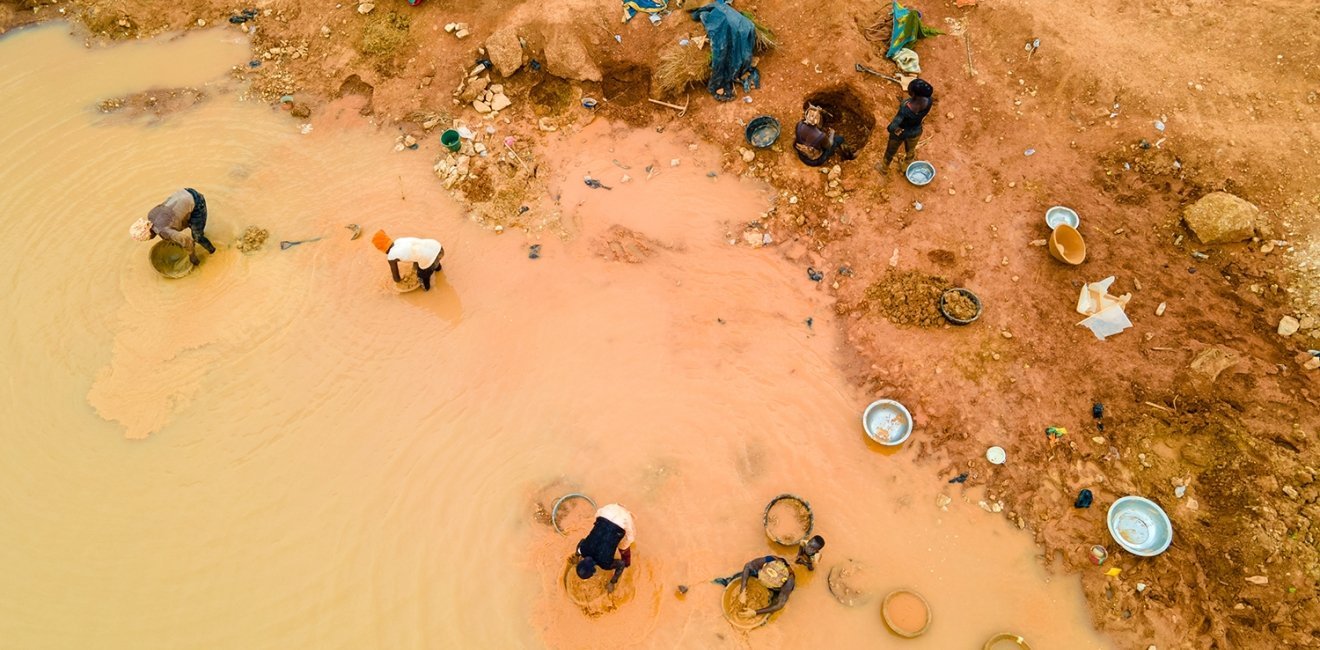
JAKOBU, Ghana — In the lush hinterlands of the Ashanti region, the sound of heavy machinery often signals progress.
But in the Amansia Central District, the rhythmic thumping of “Chanfan” machines signifies something far more sinister: a marketplace where environmental catastrophe is bought and paid for with the stamps of the state.
An investigation by JoyNews, a Ghanaian media organisation, has pulled back the curtain on a “pay-to-destroy” syndicate that has effectively legalized illegal mining through a sophisticated extortion racket.
In a region where rivers run the color of milky tea and forest reserves are being hollowed out, the crisis is no longer just about rogue miners: It is about a government infrastructure that has transformed itself into a mafia-style protectorate.
A Bureaucracy of Bribery
The investigation reveals that illegal mining, or galamsey, is not merely being tolerated by local officials; it is being administered.
Undercover reporters posing as prospective miners were led through a bureaucratic maze that looked remarkably like any other municipal service.
At the heart of the operation is the District Chief Executive (DCE), Emmanuel Akwasi Amoah.
On recorded tapes, Mr. Amoah confirms that a task force operates under his direct instructions to collect “fees” from miners.
What follows is a systematic pipeline of cash: 3,000 Ghana Cedis for a single machine, a payment that buys a “warrant sticker” to ward off arrests.
The investigation tracked these payments not to private pockets in dark alleys, but to official bank accounts labeled “Main IGF” (Internally Generated Funds).
“Permission to Destroy”
The cruelty of the system was perhaps best captured on the steps of the district assembly, where a desperate woman—a small-scale miner—waited for “permission” to resume her work after her machines were seized.
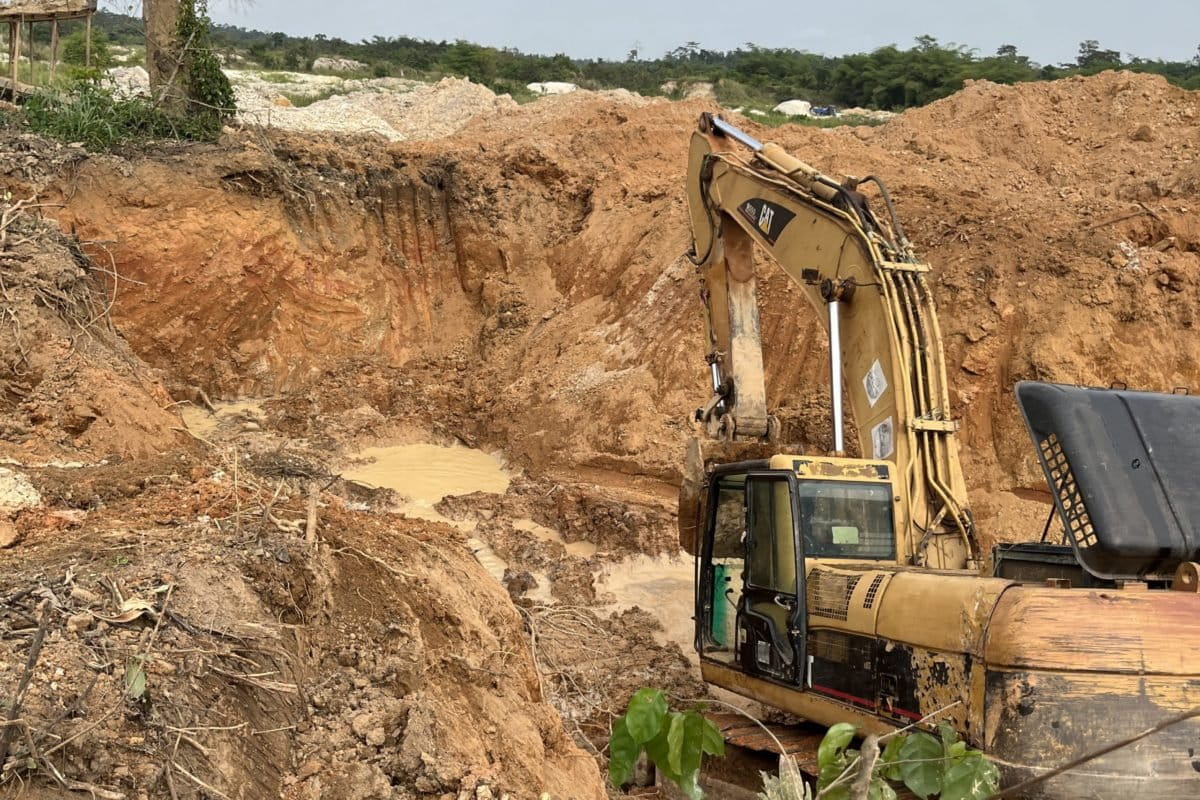
She was not there to seek justice or a legal permit; she was there to pay the ransom required by the very officials sworn to stop her.
The consequences are more than just fiscal.
Health officials warn that the metals used in these unregulated sites are causing a quiet “genocide,” poisoning the kidneys, livers, and brains of local residents.
The Failure of the “Whip”
For years, the Ghanaian government has promised to “crack the whip” on galamsey.
Yet, the JoyNews report suggests the whip is being held by the same hands that are collecting the coins.
By embedding the extortion into the district’s financial structures, local officials have created a “bogus” justification of revenue generation to mask criminal activity.
As the forests of the Aprama Reserve continue to fall, the message from Amansia Central is clear: the fight for Ghana’s environment cannot be won as long as the state itself is selling the permits for its destruction.
This article was edited with AI and reviewed by human editors