Irene Donati perches on her petite couch in her apartment in Accra on a casual Sunday afternoon, ready to begin our interview.
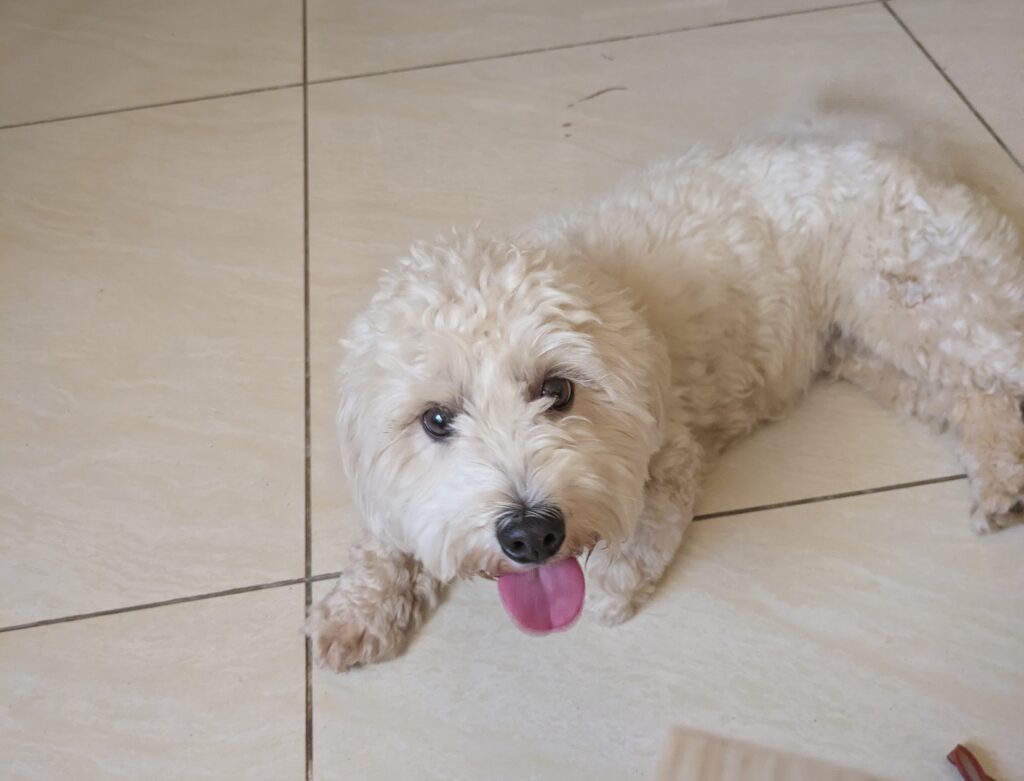
The 46-year-old Italian marketing professional, sporting blonde highlights mixed in with her natural brunette hair, had just finished an afternoon walk with Frida, her Maltipoo pet dog.
Donati, who speaks with a distinct Italian accent and sports tattoos on both arms, can look out of place in Ghana, a country she has lived in for close to 12 years.
The outspoken Italian has made quite a reputation for herself since coming to the country in 2013.
How she found her way to the Western African nation of close to 33 million people is not a straight narrative.
“My life’s never been a straight line,” she said as we began the interview.
Over the nearly two hours of conversation — punctuated by Frida’s insistent barks and Donati’s unfiltered asides — she narrates her story that’s equal parts triumph, trauma, and tenacious reinvention.
From working with big-name brands, testing the waters with local tech and media startups, and now jumping headfirst into her own agency, Donati’s journey is an interesting case study.
She’s also unfortunately endured career setbacks and dealt with both mental and physical health issues during her lengthy stay in Ghana. So why does she choose to stay?
“Ghana’s not perfect,” she admits, her eyes narrowing. However, she emphasised that other places like the US and Europe are not as great either.
“Europe is a mess right now“, she said as Frida galavanted around the living room, a theme that continued throughout the interview.
The Firecracker from Rieti
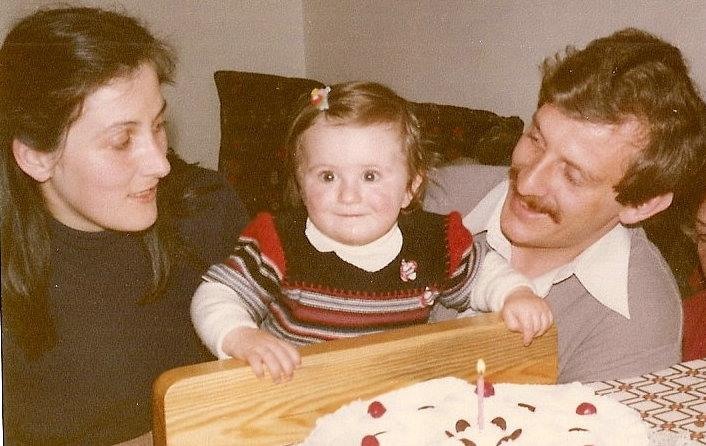
Irene Donati was born in 1979 in a town outside Rieti, an hour from Rome in Italy. Growing up, she stood out amongst other children. At three years old, she was already reading.
“They told me that when I was three years old, I was able to read. I was already reading books, and the other kids were doing letters.”
Although she does not consider herself rebellious, Donati has always had a fighting spirit.
“In Italy, we have this culture of protest, and you’re always fighting for the good causes. I remember the first pro-Palestine march I was probably in high school.”
Music was her creative outlet. She took piano lessons at seven and was part of a band at 14. More often than not, her bandmates sought permission from her father to go on night outings to sing.
She later studied Literature and Culture of Latin America at university, much to the surprise of her family.
“I chose something that was completely different from what everyone was expecting.”
She transitioned to a Master’s degree in Marketing and Communications, again surprising her family, who thought her earlier degree would translate into a career as a teacher or a similar role.
After university, she started working for a small local agency and eventually started her own business with her partner at the time. The partnership did not end well.
“He wasn’t nice,” she said flatly, not wanting to dive into the details about her toxic partner.
After the fallout, Donati moved to Rome to work for an organisation called Filmmaster, and then transitioned to Milan to work in advertising.
According to Donati, Milan was not a particularly bright spot in her life.
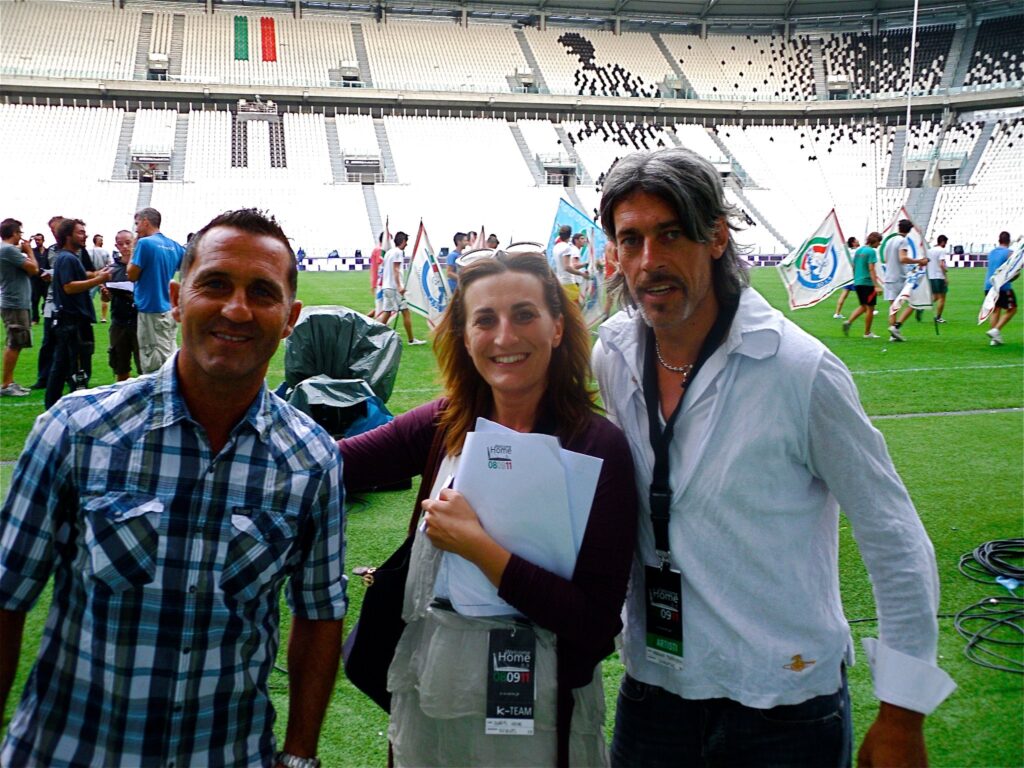
“The weather was terrible for me, but also it wasn’t the best time personally in my life. I’m always going through something.”
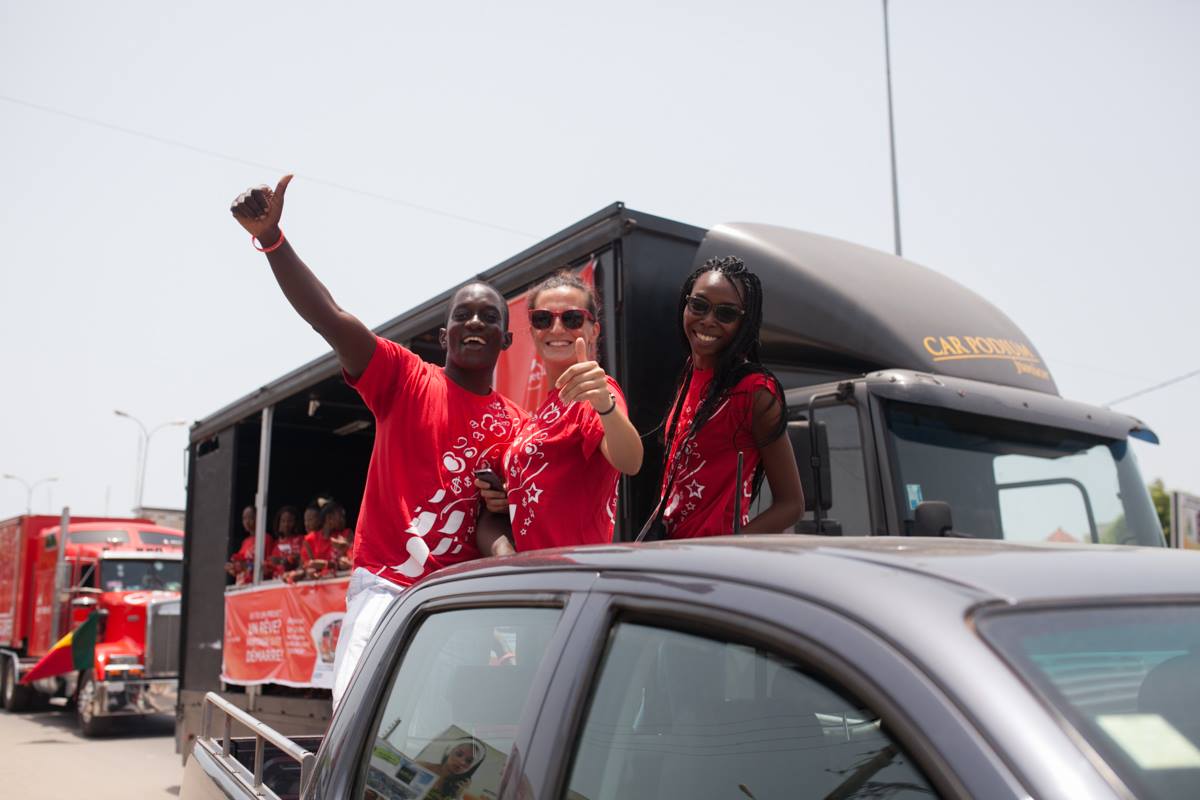
Looking for a change of scenery, Donati came across an ad on LinkedIn seeking persons interested in going to Ghana to work for a new agency.
She applied for the position, a decision which surprised her family. Her mother, in particular, was “a bit scared” about the move.
“I wanted to do something different with my life. That’s always been my thing“, Donati said about the decision to take the job.
In 2013, Irene Donati booked a flight to Ghana, expecting to work only for two years.
“I was an Italian making noise and being loud”
“We Europeans? We’re idiots,” Donati said about her first experience in Accra.
The agency had briefed her to run the company in Accra as it was done in Milan. But it turned out to be a strategy that was culturally tone deaf.
According to Donati, the first weeks were rough.
“Two weeks in, no one talked to me. They thought I was a witch.”
Her Italian bravado (which includes a lot of swearing) clashed with Ghanaian culture, which is more reserved in both work and social settings.
“Something that you do can be considered rude in Ghana. I was an Italian making noise and being loud. I didn’t know,” she said, acknowledging her European directness and lack of cultural awareness.
Fortunately, Donati got acquainted with her new surroundings thanks to an Ivorian manager called Helga, who became her “local guide“.
She immersed herself more into the local experience by joining a company road trip that explored the length of Ghana and other countries, including Togo, Benin, and Nigeria.
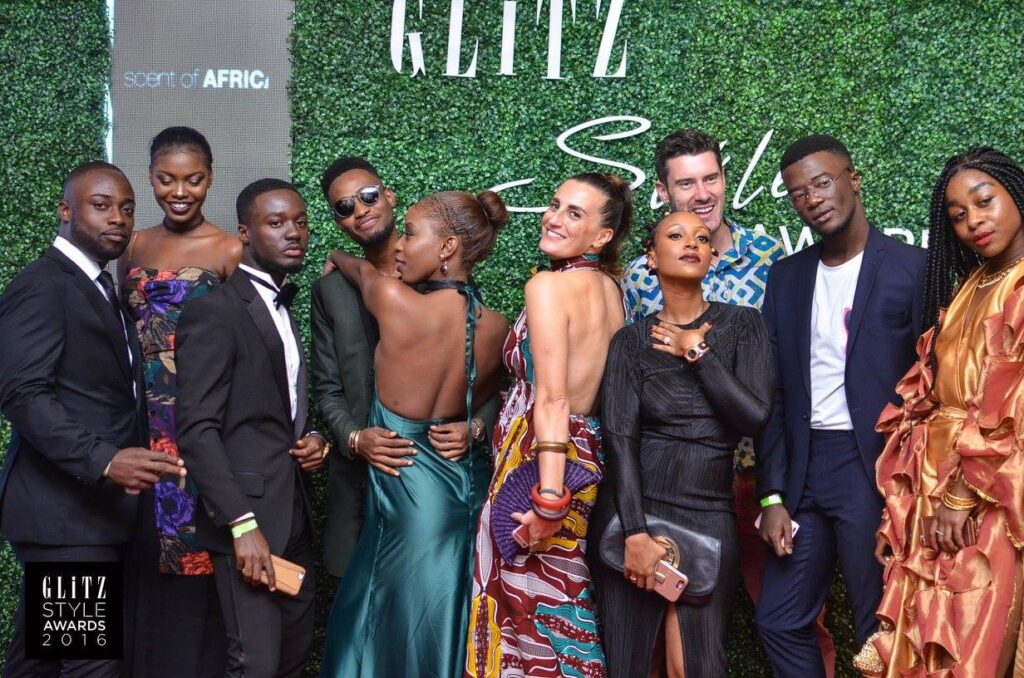
According to Donati, immersing with local creatives “saved” her from being that “asshole in the expat bubble.”
Building A Public Profile
Donati’s two-year stint was coming to an end, but she decided to extend it.
After her contract with the agency ended, she found herself at SQUAD Digital (the digital leg of both UK agency Ogilvy and SCANAD). However, the experience was short-lived after she called out expat inequities.
“I did not like the way they treated my Ghanaian colleagues. I didn’t shut up about it.”
She later joined the media startup OMG Digital, which at the time was considered the “BuzzFeed” of Ghana. The company raised $1.1 million in 2017 from venture capital.
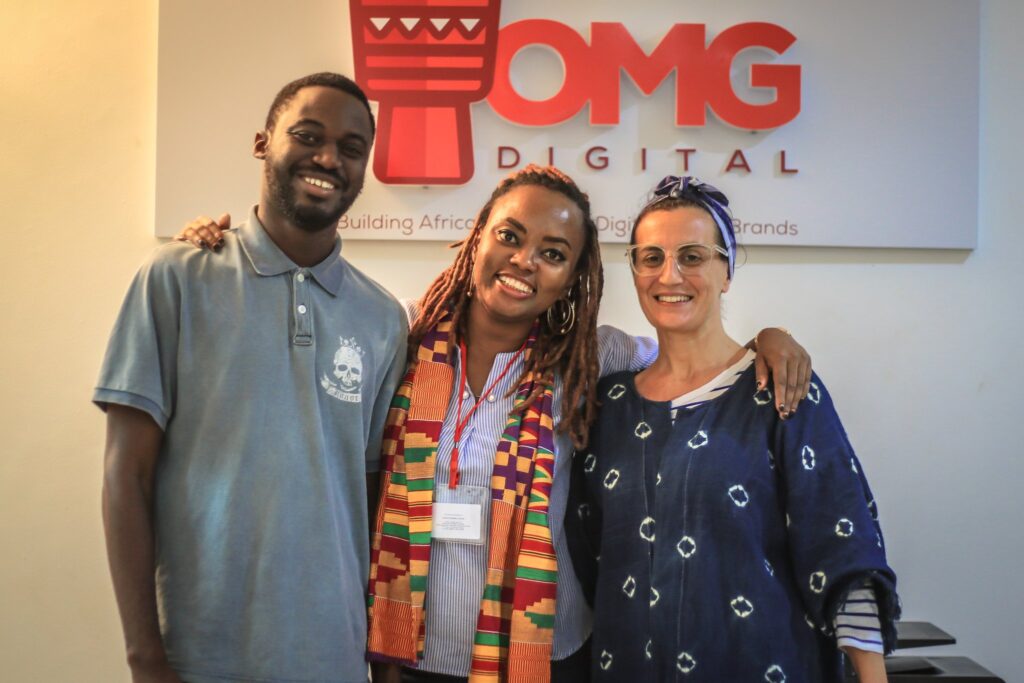
Unfortunately, the startup would later fold, and Donati once again found herself out of work.
Luckily, she rebounded when one of the founders from OMG asked her to join a new fintech company he was starting.
Seemingly running on bad luck, Float, the new fintech company, which raised a record $17 million in a seed funding round, shut down after a couple of years due to internal financial issues.
“They were cool experiences because I started understanding how venture capitalists actually think,” Donati said about working for both OMG and Float.
But she’s not a fan of the whole venture capital approach.
“I feel like Silicon Valley is equally responsible when they do this type of funding. They don’t care about the impact on the ground. They want to see your numbers so they can sell you and make the money back.”
In between startup work, Donati engaged more with Ghana’s creative scene.
She pitched her support and helped organise fundraisers for Black Girls Glow, a feminist initiative started by Ama “Poetra” Asantewaa to create space for female artists.
She advised and provided expertise to local artists, including Worlasi, Ria Boss, and La Meme Gang.
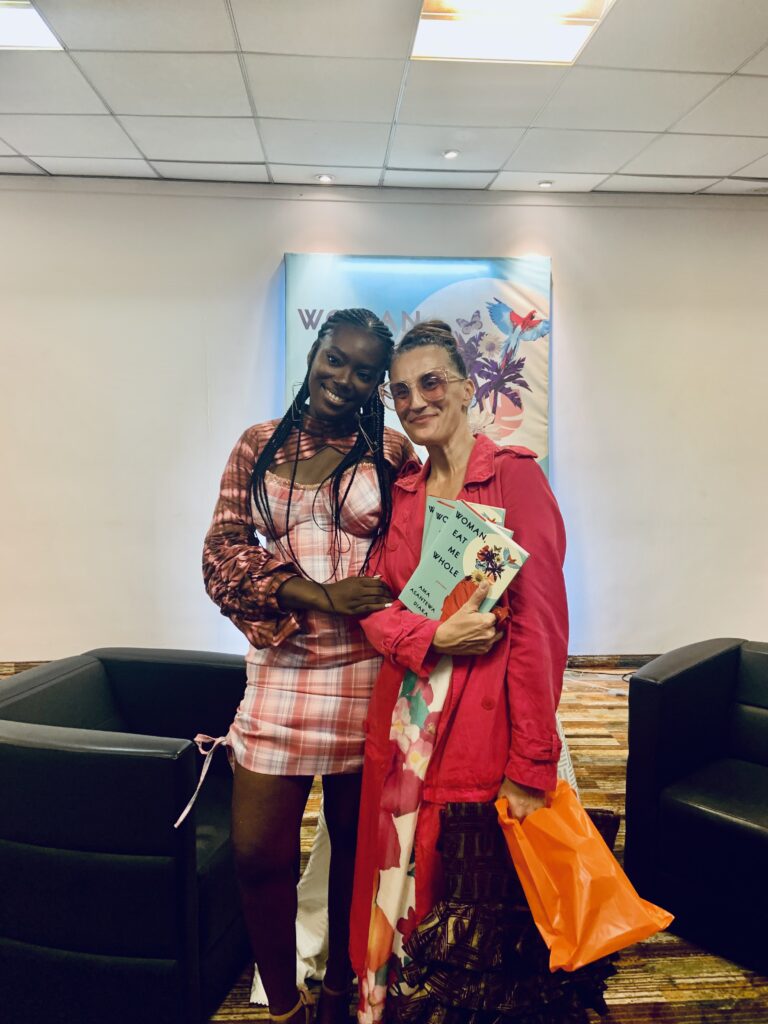
Occasionally, Donati would butt heads with some folks in the local creative space.
She stepped on toes with her blunt critiques of some local creatives (“Some influencers aren’t influential“) and was once accused of being a “culture vulture” because she was a white woman speaking on local Ghanaian issues.
More negativity would follow.
After OMG and Float, a working relationship with a corporate firm turned sour, adding to Donati’s list of burned business bridges.
When 2020 came around, COVID-19 and the lockdowns took their toll on everyone. Donati was not spared.
“My life was hit very hard. That’s when I got pregnant, but I had a miscarriage,” she said solemnly, choosing not to dive into details.
She also revealed she had been diagnosed with Fibromyalgia, a chronic disorder that manifests symptoms including fatigue, muscle stiffness, and insomnia.
“So that’s like my body being like, ‘you’re doing something that goes against who you are‘, she said about the overwhelming workload she endured.
The lack of work during lockdown, a chronic condition, and continued isolation manifested to depression. Donati said this time in her life was “the lowest of the low“.
Rhythms of Reinvention
As the COVID-19 pandemic wound down, Donati would pick herself up and work on a new project.
She partnered with Mensa Ansah, aka M3NSA, a popular producer, musician, performer, and filmmaker, and one-half of the popular Ghanaian duo, Fokn Bois.
M3NSA had a new album, “Bondzie“, on the way and needed help with marketing and promotion.
“I actually asked him if I could help with the strategy,” she recalls their conversation at a local concert in Accra. “I listened to the music and I was like, ‘Oh my god, this is amazing’.“
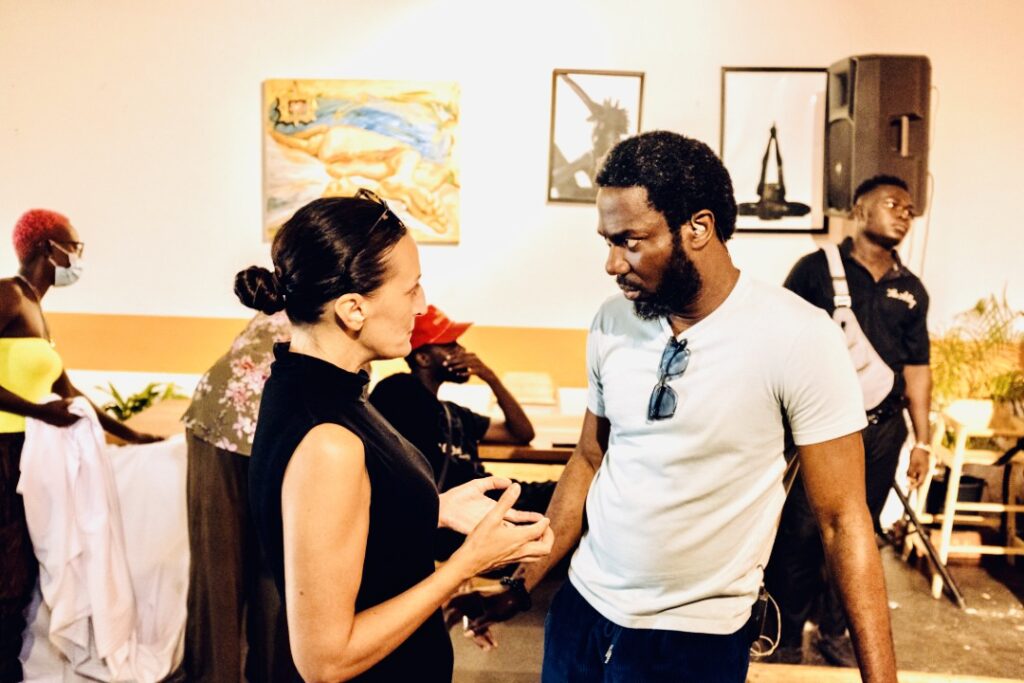
They considered multiple strategies for marketing and eventually agreed on using Kickstarter to raise funds, a first for a Ghanaian artist.
“We needed the money to print vinyl, pay designers, and film music videos. We did some pretty cool work.”
Donati said work on the album took a toll on both of them. They frequently held Zoom calls, sent boatloads of WhatsApp messages, and worked on social media posts to promote the album.
At one point, Donati stepped in to help with a music video shoot.
“I ended up directing a music video because everything was going wrong that day“, she said about the time she went behind the camera.
“I don’t know how to direct shit. And it’s like, just go behind the camera and tell them what to do. But the video ended up being super cool.”
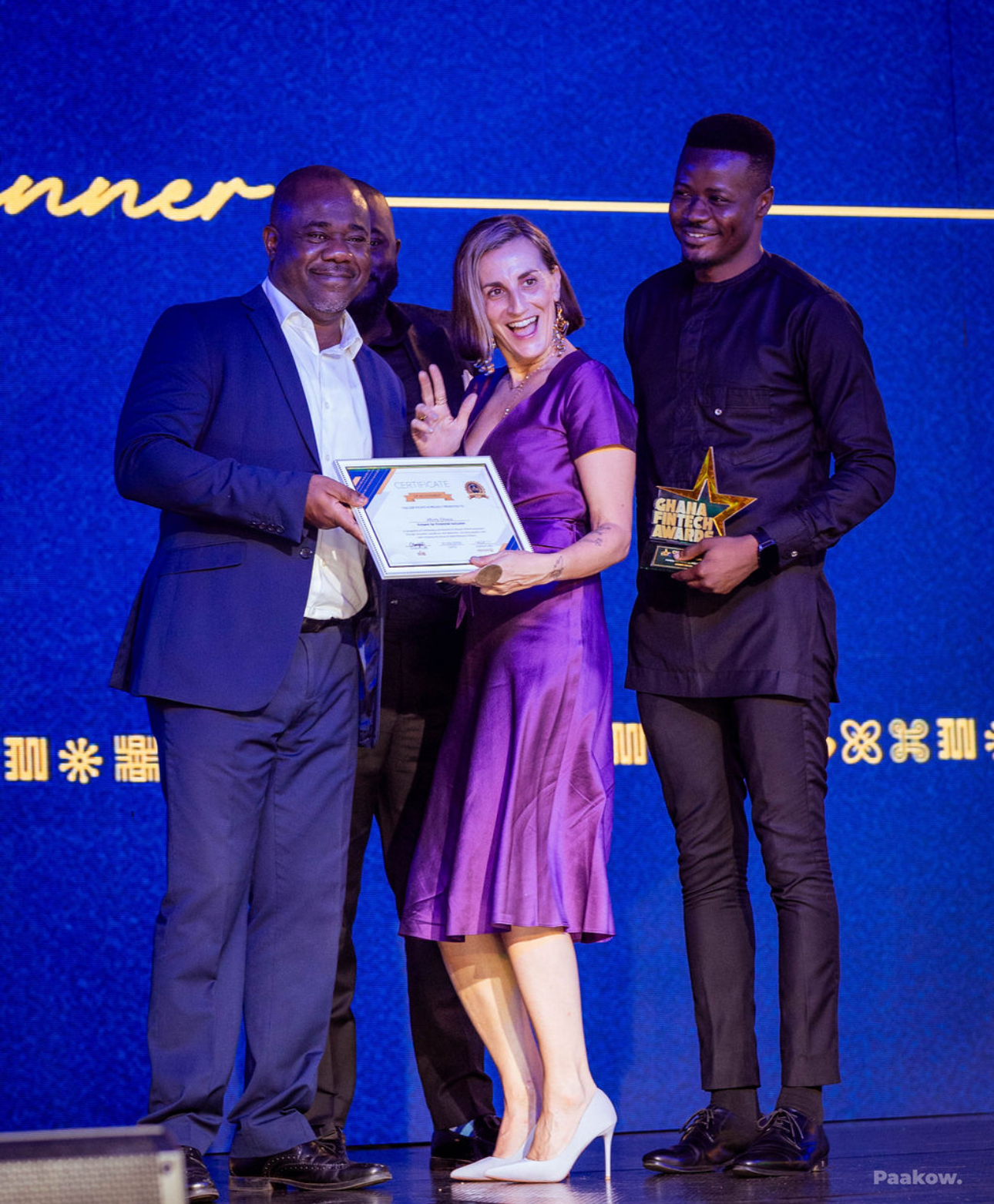
Luck would shine on Donati again when she was hired to work for the Ghanaian fintech startup Affinity Africa.
She roped in M3NSA to help with one of the company’s earlier advertising campaigns.
At present, Donati is no longer associated with Affinity. Compared to her previous working relationships, this work separation was more subtle and mutual.
“I guess the relationship was finished. Sometimes you give what you have to give, and it just finishes. And it’s different from the past jobs. It’s like, okay, you’re going your own way on your own terms.”
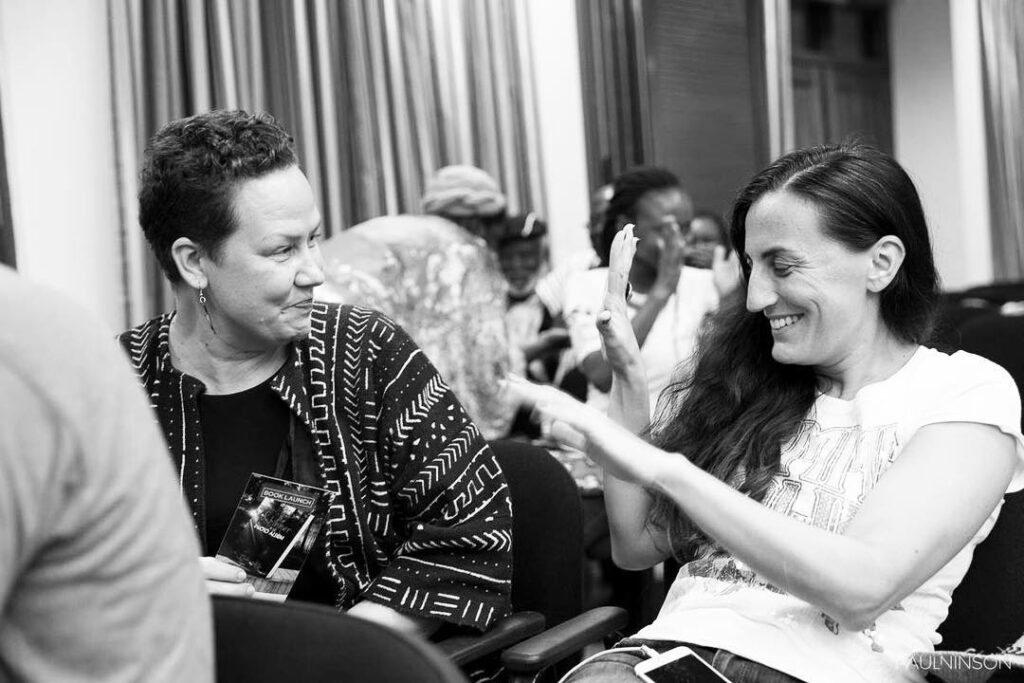
“I think I made good connections with some people here. They encourage you to stay and continue building. I love a lot of people around me, and they love me back.”
Irene Donati
Finding Peace
Earlier in the day, before our interview, Donati had met up with her therapist for a scheduled session. Therapy has helped her unpack past trauma and recent misgivings. She credits the sessions for massively improving her mental health.
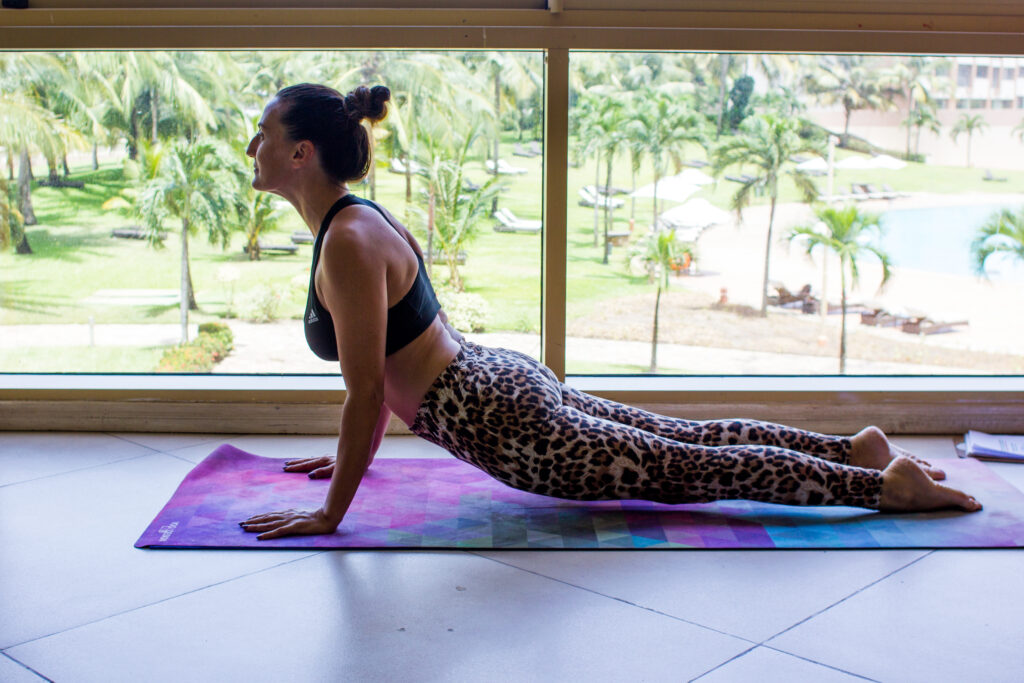
“I’m really grateful about the fact that at some point, there was something left inside of me that was like, no, we can’t continue this way. And that’s when I started therapy,” she said, noting the fact that her new therapist has been very influential in her healing process.
As we wrap up the interview, the topic of her decision to stay in Ghana comes up again. Why stay, especially after all the multiple setbacks, “culture vulture” accusations, and mental breakdowns?
“I think I made good connections with some people here. They encourage you to stay and continue building. I love a lot of people around me, and they love me back.”
One of those connections is with NanaAma Botchway, founder of N. Dowuona & Company, a law firm based in Accra. Donati, who helped the firm with some consulting work, said Botchway was instrumental in helping regain traction with work.
“She’s a star in the corporate world and helped me regain my confidence,” Donati said about their relationship. “Working with her is what really keeps me going because there is this friendship that is very honest but also the work is very cool.”

Next year, Donati said she will be focused on her new agency, MI+DA Stush (co-founded with M3NSA). It will be a boutique creative production house focused on flexible, project-based storytelling that blends high-level strategy with raw creativity.
“We’ve already created small documentaries, music videos, behind-the-scenes situations, interviews, like all these things. We know how to create content. I think it’s always been very, very unique.”
As Frida nuzzles her leg, Donati smiles. “I’m very grateful for Ghana,” she said, picking up the furry animal.
Despite all the setbacks, she’s thankful for all the friends and community she’s built along the way.
“At least here, I feel like if you have the right spirit, you can create things. You can figure something out.“