


STORY HIGHLIGHTS
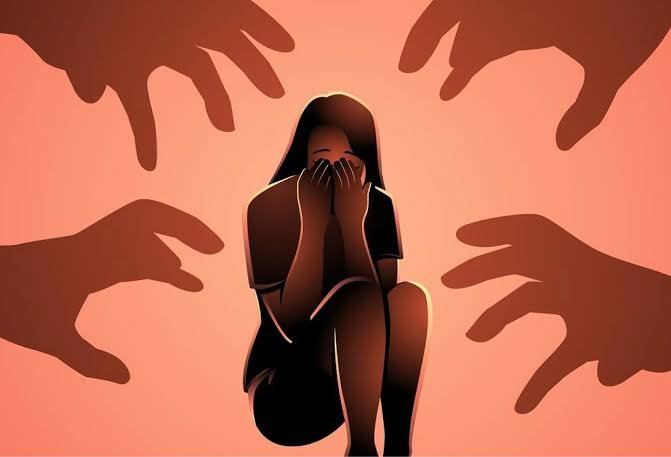
- Ghana records an estimated 15,000 cases of gender-based violence annually, with rape consistently among the country’s most prevalent serious crimes
- The Domestic Violence and Victim Support Unit (DOVVSU) is the primary law enforcement mechanism for sexual violence cases — but is chronically under-resourced
- Victims must pay between GHC 300 and GHC 800 for a mandatory medical examination, creating a financial barrier that causes the majority to abandon their cases
- More than half of rape and defilement cases reported to police are ultimately withdrawn for out-of-court settlement — a practice that is itself illegal under Ghanaian law
- Cultural stigma, victim-blaming and community pressure from religious and traditional leaders further erode the path to prosecution
In Ghana, sexual violence is not a marginal issue. Statistics compiled by DOVVSU show that 1,047 girls were defiled and 305 women were sexual assaulted in 2020 alone — figures the Director-General of the Criminal Investigations Department (CID), Mr. Isaac Ken Yeboah, described as alarming.
He added that approximately 15,000 cases of violence against women were reported to law enforcement agencies annually — and that reported cases represented only a fraction of actual incidents.
The trend is not new.
According to research, sexual assault was Ghana’s fourth most common crime between 2007 and 2011, rising to the third-highest ranking in 2012.
In 2016, there were 497 reported cases of sexual assault — a 10% increase over the previous year’s figure of 451 — while 2017 saw the number climb again to 514.
Yet despite these figures, the pipeline from report to conviction remains broken at almost every stage.
What DOVVSU Is Supposed to Do
The Domestic Violence and Victims Support Unit of the Ghana Police Service was established in October 1998 — originally under the name Women and Juvenile Unit (WAJU) — as a specialised unit formed in response to increasing reports of abuse and violence against women and children. Its name was changed to DOVVSU in 2005 to make the unit accessible to all victims, including men.
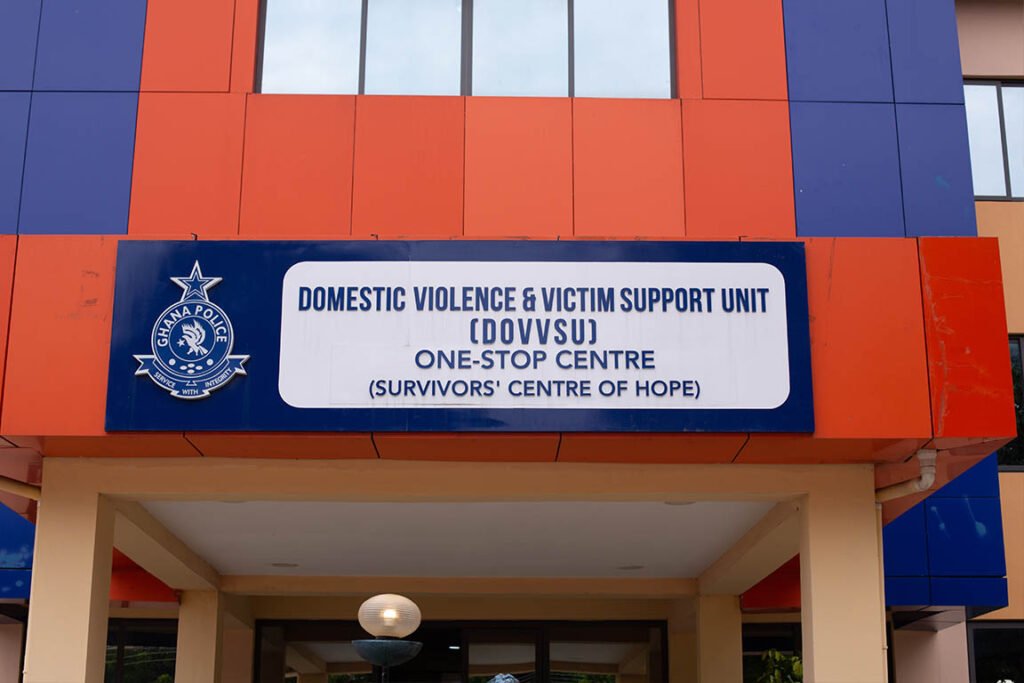
On paper, its mandate is comprehensive. DOVVSU is expected to protect the rights of vulnerable persons against all forms of abuse, take statements professionally, provide victims with information on their cases, refer victims to medical services and clinical psychologists, and collaborate with NGOs and civil society organisations that may offer additional support.
In practice, the unit functions as the country’s primary — and often only — institutional gateway to justice for survivors of sexual violence. Less than 12 percent of victims of sexual abuse report their cases to DOVVSU, and of that number, about 73 percent involve defilement and 27 percent rape.
The implication is stark: the overwhelming majority of assaults never reach the police at all.
The Cost of a Medical Form
For those who do report, the next hurdle is financial. Under Ghanaian law, a medical examination is required to build a prosecutable rape case — it is the foundational piece of evidence in any criminal proceeding. But that examination is not free.
Ghana’s Medical Association has stated that doctors can charge up to approximately $125 to fill out police medical forms and up to $300 to provide a medical opinion for legal purposes.
For many survivors — particularly those from rural communities or the informal economy — this is an insurmountable sum. The minimum doctor’s fee for filling out a police medical form is 300 cedis, which is roughly twice the average monthly earnings of informal sector workers.

The consequences are predictable. A former DOVVSU commander estimated that as many as half of all victims simply cannot afford the medical fee. A social worker attached to the unit reported that for every ten victims given a medical form, at most two or three return — meaning up to 80 percent abandon their cases at this stage alone.
DSP Efia Tenge of the Ghana Police Service acknowledged that victims who cannot afford the examination simply do not return, leaving their cases to lapse.
Actress and activist Ama K. Abebrese, who launched a public petition on the issue, has been blunt about what this means: “If you don’t get that medical report, essentially, the case to prosecute dies right there and then.”
Cases Withdrawn, Justice Denied
Even when survivors do manage to obtain a medical report, they face a second front of pressure: community interference.
DOVVSU’s Northern Regional Coordinator, Emmanuel C. Horlotu, has warned that after sufficient evidence is gathered for prosecution, many cases are withdrawn by victims or their parents due to pressure from religious leaders, traditional leaders, or family members.
The data bears this out. According to information gathered from the Ghana Police Service in Cape Coast, between June 2015 and June 2016, nearly 20 of 36 rape and defilement cases — approximately 55.5% — were withdrawn for settlement outside of court. Withdrawing such cases is itself a violation of the law, but enforcement of that provision is rare.
Stigma as a Structural Barrier
Beyond cost and community pressure lies a deeper, more diffuse obstacle: cultural attitudes. Research has found that rape victims in Ghana are frequently ridiculed and stigmatised, and in some cases are blamed for dressing in ways that allegedly provoked their attackers.
Reports of rape are frequently ignored and almost never followed through to a conclusion, with prevention efforts often restricted to warning girls rather than holding perpetrators accountable.
The U.S. State Department’s 2023 human rights report on Ghana noted that pervasive cultural beliefs regarding gender roles and prevailing sociocultural stereotypes pose additional challenges to combatting sexual violence.
A System Struggling to Reform
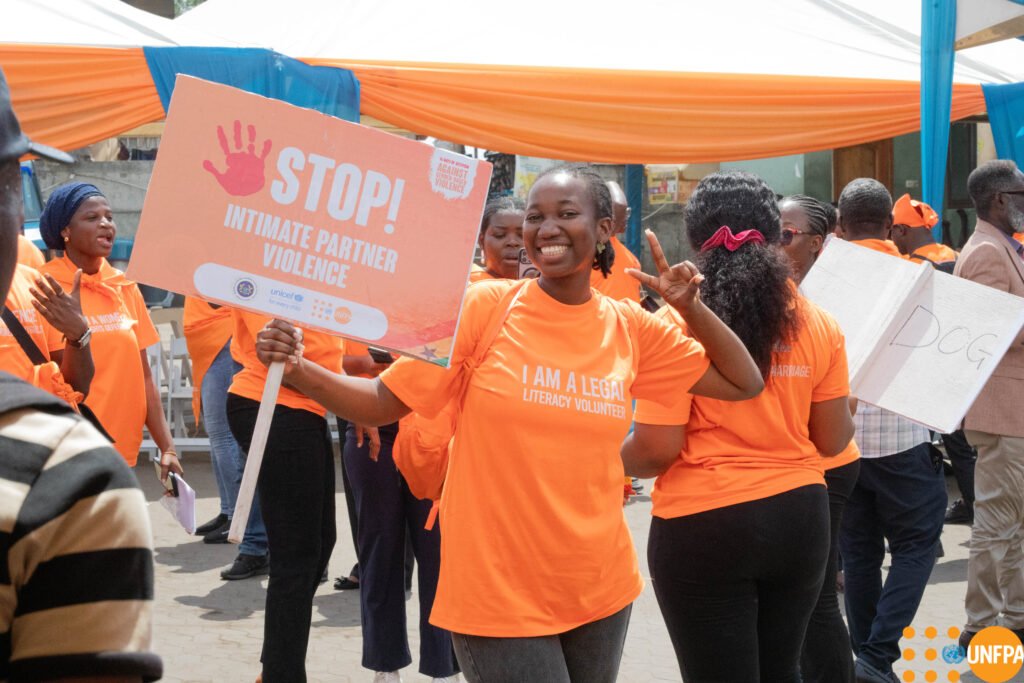
There are signs of incremental change. DOVVSU coordinators underwent capacity building training supported by UNFPA, with a focus on handling sexual and gender-based violence cases in light of current trends — including digital evidence collection and electronic investigation.
The Orange Support Centre, established with UNFPA Ghana support in collaboration with the Domestic Violence Secretariat, and the DOVVSU One Stop Centre on Domestic Violence, established with UNICEF Ghana assistance, are actively working to address barriers survivors face.
But structural reform has lagged.
The U.S. State Department found that few cases in which police identified and arrested suspects for rape actually reached court or resulted in convictions, citing witness unavailability, inadequate investigative training, prosecutorial mismanagement, and a lack of resources on the part of survivors and their families.
A report from the Attorney General indicates that fewer than half of rape cases are completed, due to challenges that arise during prosecution.
Ghana’s rape law does carry serious penalties — a conviction for rape constitutes a first-degree felony, with a minimum sentence of five years and a maximum of twenty-five years imprisonment. But a sentence on paper means little if survivors cannot afford to file a medical form.
Until Ghana addresses the financial cost of accessing justice, adequately resources DOVVSU, and confronts the cultural norms that silence survivors, the law will continue to promise more than the system can deliver.
This article was edited with AI and reviewed by human editors



Follow