


Story Highlights
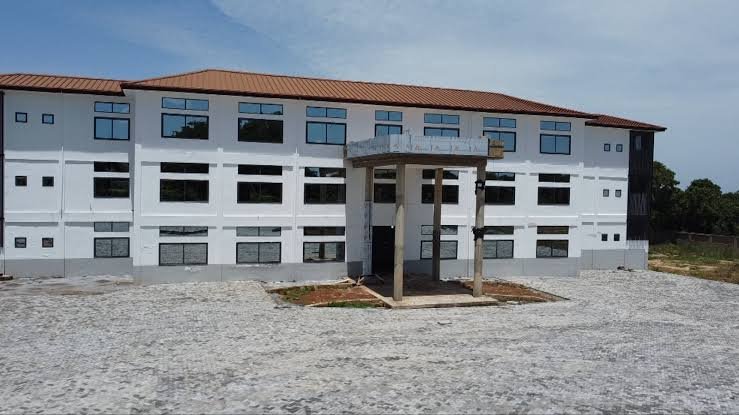
- The Upper West Regional High Court complex in Wa, first started 26 years ago, has again been abandoned by its contractor, Project Seven Limited.
- The Ghana Bar Association’s regional chapter and state prosecutors describe the site as a “cemetery,” with equipment removed and unsecured gates.
- Parliament’s Judiciary Committee disputed the contractor’s claim in May that the project was 90% complete.
- The contractor says it is owed unpaid certificates by the Judicial Service and central government and will return once settled.
Ghana’s Upper West Region, home to 11 administrative districts, has never had a purpose-built modern High Court. Construction on a replacement complex in Wa began roughly 26 years ago, intended to end decades of overcrowding in the region’s judicial buildings.
That promise remains unfulfilled.
Members of the Ghana Bar Association’s Upper West chapter, together with state prosecutors, visited the site on September 4, 2026, and found it deserted.
Equipment had been removed, gates left open, and fittings exposed to theft. Paint applied roughly three months earlier had already begun peeling.
“You will recall that this work was started almost 20 years ago, and it has been one reason or excuse for another,” said Siddique Ubeidu, chairman of the GBA’s Upper West Region branch, referencing an earlier — now widely cited — timeline for the project.
A Troubled Construction History
The complex’s history is one of successive stalls. According to earlier reporting, an initial contractor abandoned the site citing unpaid bills, after which the unfinished structure sat derelict for years — reportedly overgrown with weeds and used as a pen for livestock and a hideout for suspected criminals.
Authorities eventually terminated that contract and handed the project to Project Seven Limited, which restarted work with the goal of commissioning the complex in time for the 2025 Ghana Bar Conference held in Wa. That deadline was missed.
The project has since become a recurring test of official credibility. In April 2026, the GBA’s national executive committee visited Wa and was told the building would be completed within three to four months.
The Chief Justice subsequently dispatched a second delegation, led by Supreme Court Judge Justice Emmanuel Yonny Kulendi and including the Judicial Service’s directors of estates, procurement, court services, and human resources, which assured the bar the complex would be ready within two to three months.
By June, that delegation reported the facility as more than 90% complete, with Justice Kulendi pushing for an October 2026 commissioning date.
Isaac Donkor, identified as the project contractor from Project 7 Ltd, told the Judicial Service team that strict site security had prevented any theft of construction materials.
Parliament Disputes The Completion Figures
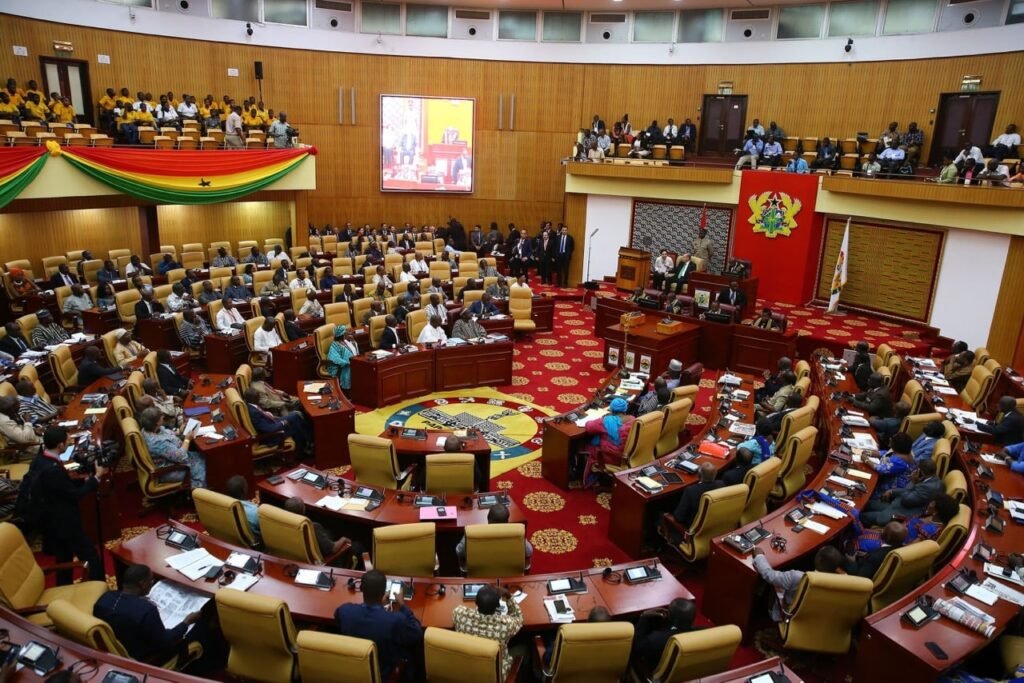
That optimism did not survive scrutiny from Parliament. Members of Parliament’s Judiciary Committee inspected the site in May 2026 and disputed the contractor’s claim of 90% completion, describing the state of work as unsatisfactory.
The committee said it would summon Project Seven Limited to appear before Parliament once the House resumed sitting.
Around the same time, a company director, Simon Sowah, pushed back on suggestions the firm had abandoned the site or misused project funds, saying work was ongoing and that construction materials remained on-site.
He said progress had picked up since payment was released in December 2025, and attributed earlier delays partly to a decision to replace warped door frames with heat-resistant alternatives after consulting Judicial Service engineers.
He also said one payment certificate had taken seven months to process before funds were eventually released, and that the ground floor would be made disability-accessible through ramps at the front and back of the building.
Latest Abandonment Reignites Anger
Despite those assurances, the September 4 visit found the site empty again. Mr. Ubeidu said the contractor’s manner of packing up equipment gave no indication of an imminent return. He said the peeling paint, applied within the last three months, pointed to questions about the quality of work already completed.
Members of the legal fraternity also described the physical toll of operating without the new complex.
Ubeidu said a visit to the operational Wa Circuit Court revealed severe structural deterioration, including cracks inside the judge’s chambers and courtroom, and said staff had no offices, forcing them to share courtroom space with litigants — including for meals.
He noted that former Chief Justice Sophia Akuffo had visited the town years earlier and threatened to shut the court down over its condition, without action being taken since.
Saeed Abdul-Shakur, Principal State Attorney for the Upper West Region, called the delay a national embarrassment bordering on institutional neglect, contrasting the timeline unfavourably with major global infrastructure projects.
He said the region’s High Court, District Court, and Circuit Court all continue to operate from colonial-era and temporary structures, and that lawyers and litigants regularly travel from Accra, Kumasi, and Tamale to litigate in Wa under those conditions.
Crispin Wura-Sey Ziekah, acting secretary of the GBA’s Upper West branch, said commissioning promises tied to last year’s Bar Conference and to the start of the new legal year this October had both failed, and warned that a magistrate at the District Court must wait in his vehicle until proceedings can be assembled.
Contractor Cites Unpaid Certificates
Project Seven Limited has rejected the abandonment characterization. Speaking to JoyNews, company director Simon Sowah said the firm has unpaid payment certificates outstanding with the Judicial Service and central government, and that it will return to the site once government “does the needful” and settles what it is owed.
Separately, the shortage of judges in the region has compounded the infrastructure gap. Reports from May 2026 noted that the Tumu District Court has no substantive judge, delaying cases from the Sissala area, with a Wa-based judge occasionally travelling to hear matters there amid poor roads and a lack of official vehicles for lower-court judges.
What Comes Next
Legal practitioners have appealed directly to the Chief Justice, the Attorney General, and the Minister for Justice to intervene, compel the contractor and project consultants back to the site, and ensure the facility is completed and operationalised.
Parliament’s Judiciary Committee has indicated it intends to summon Project Seven Limited to account for the discrepancy between its completion claims and what inspectors found on the ground.
This article was edited with AI and reviewed by human editors



Follow