A new report from the Ghana Statistical Service (GSS) paints a nuanced portrait of bribery in public services.
In the report, it notes that while fewer Ghanaians say they are giving gifts or money to officials, those who do are doing so more frequently.
A Decline, and a Contradiction
Between January and June 2025, 14.3 percent of survey respondents reported giving money or gifts to public officials — a drop from 18.4 percent in the previous wave of the GSS Governance Series.
Yet, among that declining group, the intensity of giving is surging.
The share of people who said they gave gifts five or more times in the period jumped from 6.9 percent to 24 percent.
This would suggest that bribery may be becoming more concentrated among a smaller, but more persistent, subset of the population.
Money Still Dominates — but the Nature of Gifts Is Shifting
Cash remains the most common form of gift, with more than half of those who gave estimating their offerings at GHC 100 or less.
Interestingly, direct requests by officials have declined: 51.3 percent of bribe-givers previously said they were asked directly, but now that figure has dropped to 38.6 percent.
At the same time, voluntary “thank you” gifts are on the rise — growing from 17.6 percent to 32.9 percent of gifts given.
In other words, more people are giving in gratitude rather than under explicit pressure.
Reporting Is Down, But So Is Solicitation
Paradoxically, reporting of bribery incidents via formal or informal channels also declined in the first half of 2025.
Despite fewer people being asked for bribes and fewer reporting, frontline services remain the biggest site for informal payments.
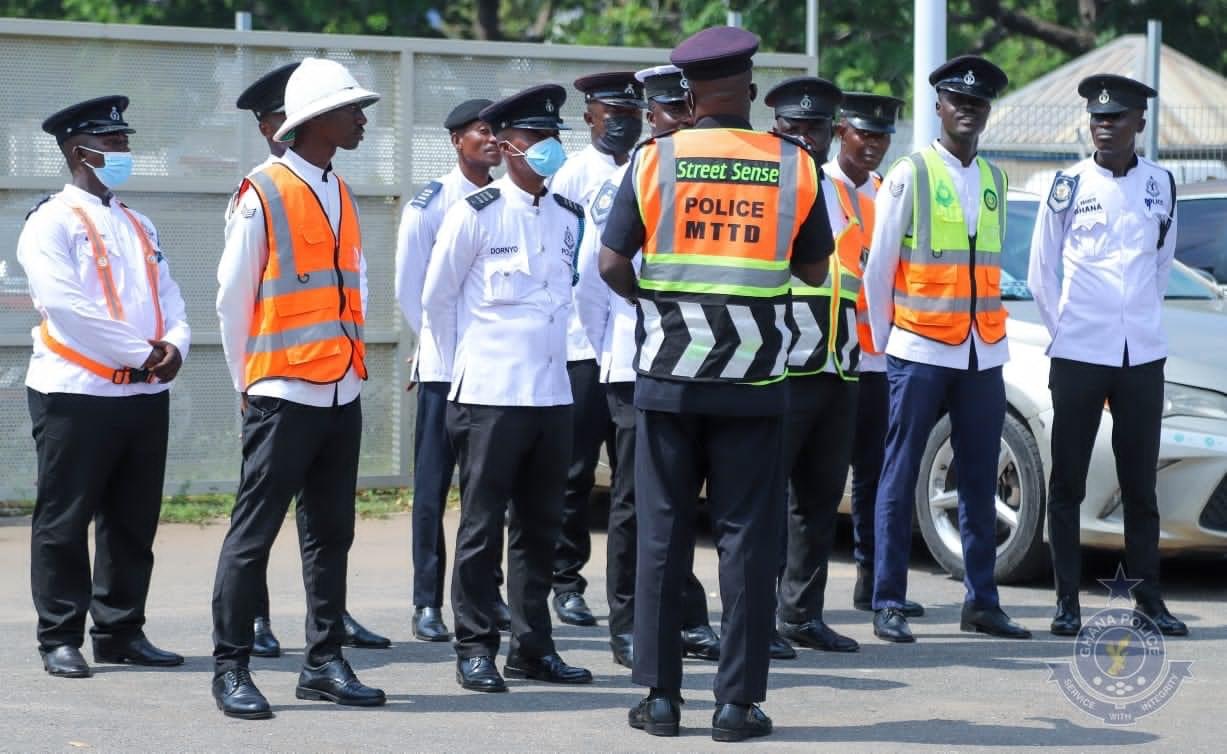
The Police MTTD Still Leads
The Motor Traffic and Transport Division (MTTD) of the Ghana Police Service continues to be the institution most associated with the giving of gifts or bribes.
Though its share fell from 61 percent to 51.9 percent, it remains at the top of the list.
This persistent prominence underscores systemic risk points in citizen-state encounters, especially in law enforcement.
Some Good News on Civic Inclusion
The GSS report isn’t all gloom. There are signs of growing civic confidence:
The percentage of Ghanaians who think that “ordinary people” can influence public decisions rose from 54.8 percent to 68.4 percent.
The share of people who feel “completely excluded” from decision-making fell from 42.4 percent to 29.2 percent.
Gains in inclusion were particularly strong among youth (18–24 years), seniors (65+), and persons with disabilities who have difficulty performing daily tasks.
However, not all regions are equal: North East, Upper East, and Northern regions still report the highest perceptions of exclusion.
What This Means — and What Comes Next
For Ghana’s policymakers and civil society, the GSS data offers both encouragement and warning signs.
- Encouragement: The drop in overall bribery suggests that anti-corruption efforts — whether through legal reform, public education, or better service delivery — may be having some effect.
- Warning: The surge in repeat giving is concerning. It suggests that once bribery begins, it may become a recurring burden for certain individuals.
- Persistent Risk Areas: Agencies like the Police MTTD still face structural challenges. That their share remains high, even after a drop, calls for stronger oversight and more accessible complaint mechanisms.
- Opportunity on Inclusion: The gains in civic confidence are real and may create momentum for participatory reforms — but regional disparities must be addressed.
Government Statistician Dr. Alhassan Iddrisu emphasized that the Governance Series is a tool for data-driven reform. He urged stakeholders to use this citizen-centered data “to strengthen trust and improve public services.”
This article was edited with AI and reviewed by human editors