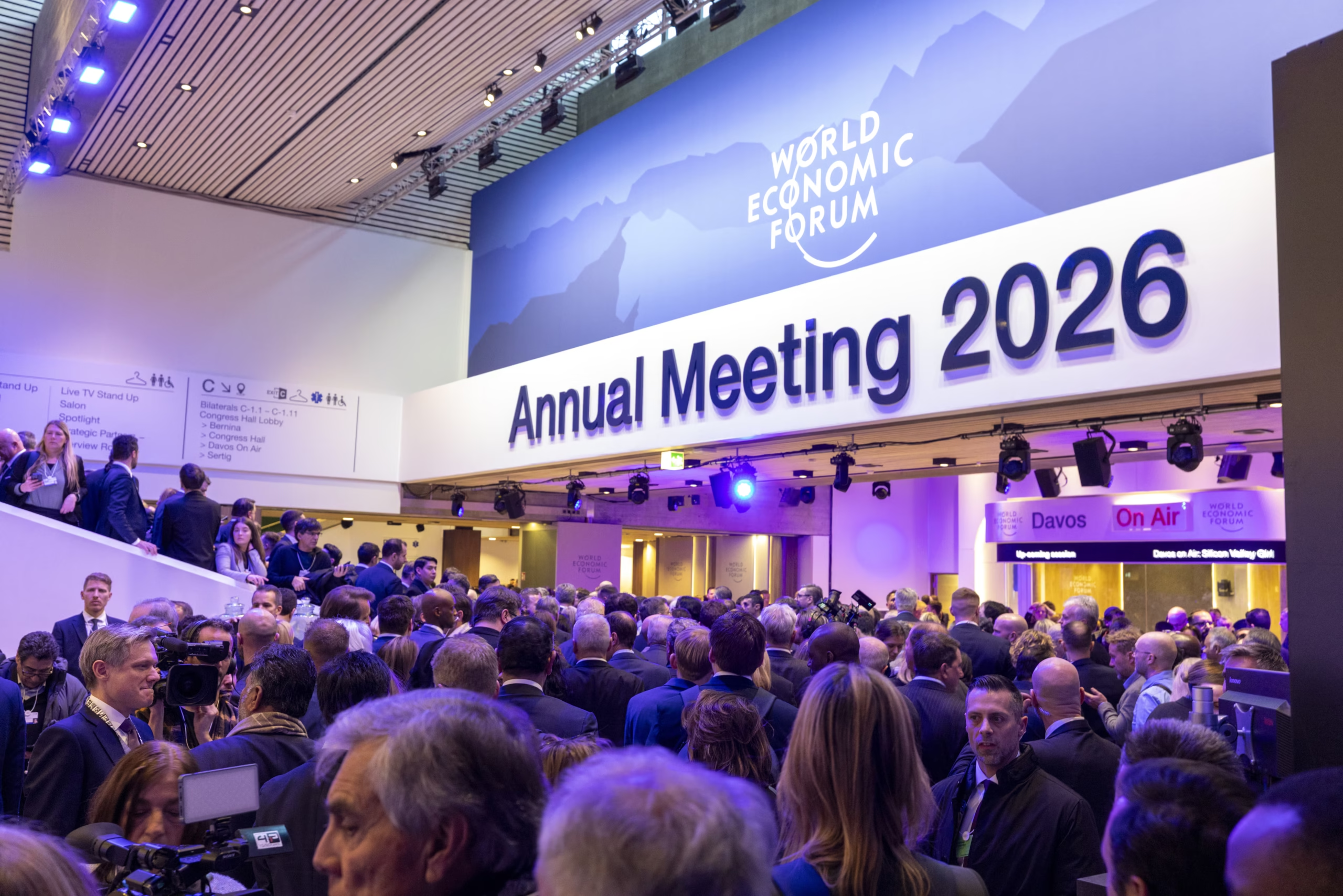
While the global media was fixated on Canadian President Carney and finance magnate Larry Fink’s critique of capitalism and the latest geopolitical drama surrounding Greenland, a different story was being written in the corridors, the branded ‘Houses’ and closed-door meetings happening across the iconic town nestled in the Swiss Alps.
Africa took ownership of the rooms and spaces at the World Economic Forum 2026.
For years, the conversation about Africa was about aid and potential. Now it has shifted to Domestic Capital Mobilization, Innovative Finance, and Women in Leadership.
Here is what I saw on the ground in Davos
1. Larry Fink is right—capitalism needs a reboot, but while the West debates this as a novel concept, Africa and Global South ecosystem leaders have been building the new investment, development, and finance structures required to make this shift – we just don’t get the column inches and media attention.
2. From the Accra Reset led by President Mahama to the launch of GIZ’s ICAMA (Innovative Capital Initiative), we are seeing a massive shift toward blended finance models that prioritize our own capital first
3. African Women are leading, innovating, and creating in ways that set the pace in our markets and garner the attention of global philanthropy, development finance, and investment decision-makers challenging the dominant models of Capitalism and Finance.
4. Special shoutout and an ode to Collectives: The 100 Women at Davos and the Africa Women CEO Network in particular.
When you have Dr. Ngozi Okonjo-Iweala and Tiwa Savage in the same room at Nigeria House, you realize that the bridge between policy, culture, and commerce is what will ultimately scale the narrative of the Africa Collective.
5. Integration is the Infrastructure: At the AFRICA CEO Dinner, the message from AfCFTA’s Wamkele Mene was clear: The era of fragmented markets is over. We are no longer 54 small stories.
The takeaway?
Africa is focused on its future. We are moving away from being a resource for the world and becoming the world’s most important solution and thought leader.
The views and opinions expressed in this article are those of the author and do not necessarily reflect the views of The Labari Journal. This content represents the author’s perspective and analysis.