Uber, the popular digital transportation company, recently announced that it was launching a pilot program in the United States that allows women riders to request female drivers and enables women drivers to opt for women passengers.
Dubbed “Women Preferences,” the initiative will debut in the US states of Los Angeles, San Francisco, and Detroit, with plans for a potential nationwide rollout if successful.
This development, announced on July 23, 2025, responds to long-standing concerns about safety in ride-hailing, particularly for women.
This is not the first location where a ride-hailing company has debuted such a feature.
Women-only preferences have been tested and rolled out in some African markets, with some challenges and successes.
Launch in African Markets
Bolt, the Estonian ride-hailing company and a rival to Uber, first launched a “Women Preferences” feature in Kenya in 2021.
Subsequently, it expanded the feature to South Africa in 2024.
According to a representative from Bolt Africa that the Labari Journal spoke to, the feature has been rolled out to all African countries where Bolt operates.
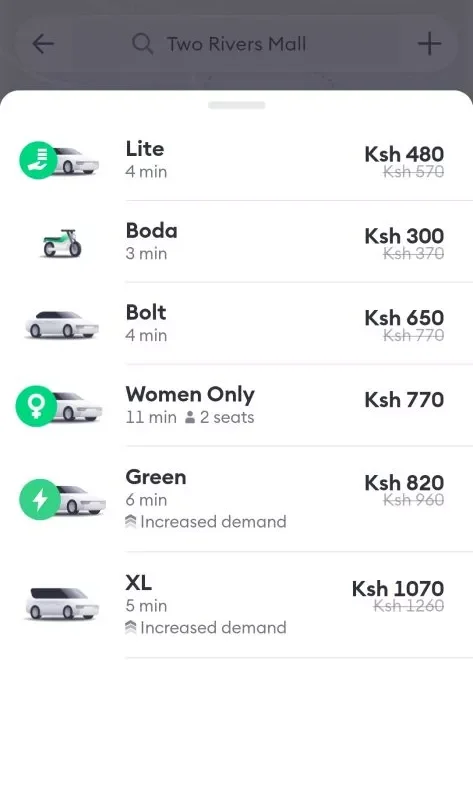
Uber has also rolled out its Women-Only preference in African markets, including South Africa, Nigeria, Kenya, and Ghana.
Other competitors in local markets have tried to duplicate this effort.
In Nigeria, an app called HerRyde was launched in 2022, which was a women-only ride-hailing service. (The app subsequently shut down in 2024 due to issues with scaling)
Addressing Safety Issues for Women
The rollout of Women Only Preferences on ride-hailing apps has been necessitated by reports and concerns for users, especially women.
In Egypt, for instance, where Uber operates in multiple cities, women riders had reported feeling “unsafe” after multiple incidents on the platform.
According to a report by Uber, there were 3,824 reports of sexual assault from 2019 to 2020 on the platform.
By allowing women drivers and riders to toggle a setting to prioritize female users, ride-hailing platforms are hoping to reduce the risk of harassment or assault, potentially encouraging more women to join the platform.
However, the overall success of such features depends on recruiting more female drivers.
Challenges and Operational Hurdles
According to available data in South Africa, only 8% of Uber drivers are women. This highlights a lack of female drivers, which can leverage the Women Only preference in that region.
In Kenya, female drivers represent only 4% of Bolt’s fleet.
Due to the low number of female drivers, matching women riders with women drivers could lead to longer wait times. This could potentially discourage riders and reduce driver earnings due to fewer trip requests.

Cultural and societal norms also pose barriers. In most markets, it’s been reported that women drivers face stigma or cancellations from riders.
Additionally, economic pressures, such as the high cost of vehicle ownership and maintenance, deter women from entering the industry.
Platforms like Uber have tried to address this issue with programs like the Women Drivers Program, which provides incentives like referrals for vehicle purchases for women drivers.
A Path Forward for Inclusion?
Uber’s embrace of the Women’s Preference option in the US could lead to allocation of more resources for women drivers on the African continent.
Uber and other ride-hailing platforms would need to invest in recruiting more women drivers through incentives like subsidized vehicle financing or safety training.
The success of the feature in the US could be a positive for other markets like Africa, and ensure that the platform is more inclusive for other genders.