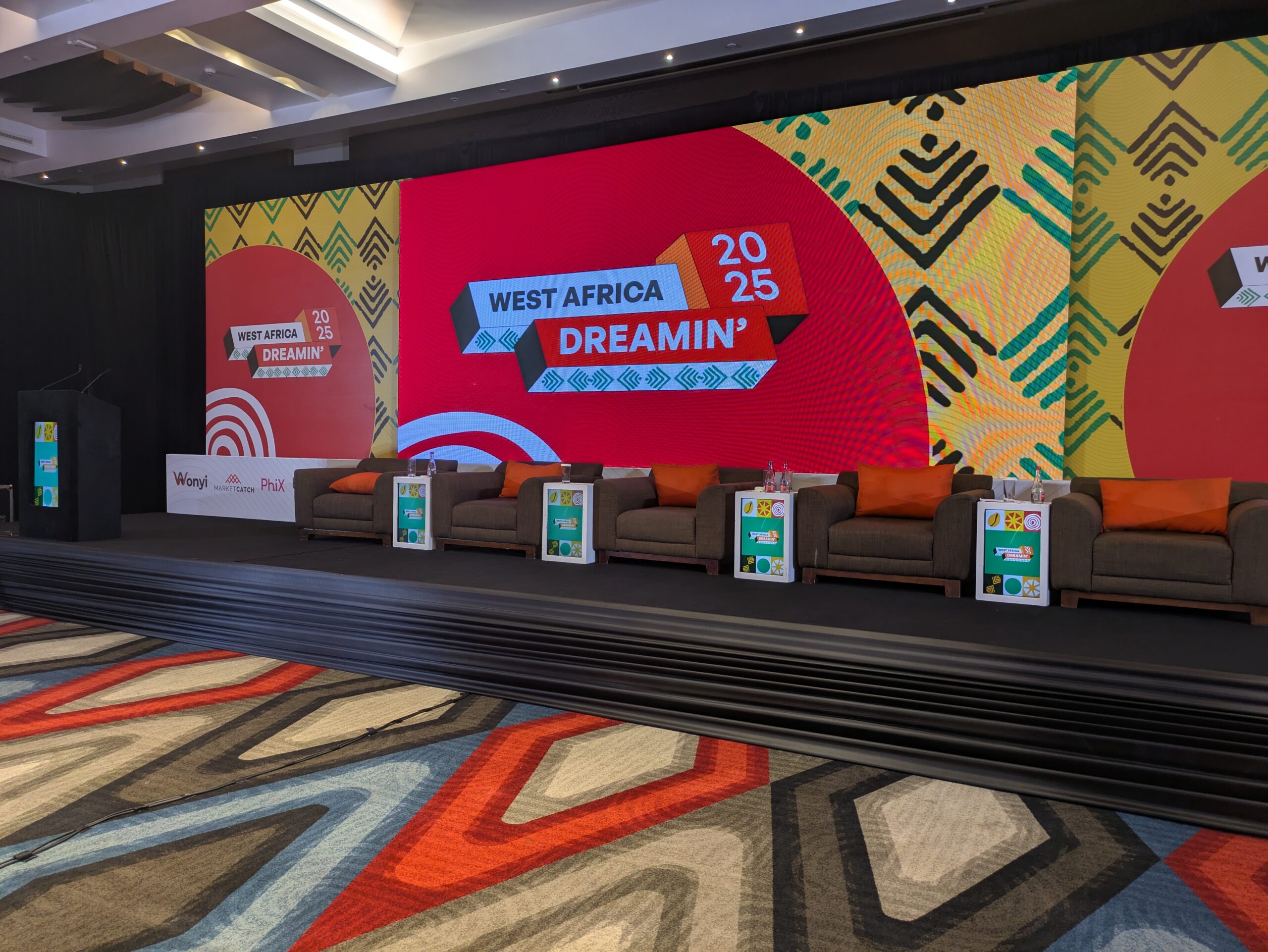
One of the premier Salesforce community conferences in Africa took place in Accra at the Mövenpick Hotel on November 15th.
West Africa Dreamin’ 2025, a one-day Salesforce-centered conference event, brought together Salesforce professionals, business leaders, and local innovators in what organizers called a celebration of “Africa’s digital future.”
Happening in Ghana for the first time and organized under the Tech Trailblazers Community Foundation, the event included hands-on masterclasses and panel discussions on use cases tailored for West African markets.
Dangsenpenan Nukshaw, the Lead Organizer of West Africa Dreamin’, had emphasized regional growth for this year’s event in an interview with Tech Cabal, a tech news publication.
“Moving WAD to Accra this year marks a commitment to expanding our reach and reinforcing the pan-African spirit of the Trailblazer Community,” he stated. He added that the event’s strategic focus goes beyond basic technology training.
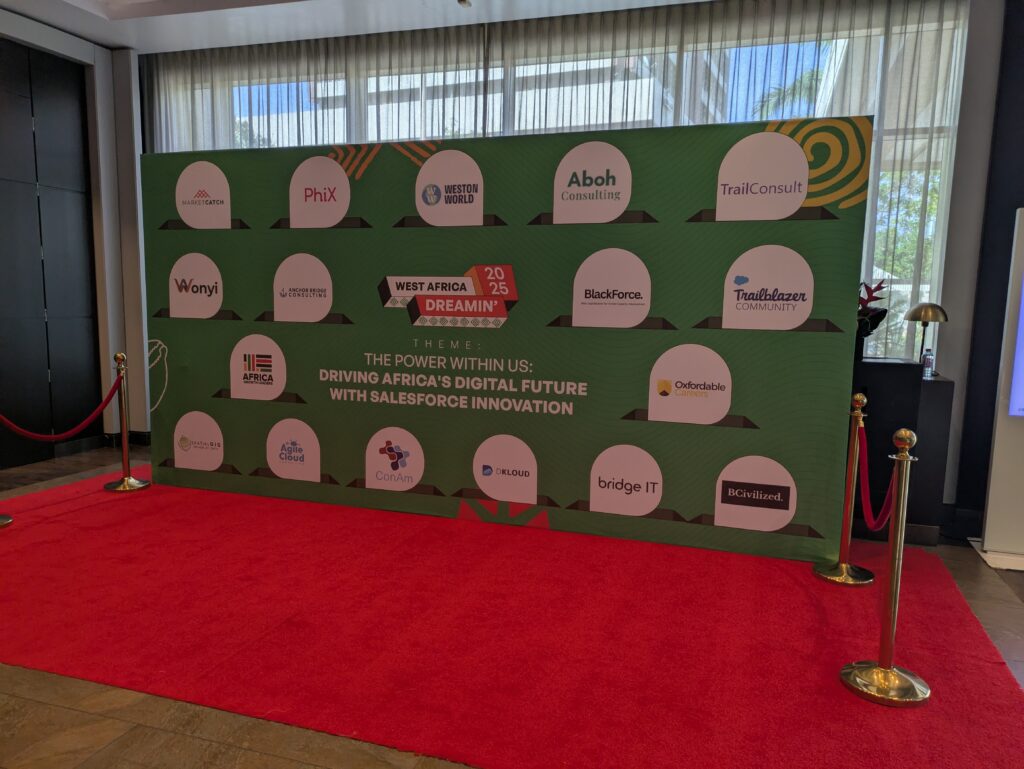
“WAD 2025 is where the most critical conversations about the future of African tech and the ethical deployment of AI for business growth will happen,” he added.
How Salesforce Works
At its core, Salesforce is a cloud-based platform for managing relationships, data, and workflows across an entire organization. But its strength lies in its flexibility.
It operates entirely in the cloud, meaning companies don’t need servers or local installations.
Some of its core capabilities include tracking sales and customer interactions (CRM) and allowing businesses to set rules for automatically assigning tasks and sending alerts.
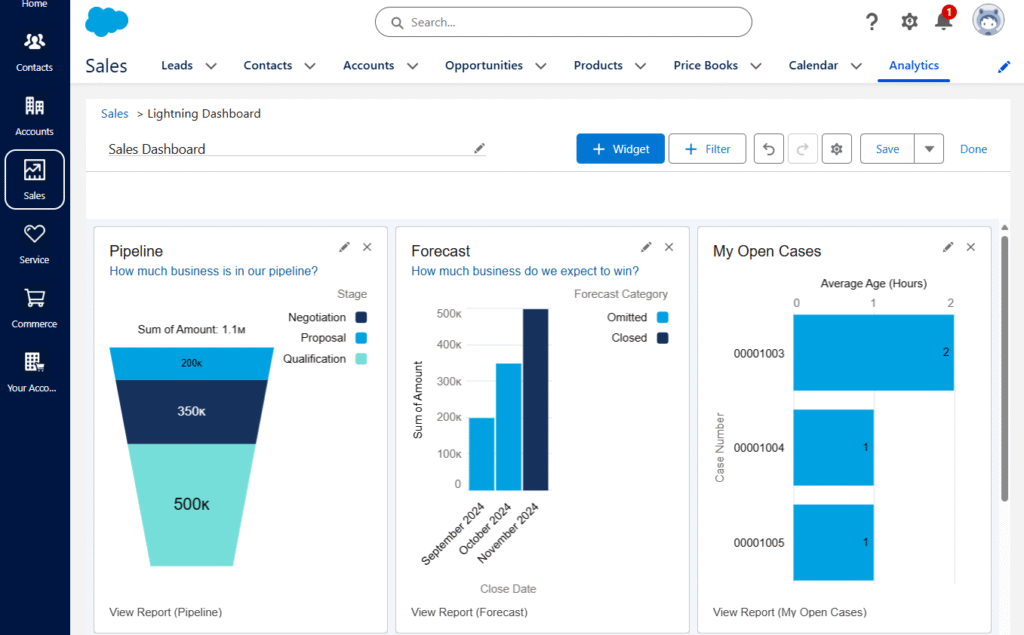
Companies can tailor the platform to their industry. For example, a Ghanaian fintech can build a lending workflow; a logistics company can track deliveries; an NGO can monitor beneficiaries.
The software also has features that enable users to build automated workflows or simple apps without writing code, making it accessible for organizations without large engineering teams.
Panels, Workshops, and the Digital Gap in Local Government
The event catered to professionals, from consultants, developers, and system administrators seeking hands-on skills to business owners and C-suite executives focused on strategy.
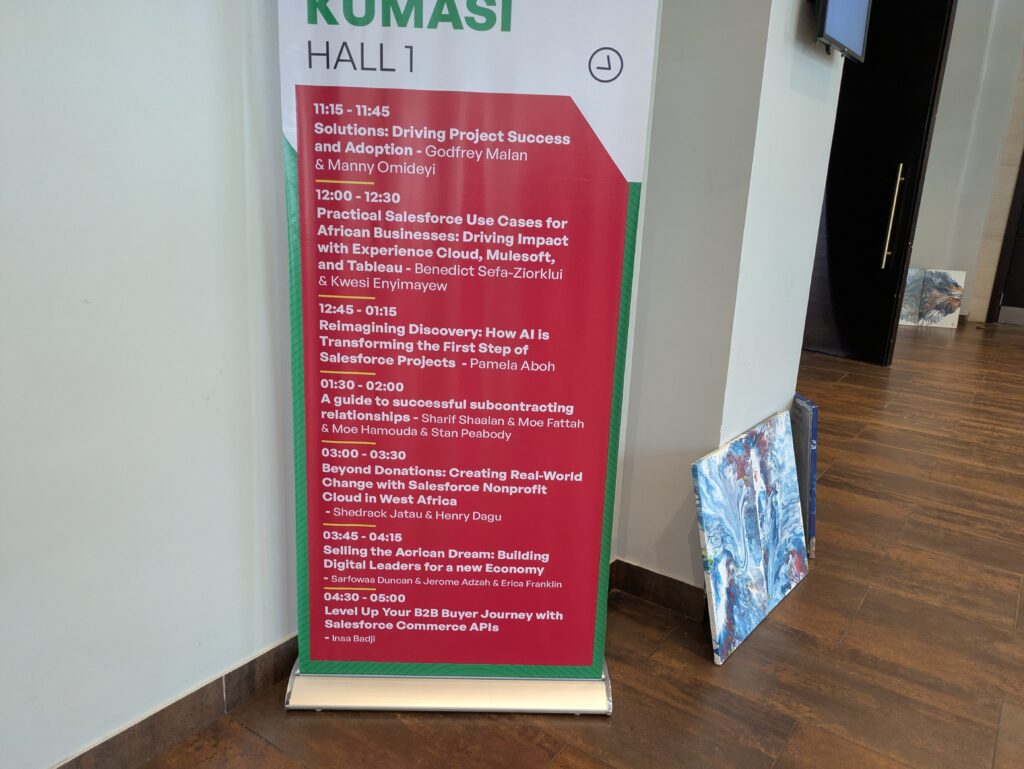
Making use of various rooms at Movenpick, the event featured panel sessions from Salesforce experts, as well as workshops showcasing implementation and case studies of Salesforce in the real world.
One thing that stood out was the lack of a Government representative at the event. Salesforce, which has features that enable easier automation for government services
Despite recent announcements to digitize more than 16,000 government services on the national portal Ghana.gov, progress has been slow and uneven.
Private sector players, including Hubtel and expressPay, helped develop the platform. However, in other sectors like health, officials deployed other proprietary software from different vendors, raising issues of interoperability.
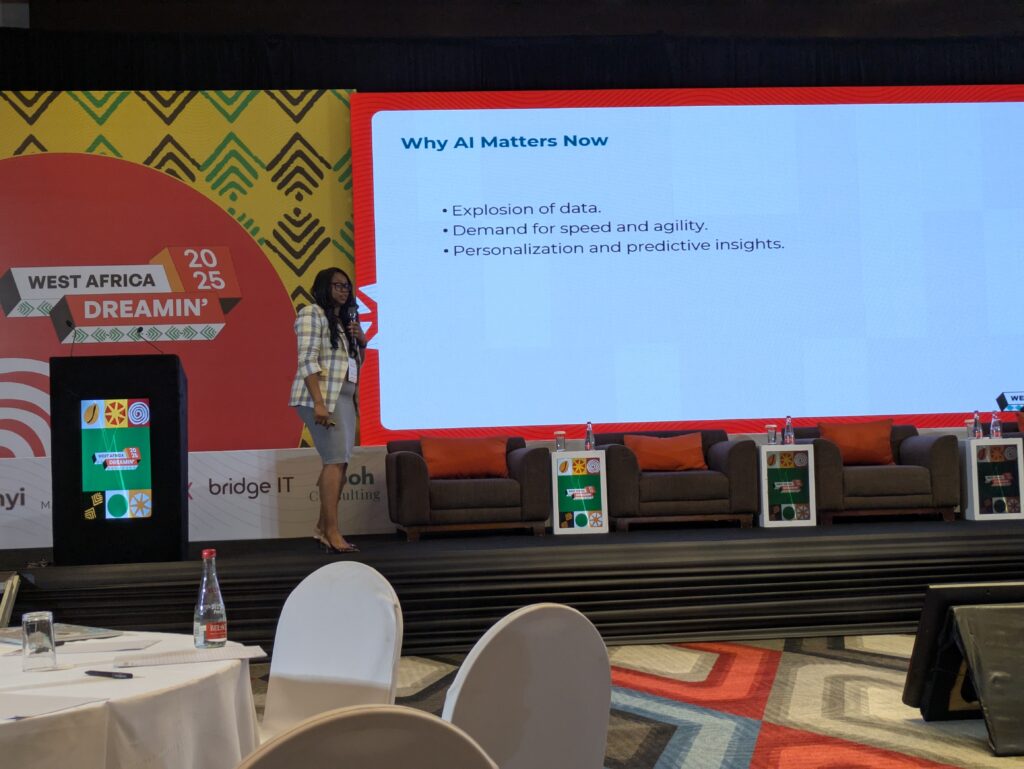
A presenter we spoke to stated they had tried to gain an audience with the local government to discuss Salesforce implementation. They said their endeavors had been unsuccessful so far.
According to analysis by the Institute of ICT Professionals Ghana, various ministries and agencies manage their own digital projects without a unified framework — undermining interoperability and long-term sustainability.
A detailed 2022 JICA-sponsored report revealed chronic capacity gaps: low in-house technical expertise, budget constraints, and agency-specific systems that don’t communicate with each other.
High Cost Implications
Using Salesforce doesn’t come cheap. Costs vary, from about $25 to over $15,000 per user per month, depending on the chosen product, edition, and number of users.
For public sector organizations, a standard license per user can range from $275 per month to $700 per user/month for a higher tier.
For public sector software, officials are more likely to lean on a public procurement approach to manage costs and source from more localised vendors.
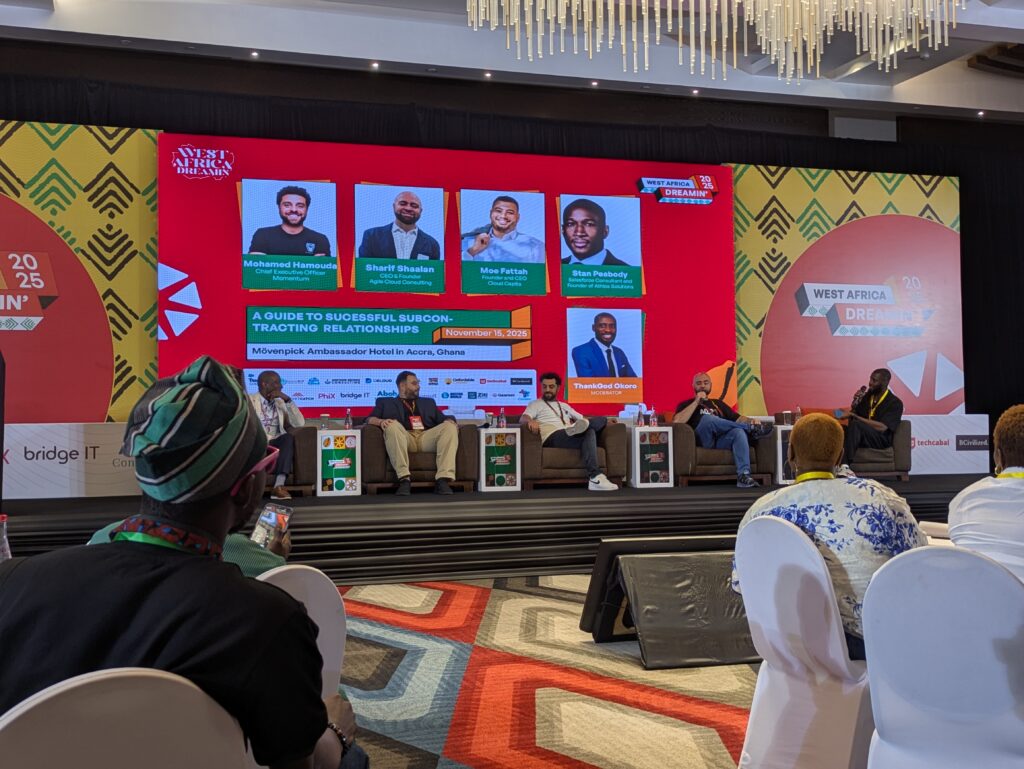
For attendees at West Africa Dreamin’ 2025, the event was a clear win for the Salesforce community and a hopeful sign for cloud-native innovation in Ghana.
But that bright future will only flourish if Ghana’s government matches the ambition of its private sector — rethinking not just how it delivers services, but how it governs them.
Whether it leans on Salesforce to accomplish those objectives is not yet certain.