
In October 2025, Kwame Asare Obeng, the Member of Parliament for Gomoa Central, better known by his stage name, “A-Plus”, made a grand announcement at the Kempinski Hotel in Accra.
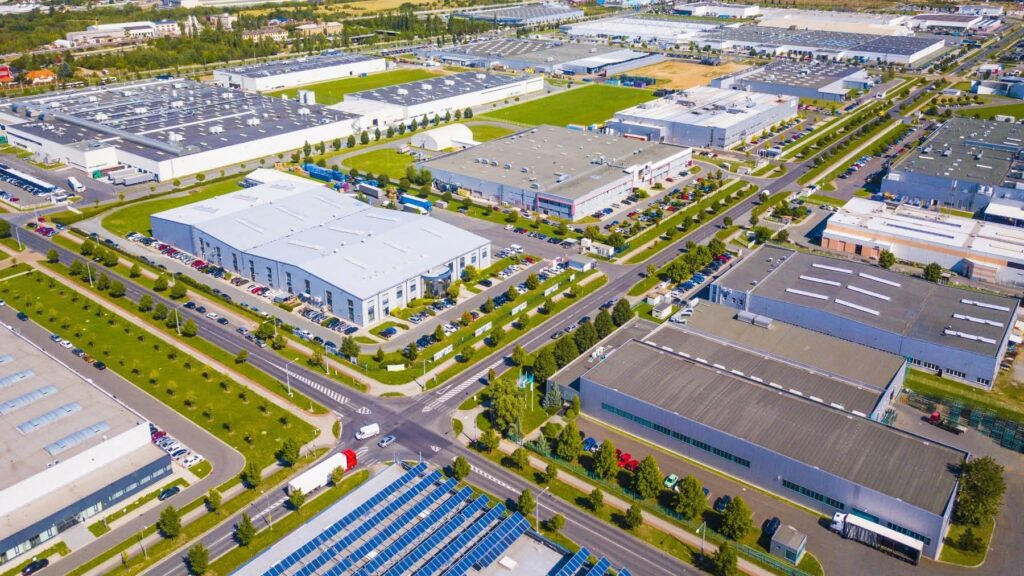
Mr. Obeng unveiled the Gomoa Central Special Economic Zone (GCSEZ)—a $1.5 billion vision of the future featuring a 24-hour business district, renewable crypto-mining hubs, and “litigation-free” industrial plots.
To streamline the process, the MP launched DILAP: the Digital Land Acquisition and Management Platform.
It was pitched as a revolutionary “Uber for Real Estate,” allowing investors to bypass the notoriously opaque and bribe-heavy world of Ghanaian land bureaucracy with a few taps on a smartphone.
The event was attended by well-known personalities, including the Speaker of Parliament, Alban Bagbin; Presidential Advisor on the 24-Hour Economy, Goosie Tanoh, and Ghanaian businessman Sam Jonah.
Obrempong Nyanful Krampah XI, the traditional leader of the Gomoa Ajumako area, pledged the full support of the chiefs and people.
He described the GCSEZ as “a bold step toward sustainable development that aligns perfectly with President Mahama’s 24-hour Economy agenda.”
Fast forward to January 2026, and the project is facing some resistance.
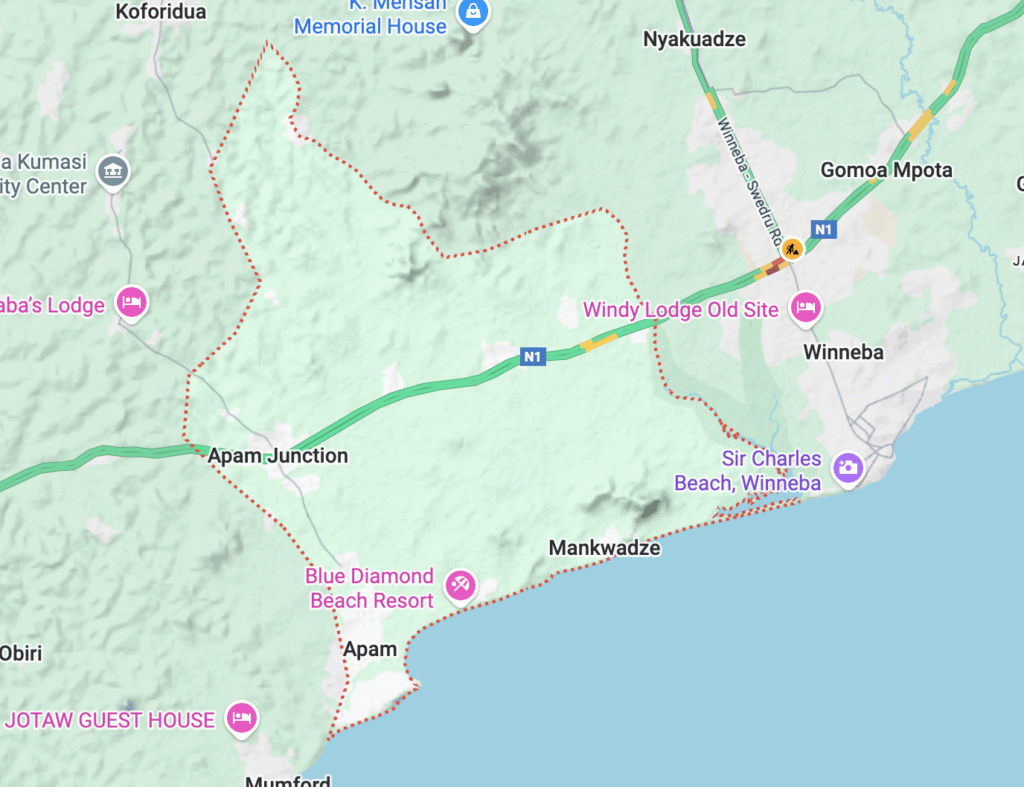
On January 8, there were reports of tensions in the area. These boiled over into a physical confrontation when youth from the neighboring Effutu community blocked attempts by the MP’s team to take possession of disputed border lands.
The Effutu people claim Mr. Obeng is using his digital platform as a “ruse” to legitimize the unlawful appropriation of their ancestral territory.
“Even established estate developers in Ghana do not use mobile apps to acquire stool or family lands,” one resident said. “Land acquisition here requires engagement with chiefs, families, and traditional authorities, not downloading an app.”
The issues currently confronting the Gomoa area also raise questions about the Lands Commission’s involvement with the DILAP project and the sustainability of specialised economic zones in the country.
About The Project
At the event at Kempinski, Mr. Obeng stated that the GCSEZ will be a reality by 2036, working “24 hours a day.”
The MP, who rose to fame through satirical hiplife music, framed the project as a fulfillment of the industrial dreams of Ghana’s founding father, Kwame Nkrumah.
Backed by high-ranking officials, including the Speaker of Parliament, he stated that the GCSEZ would create 60,000 jobs and transform the region into a green industrial powerhouse.

However, traditional authorities in Winneba aren’t buying it.
A petition, dated January 9, 2026, was addressed to President John Mahama by Ebusuapanyin (head/elder) William De-Carthia of the New Winneba Tumpa Anona Royal Family, who is also an Assembly Member for the Ndaamba Electoral Area.
In the petition, they accuse the MP of using state security personnel to “forcibly” clear land. They insist that genuine investors must “sit down and follow custom” rather than hiding behind a blockchain-based ledger.
The DILAP App and “Digital” Land Administration
The DILAP app, which was launched at the October 2025 event, is reportedly linked to the National Land Information System to ensure transparency and secure transactions.
Features of the app include allowing investors to browse available plots within the special economic zone and make payments directly through the app, removing the need for intermediaries or “middlemen”.
It also reportedly allows owners to track the progress of their projects from acquisition through to construction in real time.
Checks by The Labari Journal were unable to confirm whether the app is currently operational or works as advertised.
We contacted the Lands Commission via email for comment and more information about the application. At the time of this publication, the Commission had not responded to our inquiries.
The digitization of lands in Ghana has faced numerous hurdles and challenges over the years. Entities like the World Bank have spearheaded digitisation projects for the Lands Commission dating back to 2013.
In a 2020 report, the Bank noted several challenges in its digitalisation efforts. The report confirmed that the Government of Ghana eventually withdrew its request for more World Bank funding in 2019 to pursue a Public-Private Partnership (PPP) model.
They believed a private partner might be more effective at finishing the digitization process than the previous project structure had been.
In 2023, the Commission signed a $85 million contract with PDB Ghana Limited, a wholly-owned Ghanaian Land Administration Company, to help with digitisation efforts.
Sustainability of Specialized Economic Zones
The development of Special Economic Zones (SEZs) in Ghana has not been as fruitful.
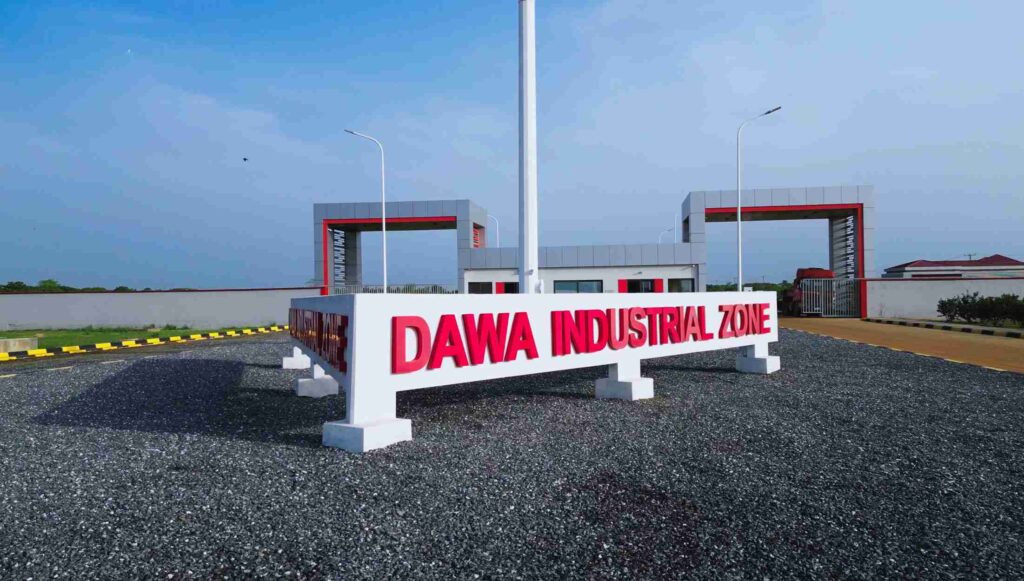
A 2023 report by Kiel Centre for Development highlighted numerous challenges faced by SEZs in the Tema, Sekondi, and Dawa areas in Ghana.
The authors of the study highlighted how changes in government and political priorities have led to shifts in SEZ management and rent collection practices, sometimes hindering long-term planning.
They noted that the Dawa Industrial Park has struggled with a lower-than-expected occupancy rate and high costs for land development.
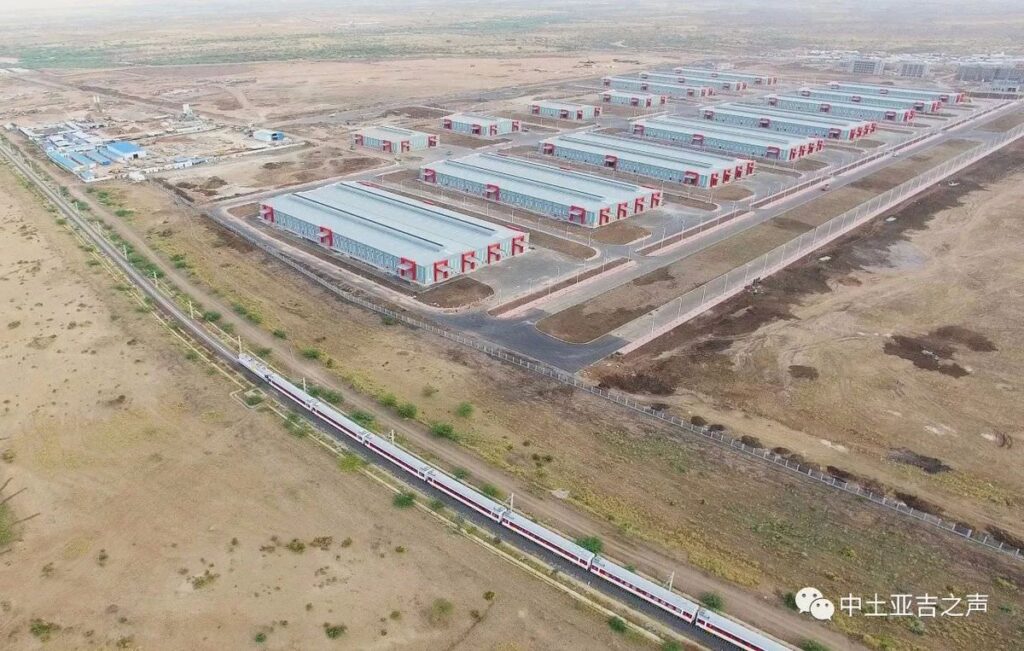
The Tema Export Processing Zone (TEPZ) also faces challenges with aging infrastructure and high operational costs for resident firms.
Although they note that SEZs had cumulatively employed an estimated 31,000 workers by 2021, this is considered low relative to the initial economic goals set by governments.
As Mr. Obeng noted in his presentation last October during his launch, he expects to create 60,000 jobs in the Gomoa Central area by 2036.
Although ambitious, the question is whether the plan is sustainable given past performances in other economic zones.
Currently, Mr. Obeng is facing challenges of land acquisition. If the allegations of forceful removal of residents in his area are substantiated, the efforts of trying to sell land to investors through the DILAP app might prove to be futile.
It also raises questions on how land is administered through digital means, given past challenges faced by the Lands Commission in digitising plots of land.