Story Highlights
- Nigeria’s last population and housing census took place in 2006. It counted about 140.4 million people.
- A census planned for 2023 was postponed indefinitely, even though billions of naira had already been spent on preparations.
- Officials point to funding, security, logistics and political sensitivities as the main causes of delay.
- Only the president can proclaim a census date. The National Population Commission (NPC) says it is ready once he does.
- Current estimates put the population above 230 million, but no verified figure exists.
Nigeria governs one of the world’s largest populations without knowing exactly how large it is.
Twenty years after its last population and housing census, Nigeria is governing one of Africa’s largest populations without a current official count of how many people live within its borders. Successive governments have promised a new count. None has taken place.
The Last Count
The 2006 census recorded a population of 140,431,790, made up of 71,345,488 males and 69,086,302 females. Nigeria’s population has grown sharply since then.
One estimate puts the 2026 population at 242,431,832, making Nigeria the sixth most populous country in the world. Other estimates put it closer to 237.5 million, with the population growing by about 2.1 percent a year. These are projections, not counts.
The 2006 figures were disputed when they came out. Several earlier Nigerian censuses, including those of 1962–63 and 1973, were also contested or cancelled over allegations of inflated figures. That history still hangs over any new exercise.
Money Spent, No Count Held
The census was first scheduled for 2023 but was postponed indefinitely. By then, preparations were well underway.
Under former President Muhammadu Buhari, the federal government approved about ₦800 billion (~$600 million) for census preparations, and roughly ₦224 billion was reportedly released to the NPC. Former NPC chairman Nasir Isa Kwarra said nearly ₦200 billion had been spent, including on more than 760,000 digital devices.
Mr. Kwarra later warned about the cost of waiting. He said equipment left unused could lose battery life and become unusable, putting many of the facilities at risk.
Why the Census Keeps Slipping
The reasons are both practical and political.
A combination of funding challenges, security concerns, logistical hurdles and political sensitivities has repeatedly pushed the exercise back.
Funding: A national census is expensive. Nigeria has faced revenue pressure, debt servicing costs and competing budget priorities in recent years.
Security: Enumerators must reach every community. Insurgency in the northeast, banditry in the northwest and unrest in parts of the southeast make full coverage difficult and dangerous.
Logistics: Nigeria has 36 states and the Federal Capital Territory, many remote rural areas and fast-growing cities. Counting everyone in a short window requires hundreds of thousands of trained workers.
Politics: This is the most sensitive factor. Population figures influence national planning, political representation, constituency delineation and resource allocation, so census exercises have historically drawn intense scrutiny over credibility and regional interests. A new count could shift the balance of power between regions. That raises the stakes for every state.
Timing: Elections complicate the calendar. With the 2027 general elections approaching, analysts note that a census held too close to a major electoral cycle could create administrative strain and fuel political suspicion.
Government Promises
President Bola Tinubu has said a census remains a priority. In April 2025, he inaugurated an eight-member committee on the census, chaired by Minister of Budget and Economic Planning Atiku Bagudu, with three weeks to submit an interim report. No census date followed.
The NPC now has new leadership. Dr. Aminu Yusuf, who became NPC chairman in December 2025, says the commission is ready to conduct a technology-driven census as soon as the government announces a date.
That decision rests with one person. NPC officials stress that only the president has the constitutional authority to proclaim a census date.
There are signs of movement. A proposed ₦12.78 billion allocation to the NPC in the 2026 budget revived hopes of a count. That sum is small compared with the full cost of the exercise.
Why a Census Matters
A census is the foundation of public planning. It tells governments how many people live where, how old they are, and how they live.
Public services: Without reliable data, governments guess at needs. Officials cannot say with confidence how many classrooms, hospitals or homes are needed, or where roads and water projects should go.
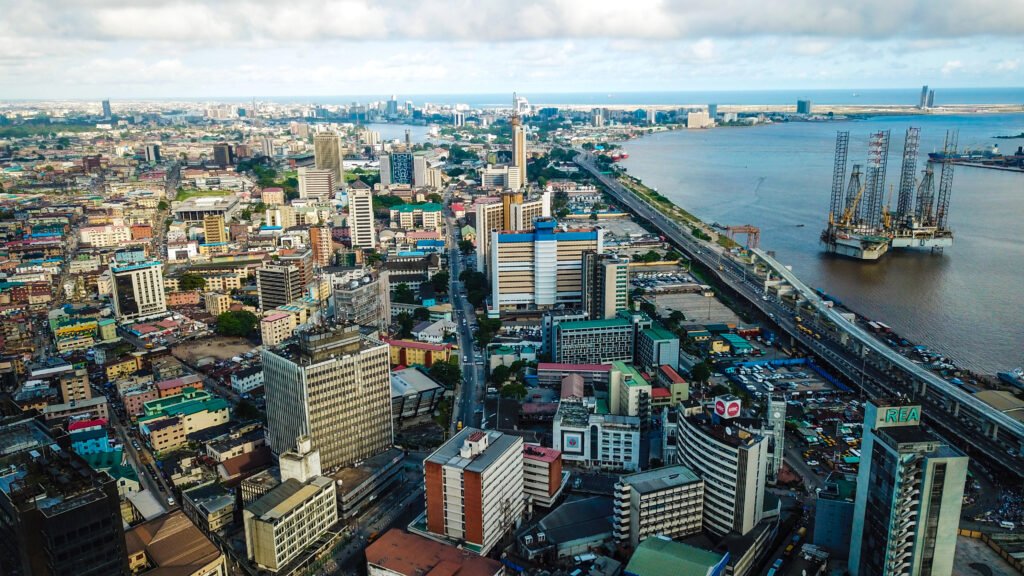
Cities: The gap is widest in urban areas. Growth in cities such as Lagos, Kano, Abuja, Port Harcourt and Onitsha has outpaced infrastructure and public services.
Representation and revenue: Population data shapes how federal resources and parliamentary seats are shared. Outdated figures can leave fast-growing areas underfunded and underrepresented.
Economy and investment: Investors rely on accurate population data to judge market size, consumer behaviour and labour supply.
Social policy: Unemployment, poverty, migration and health programmes all depend on knowing who needs help. A young population, with a median age under 20, makes accurate planning for schools and jobs especially urgent.
The United Nations recommends that countries conduct a census at least once every ten years. Nigeria has now missed that mark twice over.
What Comes Next
Nigeria can hold elections without a new census. But analysts warn the country risks making major political and economic decisions without a full picture of its population.
The NPC says its preparations are largely complete. The equipment is ageing. The budget line is modest. And the 2027 election calendar is closing in.
For now, the census waits on a presidential proclamation.
This article was edited with AI and reviewed by human editors