
As prices at various fuel stations in Ghana gradually reduce, bringing relief to vehicle owners, there’s a new debate brewing on the fuel situation.
At the heart of the debate is a regulatory tool known as the Price Floor, a minimum price limit for fuel introduced by the National Petroleum Authority (NPA) in April 2024.
While designed to prevent a “race to the bottom” that could bankrupt smaller players, the policy is currently being debated by some consumer advocates and efficient oil giants who argue it is keeping fuel prices artificially high.
The “Safety Net” or a “Celling in Disguise”?
For years, Ghana’s downstream petroleum sector was a free-for-all.
Since deregulation in 2015, over 150 Oil Marketing Companies (OMCs) have vied for the tanks of Ghanaian motorists.
However, the NPA grew concerned that larger, more efficient companies were engaging in predatory pricing—slashing prices so low that smaller, indigenous firms could not compete.
The solution was the price floor. Every two weeks, the NPA calculates a minimum price based on:
- International import costs (Free-On-Board prices)
- Fixed government taxes and levies
- Essential operational margins
No company, no matter how efficient, is allowed to sell below this “floor.” To the regulator, it is a stabilizer for a debt-laden industry. To the critics, it is a roadblock to relief.
The Case for Removal: “Let the Market Breathe”
The calls for scrapping the floor reached a fever pitch this week. Philip Tieku, CEO of Star Oil—which recently overtook state-owned GOIL as the market leader—publicly hinted that his company could sell petrol for as low as GH¢9.50 per liter during off-peak night hours if the floor were removed.
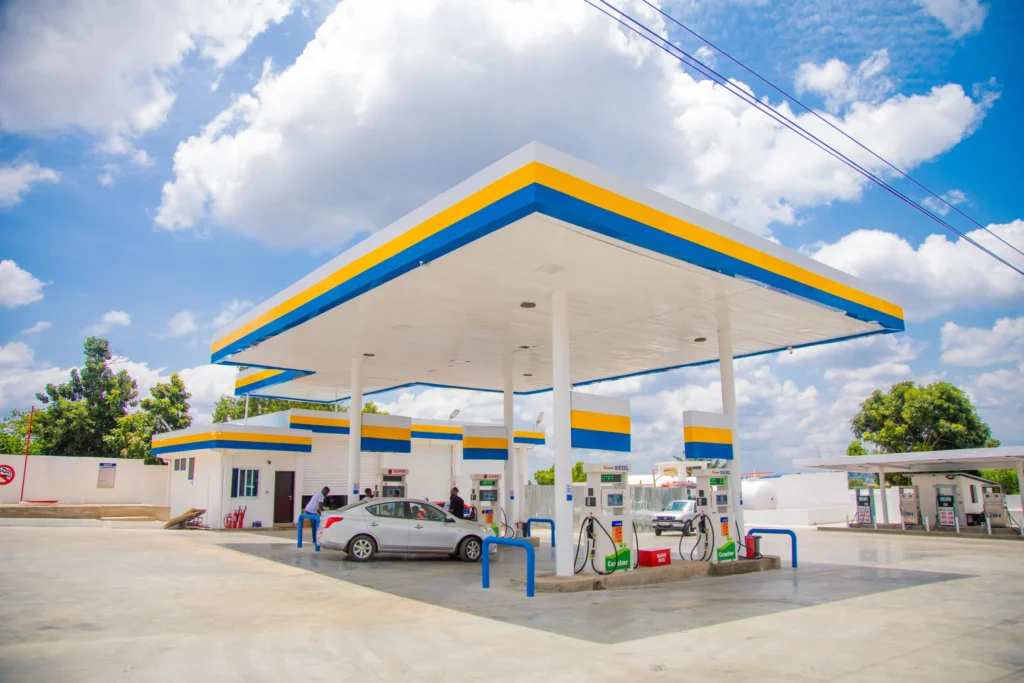
Currently, the floor mandates prices closer to GH¢9.80.
Advocates for removal, including the Chamber of Petroleum Consumers (COPEC), argue the policy is “outdated” for three primary reasons:
- Stifled Efficiency: Companies with superior supply chains are forced to charge more than they need to, effectively subsidizing less efficient competitors at the consumer’s expense.
- Missed Relief: As global oil prices dip and the Cedi stabilizes, critics say the floor prevents these gains from being fully passed on to the public.
- Innovation Blockade: The floor prevents “dynamic pricing,” such as discounts for night-time drivers or bulk buyers, which could stimulate the broader economy.
“The current leader of the downstream was never dominant. It was a minor player,” Duncan Amoah, Executive Secretary of Chamber of Petroleum Consumers (COPEC), said in a TV interview.
“Smaller companies look at it and say maybe we can reduce our overhead and extend that benefit to the market, and Ghanaians go for them.”
The Regulator Stands Firm
The NPA is not backing down. Abass Tasunti, the NPA’s Director of Economic Regulation, recently told local media that the policy is essential for the “long-term sanity” of the market.
The authority argues that without the floor, the industry could face market monopolies where big players could drive out small ones, only to hike prices once competition is dead.
He explained that the structural challenges that necessitated the introduction of the price floor remain unresolved, with persistent unfair pricing practices continuing to pose risks to stability in the downstream petroleum sector.
As of mid-January 2026, the NPA maintains that the conditions that necessitated the floor—unfair pricing and sector-wide debt—remain unresolved.
But with industry leaders now openly challenging the mandate, the “floor” beneath Ghana’s fuel market is looking increasingly shaky.
This article was edited with AI and reviewed by human editors