Every four years, Ghanaian politics come to life with election campaigning. Political parties vying for higher power or to stay in government embark on a cycle of rallies, “door-to-door” canvassing, and billboard-plastered highways.
But the days of lengthy election campaigns might be coming to an end if Parliament passes a new proposal.
Last week, a Constitutional Review Committee, inaugurated by President John Mahama in February 2025, proposed several amendments to Ghana’s constitution. One proposal is to place a limit on the duration of election campaigns.
The Proposal: Less Talk, More Action
Under Ghana’s 1992 Constitution, there is no legal “start date” for campaigning. Candidates often begin their bid for office years in advance, leading to what critics call a “perpetual campaign state.”
The new proposal suggests a “condensed window”—potentially limiting active campaigning to a few months—to address the mounting fatigue of an electorate weary of zero-sum politics.
Specifically, the proposal suggests that electioneering and campaigning by political parties or candidates be limited to 120 days (4 months).
A Global Snapshot: Short vs. Long
If passed, the new amendment could align Ghana with several established and emerging democracies that favor “sprints” over “marathons.”
Japan has the world’s shortest campaign duration. Political parties in the Asian region are limited to only 12 days to pitch their manifestos to voters.
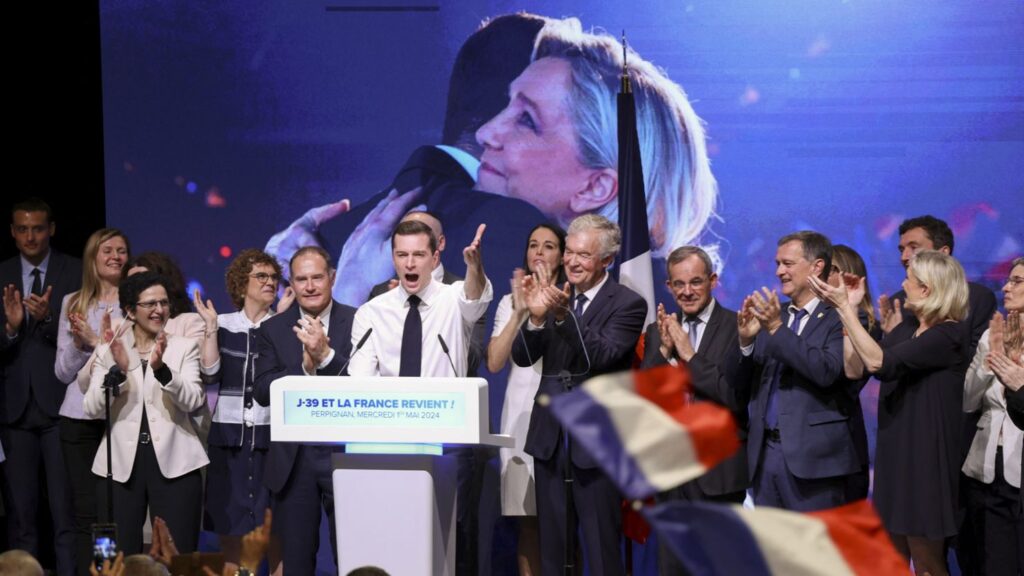
In France, parties are given two (2) weeks to campaign, followed by the United Kingdom, with an average of 25 days.
The Great Debate: Pros and Cons
In Ghana, long election seasons are prohibitively expensive. There have been reports from Civil Society Organisations (CSOs) that presidential campaigns cost an estimated $100 million to $200 million to win an election.
A parliamentary candidate might spend an average of GH¢9 million (approx. $600,000) to secure a seat, which is nearly two years’ worth of their annual salary.
Shortening the window for the election campaign could lower the barrier to entry for candidates without “deep pockets” or “big-money” backers.
A shorter election system could also prevent incumbents from spending half their term in “campaign mode” rather than governing.
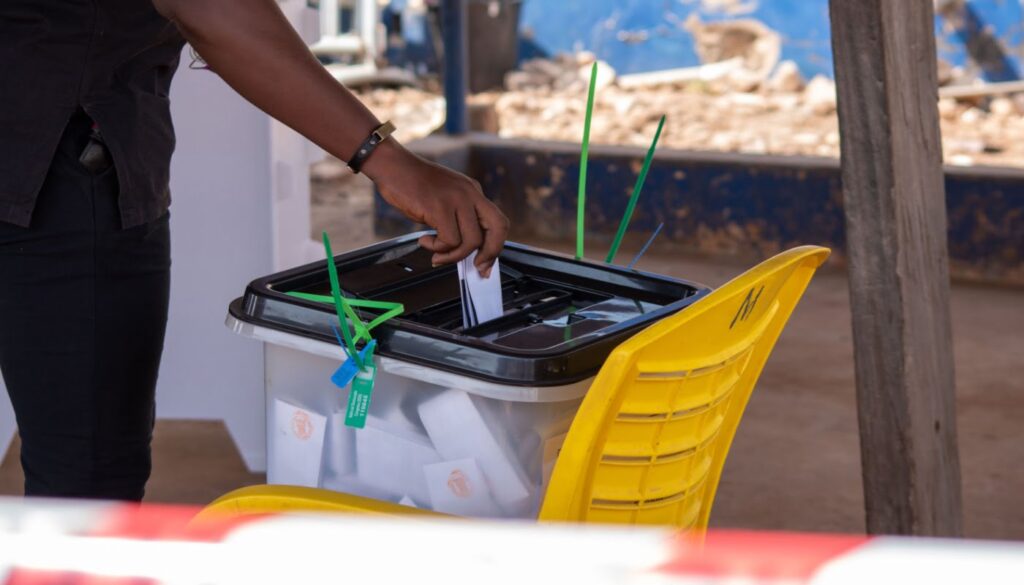
However, a shorter season could give incumbents a better advantage to secure power. Voters need time to fully scrutinize a candidate’s character and policy proposals, especially in a complex, multi-ethnic democracy.
Short election seasons would limit new candidates and political parties who may struggle to reach remote rural areas without a lengthy period to build a ground game.
What Lies Ahead
An implementation committee is expected to be created to help adopt some of the proposals in the review report. Any changes to the 1992 constitution would require a national referendum.
For a nation often hailed as a beacon of stability in West Africa, the question is no longer just about who wins the election, but how much the process itself costs the country—in cedis, in peace, and in time.