


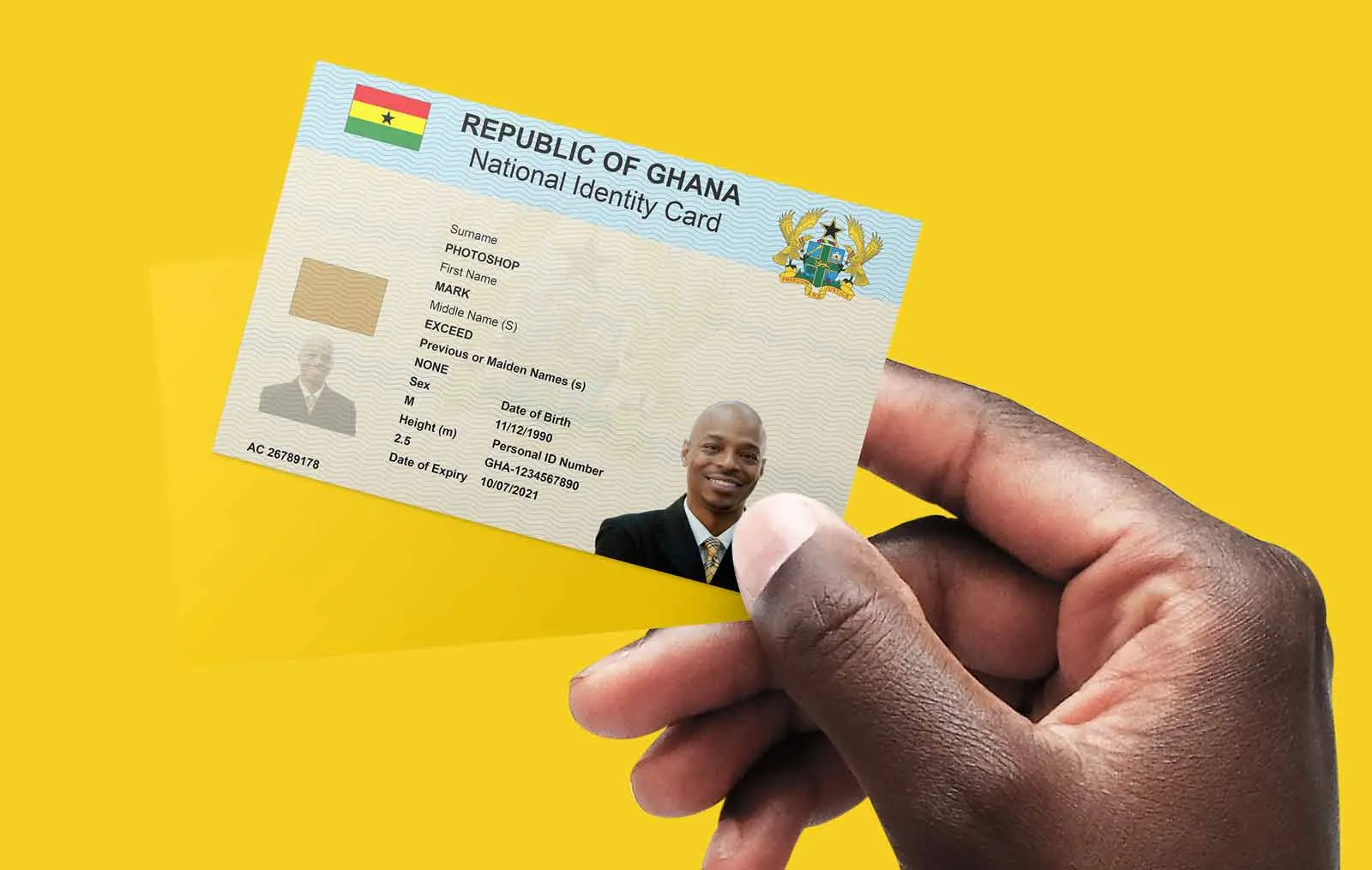
In a move that signals a definitive end to the era of flexible identification in West Africa’s second-largest economy, the Bank of Ghana has mandated that the “Ghana Card” serve as the exclusive document for nearly all financial transactions.
The directive, which was formally published on the central bank’s website this week, represents a significant escalation in the government’s decade-long push to digitize the identity of its 33 million citizens.
Under the new rules, the card is no longer just a preferred ID; it is the gatekeeper of the banking system.
“Accountable institutions shall use only the Ghana Card to identify and verify all customers,” the revised Supervisory Guidance Note reads.
The policy applies to Ghanaian citizens at home and abroad, permanent residents, and even foreign directors and shareholders of local companies.
A Digital Fortress
The new regulations, which supersede 2022 guidelines, are designed to eliminate the gaps that have historically allowed money laundering and fraud to seep into the financial ecosystem. For the first time, the central bank is targeting the digital frontier with specific rigor.
For customers opening accounts via mobile apps or internet banking—channels the bank labels as “high-risk”—a simple scan of a document will no longer suffice.
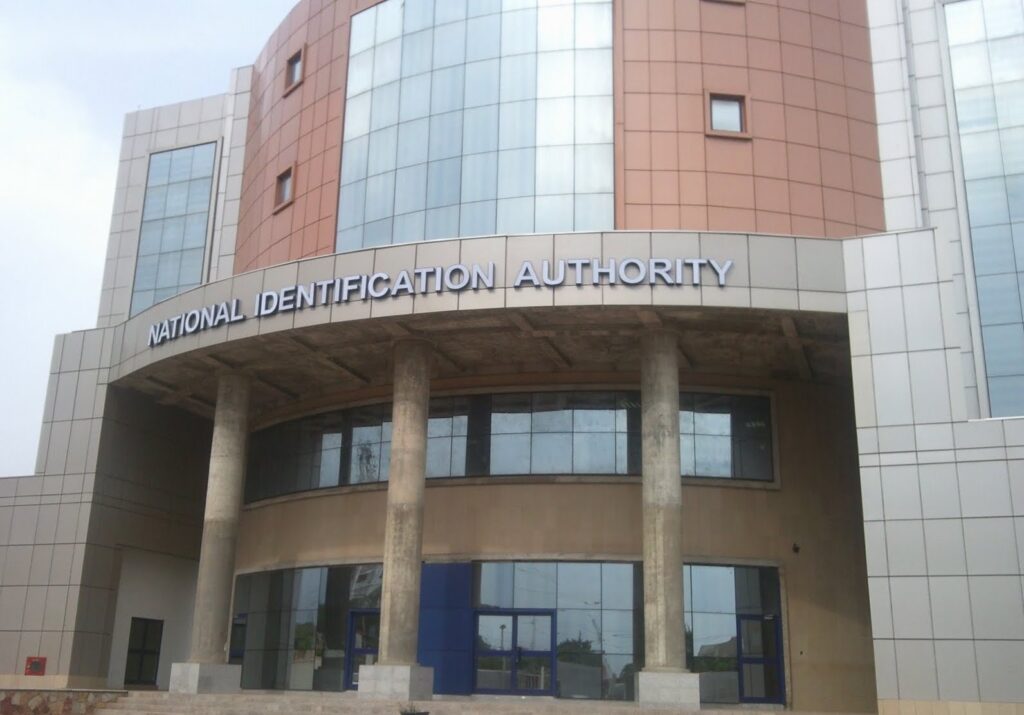
Institutions are now required to perform “liveness checks,” using biometric data to ensure that the person behind the screen matches the digital record held by the National Identification Authority (NIA).
The “No Card, No Cash” Rule
The most striking element of the directive is its lack of compromise for those without the card.
The Bank of Ghana was explicit: if a customer has not registered for the Ghana Card (or the relevant refugee and non-citizen equivalents), banks “shall not undertake any financial transaction” on their behalf.
For existing account holders who have yet to link their cards, the consequences are immediate. While banks are permitted to accept third-party deposits into these accounts, the account holders themselves are barred from making withdrawals.
Exceptions and Technical Hurdles
Recognizing the logistical challenges, the central bank has carved out narrow exceptions.
Foreign non-residents visiting for less than 90 days—such as tourists or those receiving one-off remittances—may still use international passports.
Foreign diplomats and Ghanaians living abroad who lack the card are also granted temporary reprieves, though the long-term goal remains universal integration.
The guidelines also tackle the practical realities of a developing digital infrastructure. The document provides a “troubleshooting manual” for banks, detailing what to do when biometric scans fail due to poor lighting, dirty lenses, or faint fingerprints.
In cases of system downtime, banks are instructed to use specialized “offline mode” devices, though even then, transactions are restricted to deposits only.
The Road Ahead
The policy comes at a time when Ghana’s economy is showing signs of stabilization. Inflation fell to 5.4% in December 2025, and the government is eager to prove to international monitors that it is serious about financial transparency.
However, the shift is not without its critics. They have previously raised concerns about the exclusion of the poorest citizens who may face barriers to NIA registration.
For now, the Bank of Ghana is standing firm, betting that the long-term security of the financial system outweighs the short-term friction of the transition.
This article was edited with AI and reviewed by human editors



Follow