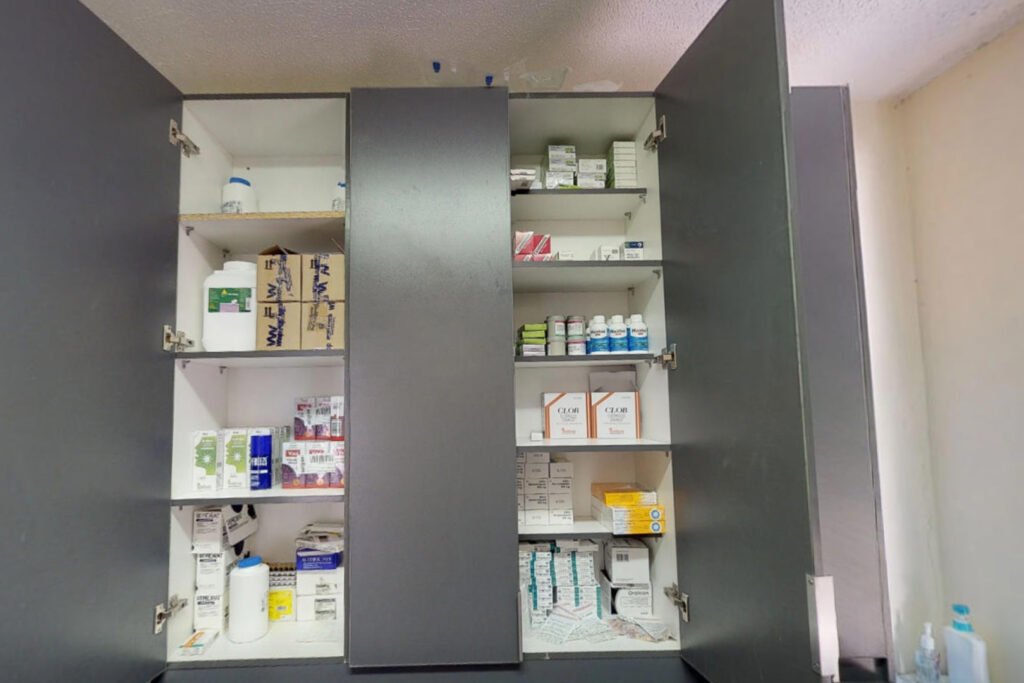
GABORONE, Botswana — For months, the clinics across the Southern African nation of Botswana had been running on empty.
When the crates finally arrived in December, they were treated as a salvation: a fresh supply of the four-drug cocktail used to treat tuberculosis, a disease that remains a leading killer in the country.
But as patients began to swallow the pills, the recovery that should have followed never came.
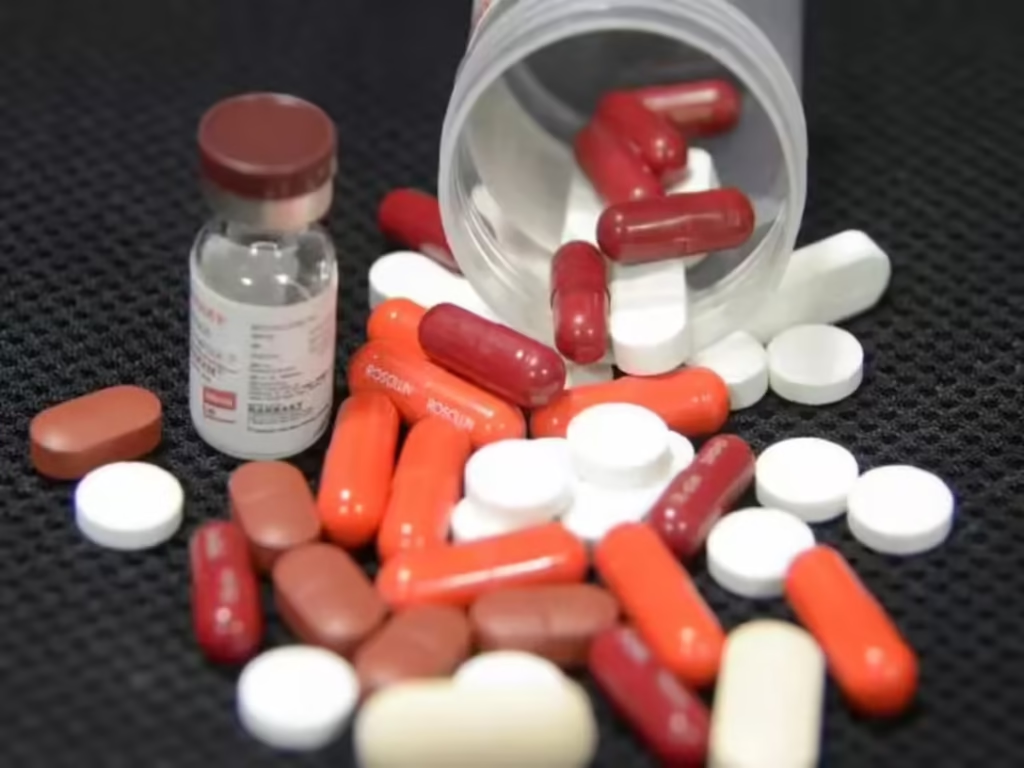
According to Hunterbrokers, the Botswana Ministry of Health issued a quiet but urgent recall of a batch of TB medications after laboratory tests revealed a staggering reality: the drugs were little more than placebos.
They were found to be critically deficient in rifampicin and ethambutol—two of the primary chemical pillars of modern TB therapy.
The consequences of the “bad batch” are already appearing in clinical data.
The ministry reported that cases of “treatment failure”—where a patient fails to improve or remains contagious despite medication—nearly doubled during the period the drugs were in circulation, jumping from 22 cases last year to 40 this year.
Broken Supply Chain
The incident is not merely a local regulatory lapse. Instead, it is a window into a fracturing global pharmaceutical supply chain that is increasingly leaving developing nations to choose between empty shelves and unverified suppliers.
“The country was running out of TB drugs and they were very scarce in the international market,” Christopher Nyanga, a spokesperson for the Ministry of Health, said in an interview.
“Exemptions are common in the health sector when circumstances demand that such an approach be taken.”
In this case, the “exemption” involved bypassing the Global Drug Facility (GDF), the primary international procurement body, which usually requires a four-to-six-month lead time.
Desperate to fill the gap, Botswana turned to Ayesha Biotech, an India-based supplier.
The Botswana Doctors Union has since accused the ministry of engaging a firm with no established history of supplying TB medications.
In a statement to Hunterbrook, Ayesha Biotech admitted to the failure, pledging to replace the medicine at no cost. “Our company takes full responsibility for this occurrence,” the company said.
Ticking Clock
The timing could not be more precarious. TB is a disease of the lungs that thrives in the shadows of poverty and close-quarters living. When treated with substandard drugs, the bacteria do not just survive; they learn.
“We have now realized an increased number of resistant cases,” said Dr. Kefilwe Selema, president of the Botswana Doctors Union.
“It’s a health hazard. We find ourselves in a very porous situation that risks not only Botswana, but the region and the rest of Africa.”
The root of the shortage can be traced back to a series of global tremors. In March, Euroapi, a major French drugmaker, suspended production of active ingredients at a site in Italy following an internal audit that suggested “local misconduct.”
Simultaneously, a sharp reduction in U.S. foreign aid for TB programs—the U.S. traditionally provides a quarter of all international funding—has sent shockwaves through drug procurement budgets.
From the United Kingdom to Australia, health authorities have issued warnings about intermittent shortages of rifampicin.
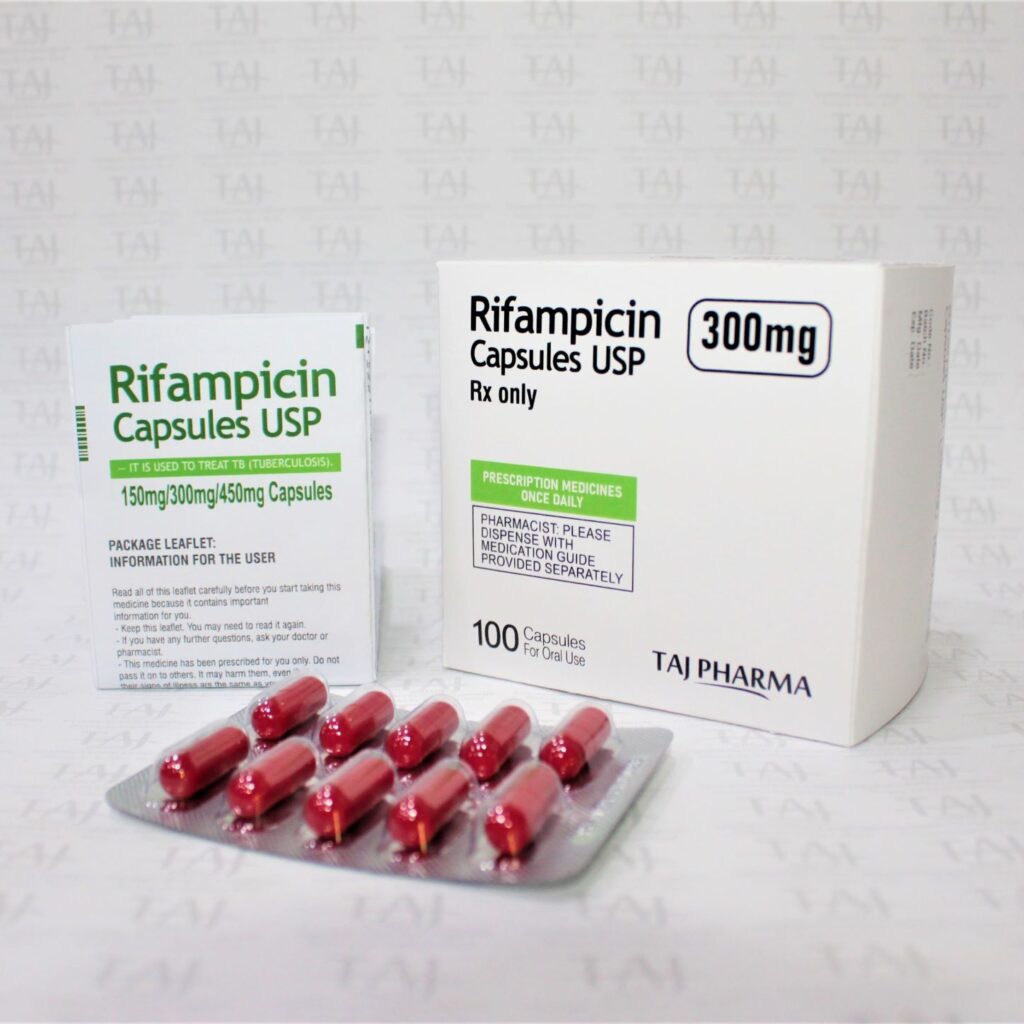
But while wealthy nations manage the crunch through rationing and alternative therapies, nations like Botswana are often forced into a hyper-inflated, “gray” market.
Public Health Emergency
In August, the crisis became so acute that President Duma Boko declared a public health emergency, with the military stepping in to handle drug distribution. Prices for essential medicines, the president noted, had spiked five to ten times their normal rate.
For now, the ministry is urging the public not to panic, emphasizing “cough etiquette” and ventilation. But for the dozens of patients whose infections may have now mutated into drug-resistant strains, the damage is already done.
This article was edited with AI and reviewed by human editors