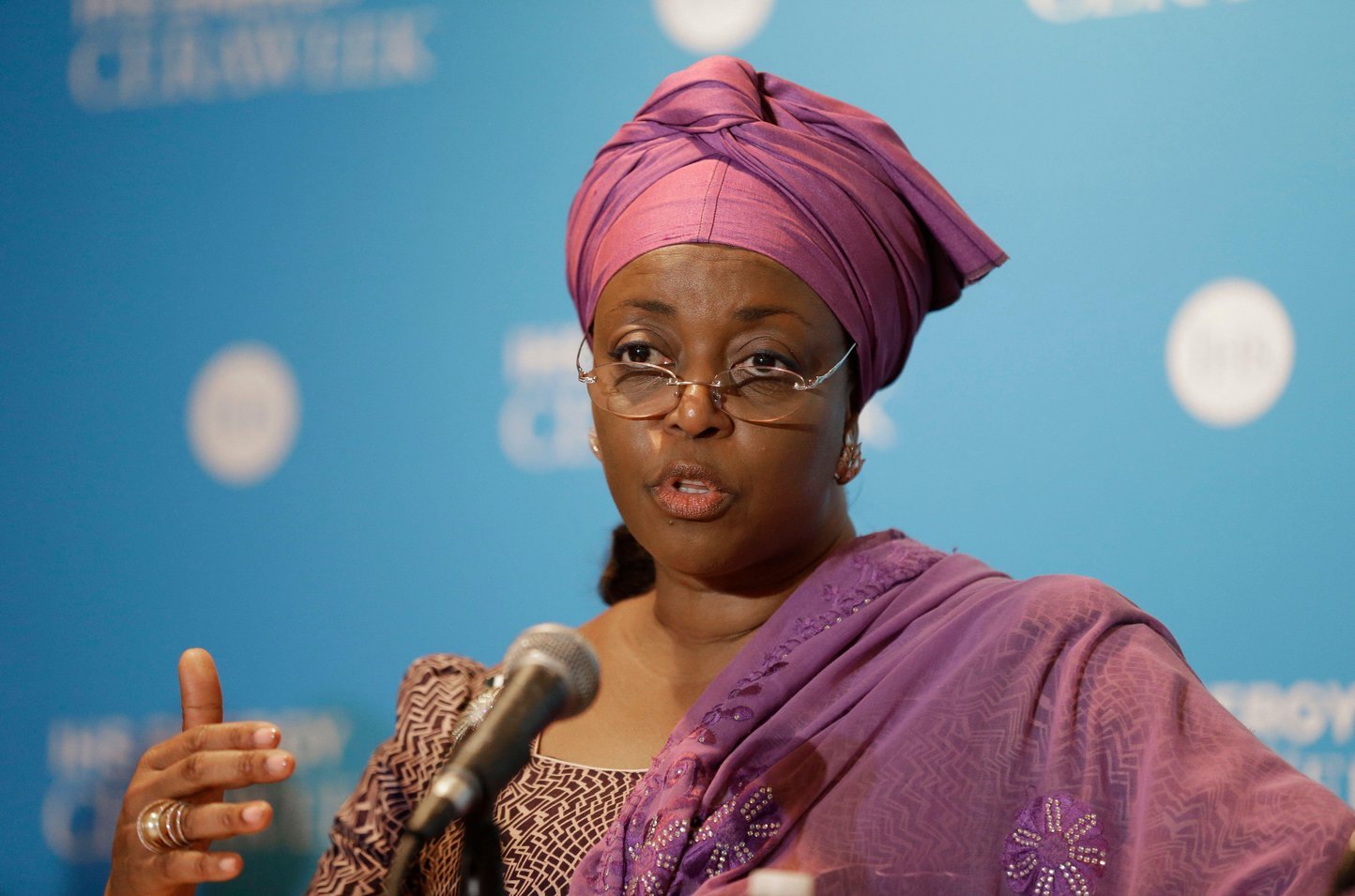
LONDON — For years, Diezani Alison-Madueke was one of the most powerful women in Africa, overseeing the vast, oil-rich spigot of Nigeria’s economy.
But UK prosecutors have painted a different picture: not of a public servant, but of a minister who traded the nation’s mineral wealth for a “life of luxury” in the United Kingdom.
Ms. Alison-Madueke, 65, the former Nigerian Minister of Petroleum Resources, stands accused of accepting a staggering array of bribes from industry figures seeking lucrative government contracts.
The spoils, according to prosecutors, included multimillion-pound estates, chauffeur-driven cars, private jet travel, and “vast quantities” of designer goods from Harrods.
The trial, which opened at Southwark Crown Court, marks a significant moment in the British government’s effort to scrub London’s image as a “laundromat” for international corruption.
“Bribery and corruption undermine the proper functioning of the global market,” Alexandra Healy, the lead prosecutor, told the jury.
Spending in the UK
Ms. Alison-Madueke, who served under former President Goodluck Jonathan from 2010 to 2015, has denied five counts of bribery and one count of conspiracy to commit bribery.
The prosecution’s opening statement read like a catalog of the global elite.
Beyond the £100,000 in cash, jurors were told that oil executives footed the bill for a domestic staff that included a housekeeper, a nanny, a gardener, and even a window cleaner for their British residences.
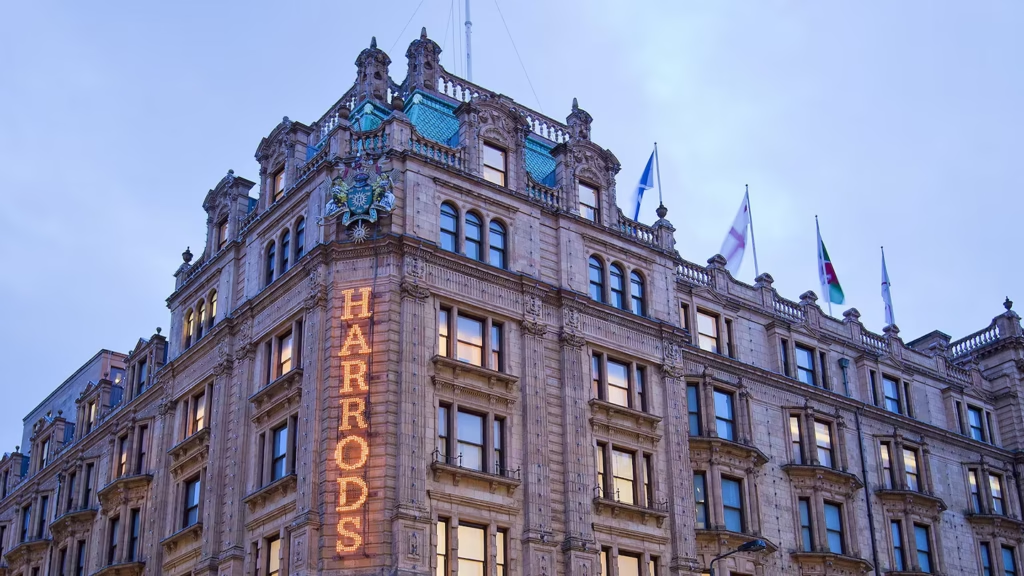
Furthermore, an estimated £4.6 million (about $5.8 million) was allegedly funneled into refurbishing her properties in London and the leafy suburbs of Buckinghamshire.
Sitting in the dock alongside her was Olatimbo Ayinde, 54, an oil executive charged with bribery.
Her brother, Doye Agama, a 69-year-old former archbishop, joined the proceedings via video link for medical reasons, facing charges of conspiracy. Both have pleaded not guilty.
Rise and Fall
Diezani Alison-Madueke studied Architecture in England before moving to the United States to complete her Bachelor’s degree at Howard University in 1992.
She spent approximately 15 years at Shell Nigeria, rising through various senior positions. In 2006, she was appointed as the company’s first female Executive Director in Nigeria.
She was later appointed as Minister of Transportation from 2007 to 2008, Minister of Mines and Steel Development (2008–2010), and Minister of Petroleum Resources in 2010.
During her time as Petroleum Minister, she oversaw the signing of the Nigerian Content Act (2010), aimed at increasing the involvement of indigenous businesses in the oil and gas sector.
She was also a vocal supporter of removing state fuel subsidies to redirect funds toward national infrastructure.
Since leaving office in 2015, Alison-Madueke has been the subject of international investigations regarding allegations of bribery and corruption.
She was first arrested in London by the UK’s National Crime Agency (NCA). This arrest was part of an investigation into suspected bribery and money laundering.
She was released on bail shortly after, but her passport was confiscated, and she remained in the UK for medical treatment (breast cancer) and ongoing investigations.
Corruption in Nigeria’s Oil Sector
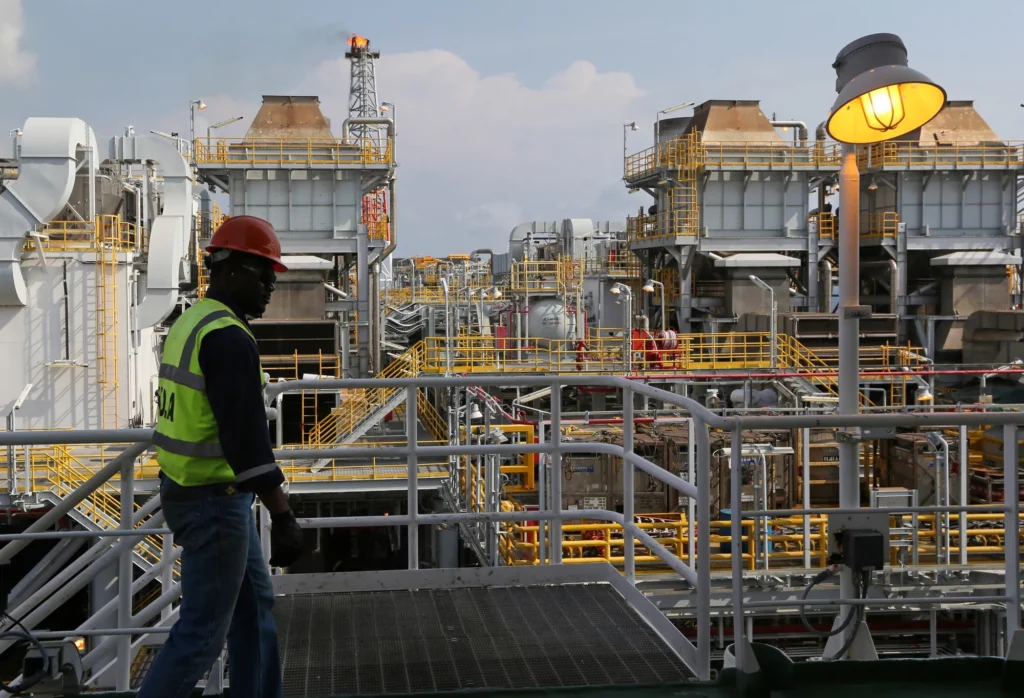
The case strikes at the heart of a long-standing grievance in Nigeria. As a leading member of OPEC, Nigeria possesses some of the world’s largest oil reserves, yet its population remains among the poorest globally.
The “resource curse” has long been blamed on a political class that critics say treats the state-owned Nigerian National Petroleum Corporation (NNPC) as a private bank.
During her tenure, Ms. Alison-Madueke was a formidable figure, the first woman to lead Nigeria’s oil ministry and the first female president of OPEC.
But her time in office was dogged by allegations of missing billions.
In 2014, the then-central bank governor, Lamido Sanusi, was ousted after he blew the whistle on $20 billion in oil revenue that had allegedly failed to make it into the state coffers.
While Ms. Alison-Madueke has long maintained that the allegations against her are politically motivated, British investigators have spent years tracing the flow of money from Lagos to London.
The trial is expected to last 12 weeks, as the court sifts through the complex web of offshore accounts and property deeds that prosecutors say linked Nigerian oil fields to the high-street boutiques of London.
This article was edited with AI and reviewed by human editors