


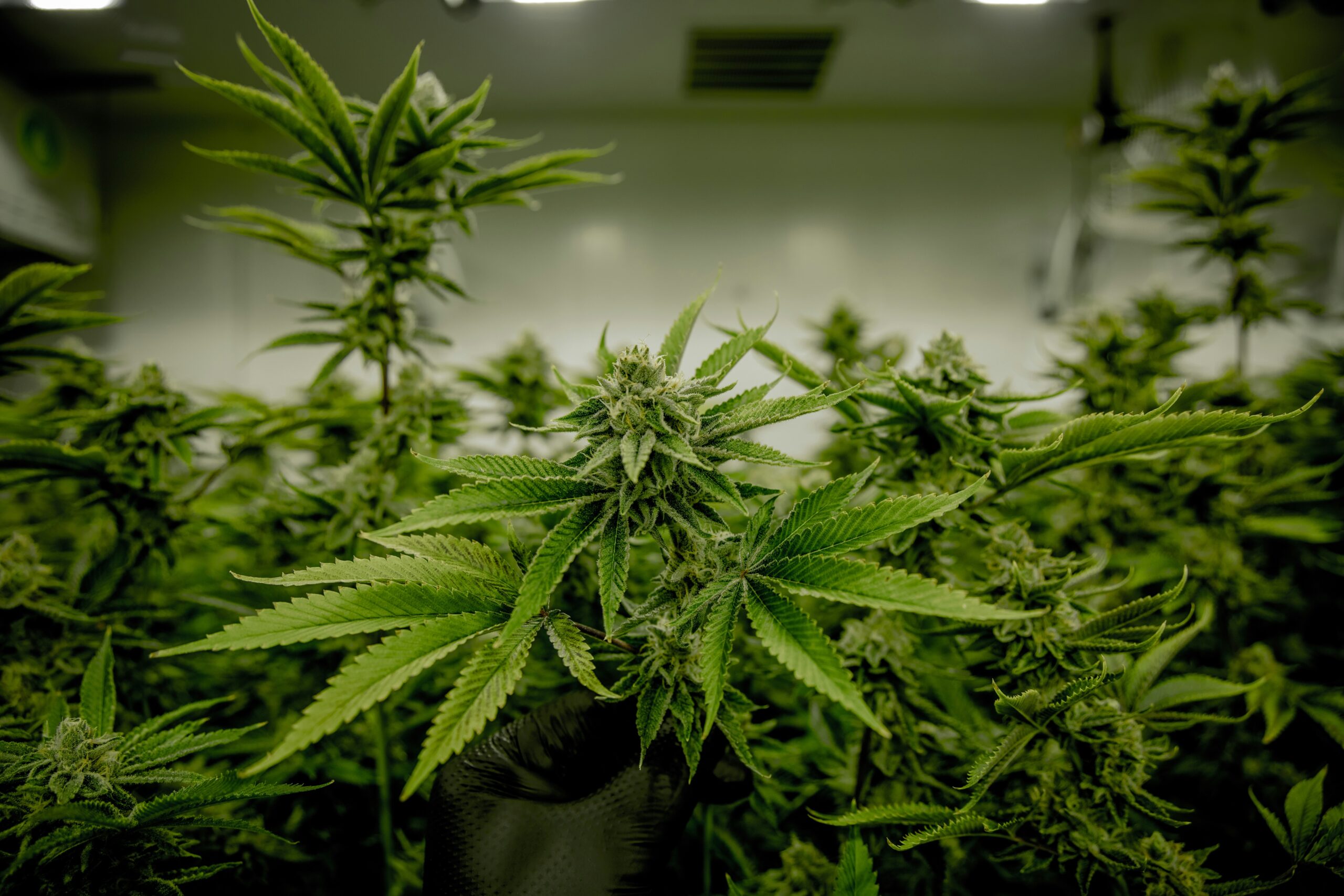
ACCRA, Ghana — For years, the fields of the Bono East Region have been the domain of maize, yams, and cocoa.
But Mariam Alhassan, a farmer from Techiman, saw a different future in the leaves of industrial hemp—a crop she believed could transform the fortunes of the Ghanaian agriculturalist.
That dream, she now argues in a landmark lawsuit, is being strangled by a government-mandated “pay-to-play” scheme designed for the global elite.
On Friday, February 27, 2026, Ms. Alhassan filed a suit in Ghana’s Supreme Court, seeking to strike down the government’s stringent regulatory framework for industrial cannabis.
The filing, which names the Ministry for the Interior, the Narcotics Control Commission (NACOC), and the Attorney-General as defendants, alleges that the current licensing regime is “unconstitutional” and designed to exclude ordinary Ghanaians from an emerging multi-billion-dollar industry.
The Substance of the Suit
At the heart of the legal challenge is the claim that the government has imposed “materially higher, unscaled, and cumulative fees” that make it impossible for smallholder farmers to participate in the legal hemp trade.
Ms. Alhassan argues these fees violate Article 23 of the 1992 Constitution, which guarantees administrative justice and fair treatment.
According to the filing, the plaintiff seeks several specific reliefs:
- A Constitutional Strike-Down: A declaration that the licensing framework under the Narcotics Control Commission Act, 2020 (Act 1019) and L.I. 2475 is inconsistent with the Constitution due to its “exclusionary economic effect.”
- Illegal Taxation: A declaration that fees reaching $45,000 per hectare, alongside annual regulatory levies, constitute de facto taxes. Under Article 174, only Parliament—not an agency—has the power to tax.
- Irrational Security: A declaration that requiring “narcotics-style” transport permits and armed security escorts for industrial hemp is arbitrary and irrational.
- A Mandated Redesign: An order for NACOC to reconsider the framework, implementing a “tiered, scaled, and risk-based” fee structure that removes USD-denominated barriers.
A Regulatory Paradox
The legal challenge highlights a peculiar paradox in Ghana’s trade policy. Under current rules, finished hemp products—lotions, textiles, and soaps—can be imported and sold with minimal friction.
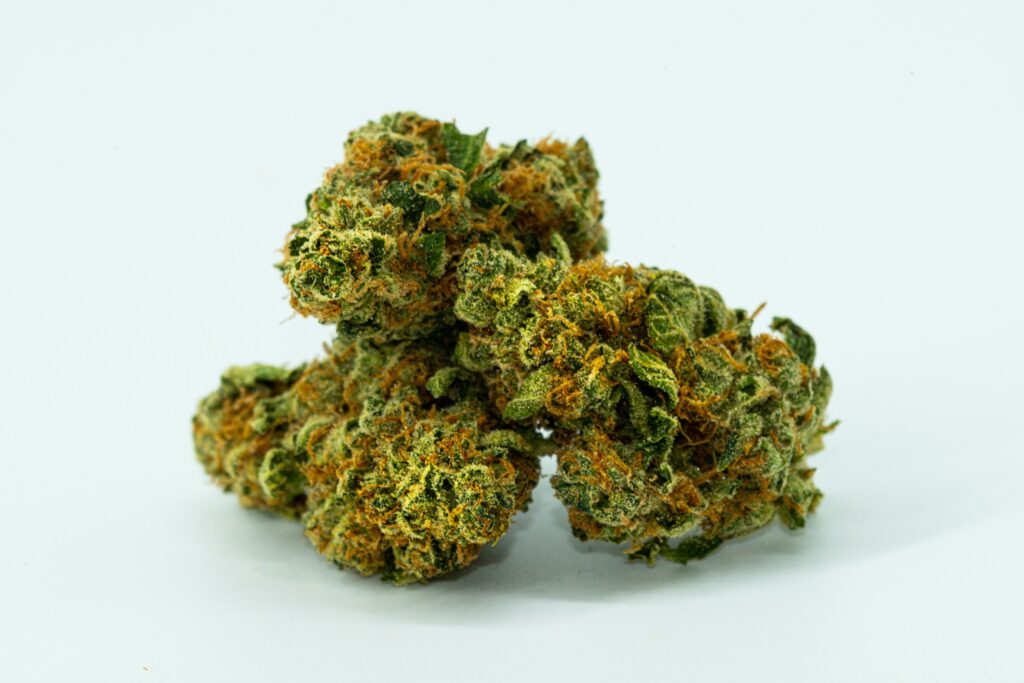
However, if a Ghanaian farmer attempts to grow that same low-THC plant, the activity shifts from product regulation to high-stakes narcotics administration.
“If imported hemp goods circulate normally,” the suit asks, “can domestic production of the same non-narcotic material rationally be treated as a high-risk narcotics activity?”
The hurdles described are exhaustive. Beyond the steep entry fees, producers must navigate a maze of background checks and security vettings.
Moving a harvested crop from a field in Techiman might require armed security escorts, costs typically reserved for controlled substances like cocaine.
The Economics of Marijuana
The lawsuit arrives as the global industrial hemp market enters a period of explosive growth.
Forecasts suggest a market value of $137.67 billion in 2026, with significant growth expected toward 2034.
Other reports, including projections from 2022/2023, suggested a more conservative $100-$101 billion.

In Ghana alone, experts at the Chamber of Cannabis Industry estimate the sector could generate $1 billion annually, rivaling traditional exports like cocoa.
Hemp’s economic appeal lies in its versatility. Its fibers are increasingly sought after for sustainable textiles and “hempcrete” in green construction, while its seeds and oils are staples in the burgeoning wellness and pharmaceutical sectors.
For developing nations, hemp offers a climate-resilient crop that requires 60% less water than cotton and almost no pesticides.
However, Ms. Alhassan’s suit contends that the current fee structure ensures these profits remain out of reach for locals.
By denominating fees in U.S. dollars, the government has created a structural barrier that exposes local farmers to exchange-rate fluctuations, effectively handing the market to foreign investors from North America and Europe who are already eyeing Ghana’s favorable climate.
The Economic Stakes
For Ms. Alhassan and a growing movement of local farmers, industrial hemp is a vital raw material for textiles, construction, and medicine.
They contend that the government ignored extensive stakeholder consultations that advocated for inclusive regulations, choosing instead a structure that favors foreign investors who can weather exchange-rate fluctuations.
As the Supreme Court prepares to hear the case, the outcome will likely determine whether Ghana’s “green gold” rush will be an engine for national growth or a closed shop for the few.
This article was edited with AI and reviewed by human editors



Follow