


Story Highlights
- Senegal’s president has signed a law imposing up to 10 years in prison for same-sex relations — double the previous maximum.
- The law also criminalises the “promotion” of homosexuality, putting activists, journalists, and health workers at risk.
- The bill passed parliament 135 to zero, with just three abstentions.
- The UN, Human Rights Watch, and international health bodies have condemned the legislation.
- Senegal joins a growing list of African countries — including Mali, Burkina Faso, and Uganda — tightening anti-LGBTQ laws.
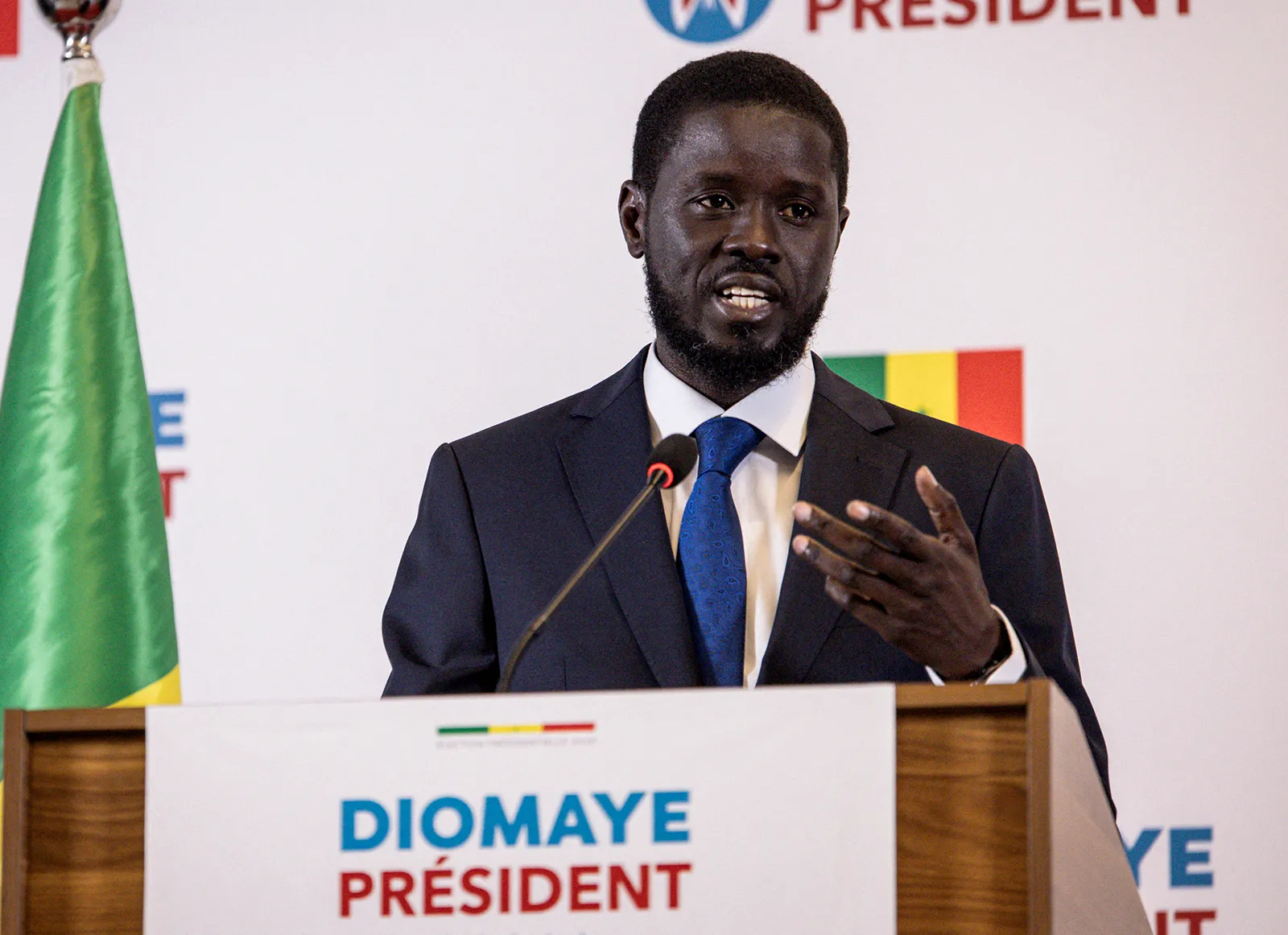
Senegal’s President Bassirou Diomaye Faye has signed a new law doubling to 10 years the maximum prison term for sexual acts by same-sex couples.
The signing, which came just weeks after parliament approved the bill, ended any remaining uncertainty about whether the president would heed calls from international human rights bodies to reject it.
The new law also criminalises the “promotion” of homosexuality, which includes any public representation and financial support by individuals or organisations, and provides for three to seven years in prison for those found guilty.
The legislation was a campaign promise of President Faye and Prime Minister Ousmane Sonko and was approved by parliament last month.
What the Law Says
Before this amendment, under Article 319.3 of the Penal Code, anyone who commits an “unnatural act with an individual of the same sex” was liable to imprisonment for one to five years and a fine. The new law dramatically raises the floor and ceiling.
Prime Minister Sonko stated: “Any person who commits an unnatural act shall be punished with imprisonment for five to ten years” and that if the act involves a minor, “the maximum sentence will be imposed” and “the judge may not suspend the sentence or reduce the term of imprisonment below the minimum sentence.”
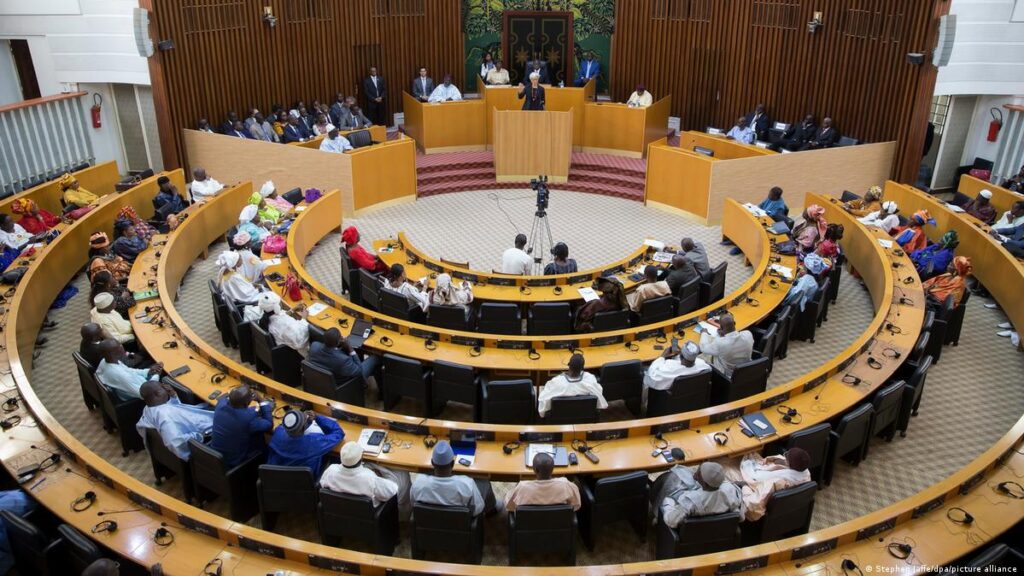
The bill amends Article 319 of the Penal Code, passed by a vote of 135 to none, with three abstentions.
It introduces sweeping new provisions targeting the “promotion” or “glorification” of homosexuality, bisexuality, and transsexuality, marking the first time that Senegal has outlawed expressing public support for a marginalised group of people.
A Long Time Coming
This did not happen overnight. The battle over LGBTQ rights has been prominent in Senegal for nearly a decade. This is parliament’s fourth anti-homosexuality initiative, following those of 2016, 2021, and 2024.
Human Rights Watch noted a rise in “hostility toward LGBT people,” adding that MPs had twice — in 2022 and 2024 — unsuccessfully sought to raise jail terms before this attempt succeeded.
A wave of arrests preceded the bill’s introduction. In February, 12 men, including two public figures and a journalist, were arrested and charged with “acts against nature.”
Social media in Senegal was flooded with homophobic messages and calls to out individuals accused of same-sex activity, spawning headlines such as “Big homo clean-up.”
The Human Cost
Even prior to the law’s passage, LGBTQ people in Senegal were living in a state of fear following a wave of arrests in late 2025 and early 2026.
A significant number of LGBTQ Senegalese have fled the country, while many more are actively planning to leave. But for the many who lack the means, there is no escape.
Beyond individual safety, public health advocates are sounding alarms. Senegal’s National Council for the Fight Against AIDS has warned that such legislative excesses have led to individuals avoiding HIV testing and treatment facilities and the collapse of critical support networks due to fear of stigmatisation, weakening the entire prevention infrastructure.
The World Pushes Back
The government dismissed international criticism, arguing the measures reflect the will of the Senegalese people — but the condemnations have been swift and pointed.
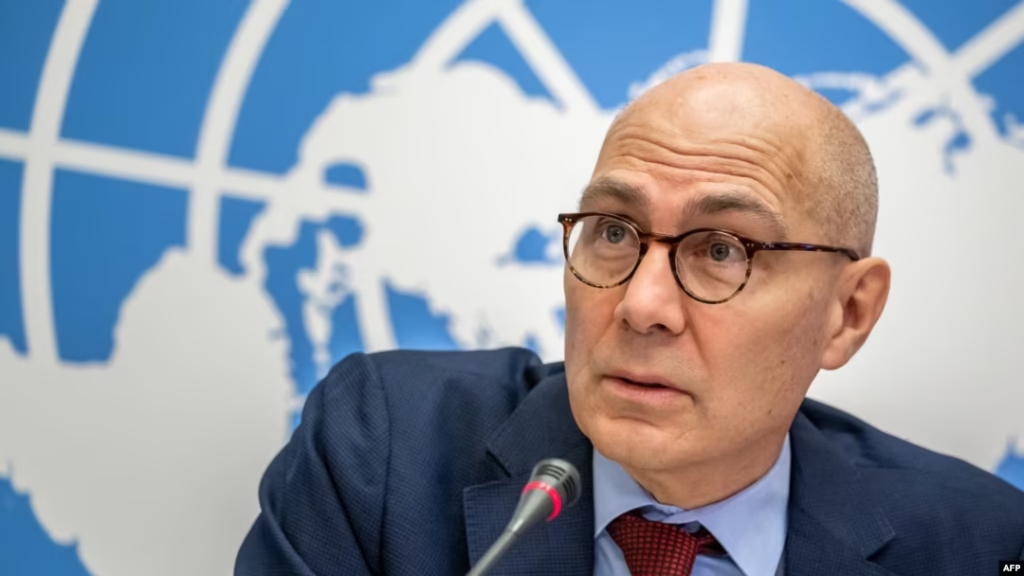
UN Human Rights Chief Volker Türk called the law “deeply worrying,” saying it “flies in the face of the sacrosanct human rights we all enjoy” and urged the president not to sign it into force.
Under the African Charter on Human and Peoples’ Rights and the international covenants Senegal has freely ratified, the government has a binding obligation to protect the dignity, health, and safety of all its citizens.
A Continent-Wide Trend
Senegal is not acting in isolation. In September last year, Burkina Faso’s transitional parliament approved a bill banning homosexual acts, following its neighbour, Mali, in 2024.
In 2023, Uganda voted in some of the world’s harshest anti-homosexual legislation, meaning that people engaging in same-sex relationships can be sentenced to death in certain circumstances.
Senegal’s new law is not an isolated act — it is part of a dangerous global trend of governments weaponising legislation against LGBTQ people and those who support them. For the people caught in its path, that pattern offers no comfort.

This article was edited with AI and reviewed by human editors



Follow