The 4th African Inter-Parliamentary Conference on Family, Sovereignty and Values takes place between 3-6 June at an upmarket Accra hotel: the Four Points by Sheraton, where rooms cost $300 a night.
The sub-heading of the conference is: ‘Consolidating Parliamentary Consensus. Advancing the African Charter on Family Values and Sovereignty.’
The conference is billed as an African event. African parliamentarians – primarily from Uganda and Ghana – will be the main participants. Ghanaian parliamentarians are taking the conference planning and organisation forward.
They include Second Deputy Speaker, Andrew Asiamah, and two key sponsors of Ghana’s ‘Human Sexual Rights and Family Values Bill, 2025’ – aka the ‘anti-gay’ bill – Samuel Nartey George, Member of Parliament for Ningo-Prampram and Minister for Communication, Digital Technology & Innovation, and Rev. John Ntim Fordjour, Member of Parliament for Assin South and former Deputy Minister of Education.
The involvement of prominent Ghanaian parliamentarians may obscure that the direction, financing, and ideological focus of the conference are not African.
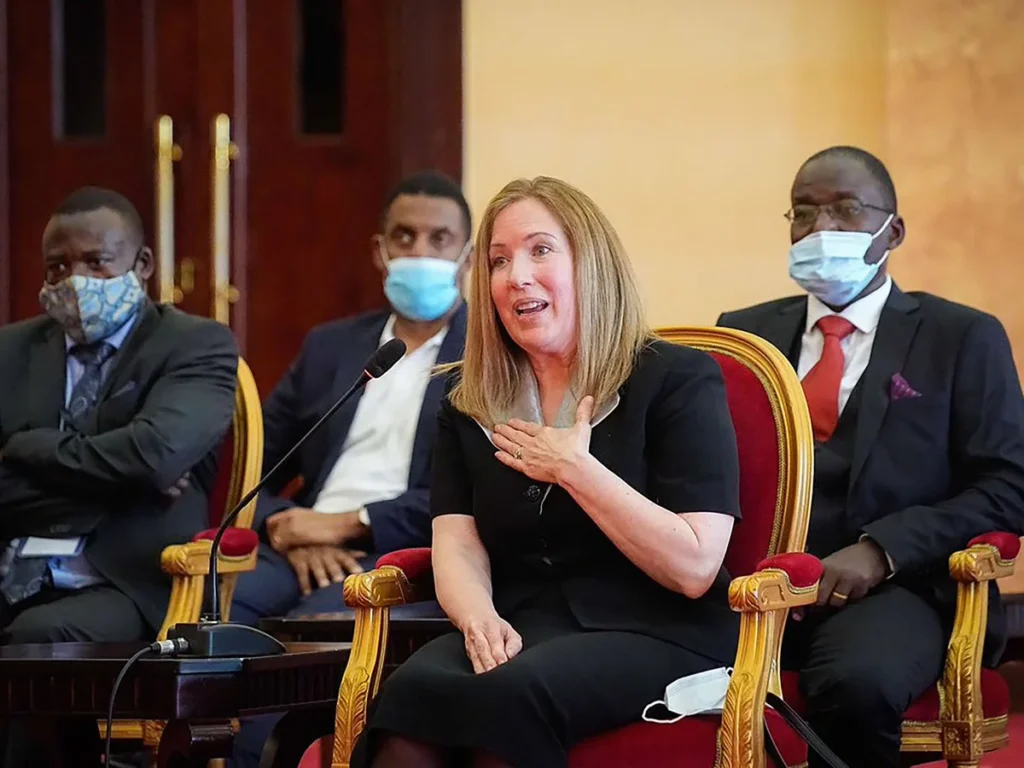
Behind the African faces and the ‘protection-of-family-values-and-sovereignty’ language are two wealthy and influential Western far-right organisations: USA-based Family Watch International, and Christian Council International from the Netherlands.
Both organisations have close ties to President Donald Trump and his administration, and seem determined to impose their alien ideas and values on Africans.
Sharon Slater, President of Family Watch International – designated as a ‘hate group’ by the Southern Poverty Law Centre – and Henk Jan van Schothorst, founder and CEO of Christian Council International (CCI), have been spreading their anti-rights narratives into Africa since the 2010s.
They target Africa with their anti-rights values and ideologies under the guise of protecting ‘African traditional family values’ and Africa’s ‘sovereignty’.
Van Schothorst’s organisation, CCI, claims that it drafted the anti-rights ‘African Charter on Family Sovereignty and Values’.
The Accra conference is part of a process aiming to arrive at a finalised ‘African Charter on Family Sovereignty and Values’ presented to the African Union for ratification.
The draft charter prescribes discrimination and the rolling back of rights across Africa. It is no coincidence that the first three conferences were held in Uganda, where in 2023 President Yoweri Museveni signed into law a draconian ‘anti-gay law’, with homosexual activities punishable by death.
Ghana’s position as a bastion of democracy in a region undergoing democratic backsliding is lending legitimacy to the anti-rights agenda.
The background to the Accra conference is that many Africans are concerned about what they regard as the baleful influence of Western-style modernisation, believing it to be a key driver of cultural erosion and moral decline.
Rapid adoption of Western norms by many young people is thought to have created a ‘moral vacuum’, with traditional values – such as communal responsibility, respect for elders, and modesty – replace by rampant individualism, materialism, and corruption.
The dual focus of the 4th Interparliamentary Conference on Family Values and Sovereignty – ‘family values’ and ‘sovereignty’ – no doubt appeals to many Africans concerned that, in the race for progress and development, traditional values are being lost.
It is, however, a concern that Africans’ legitimate concerns are being weaponised by Western far-right groups and their local allies, while Africa’s long history of tolerance and harmonious inter-cultural living is ignored, as are Africa’s historically diverse and fluid social structures.
Instead, the conference focuses on a narrow, ‘imported’, definition of ‘family’ and ‘values’ that overlooks the continent’s history of tolerance and community-focused ‘living well together’ and respect for diversity.
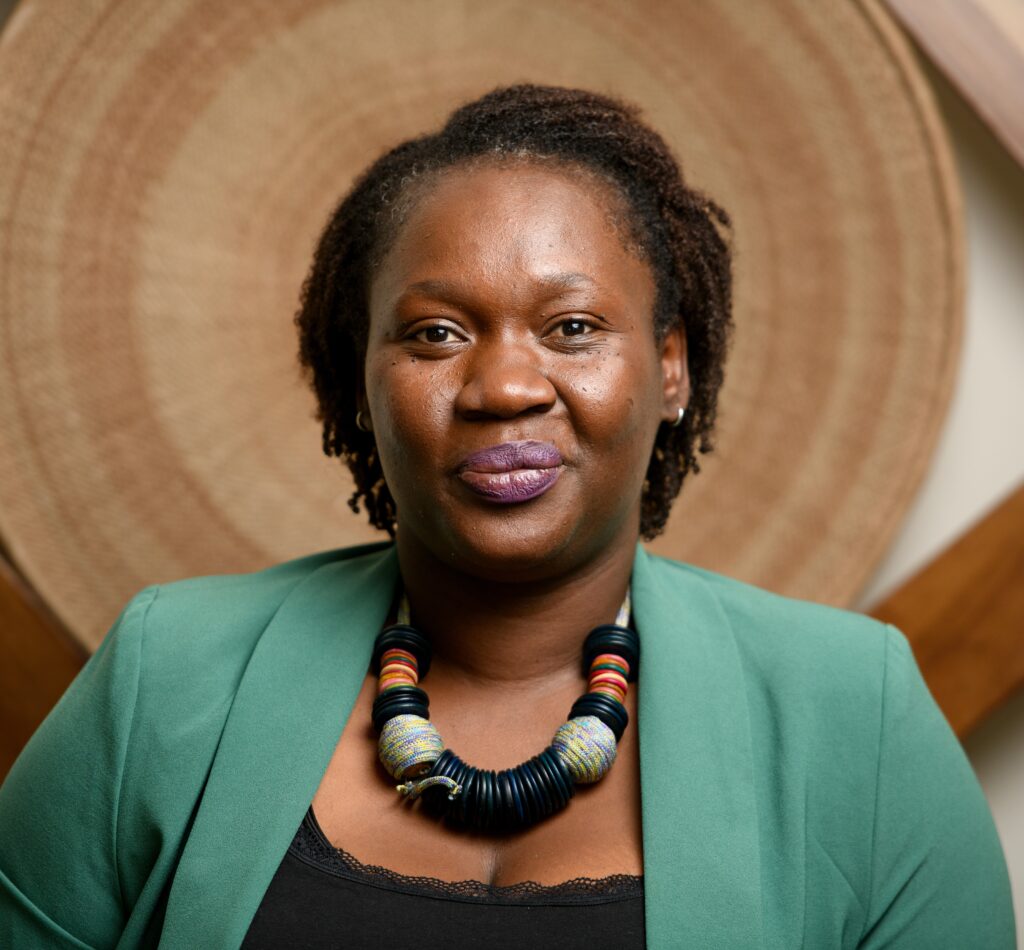
Critics, such as Kemi Akinfaderin of Fòs Feminista, a global feminist alliance for reproductive justice with 180 partners across 35 countries, argue that such conferences impose Western anti-liberal agendas under the guise of defending tradition.
Often, they seek to address Western “concerns” like falling birth rates, which are not relevant to the African context, where rapid population growth is seen by some as a challenge at a time of climate change and associated demographic pressures on natural resources.
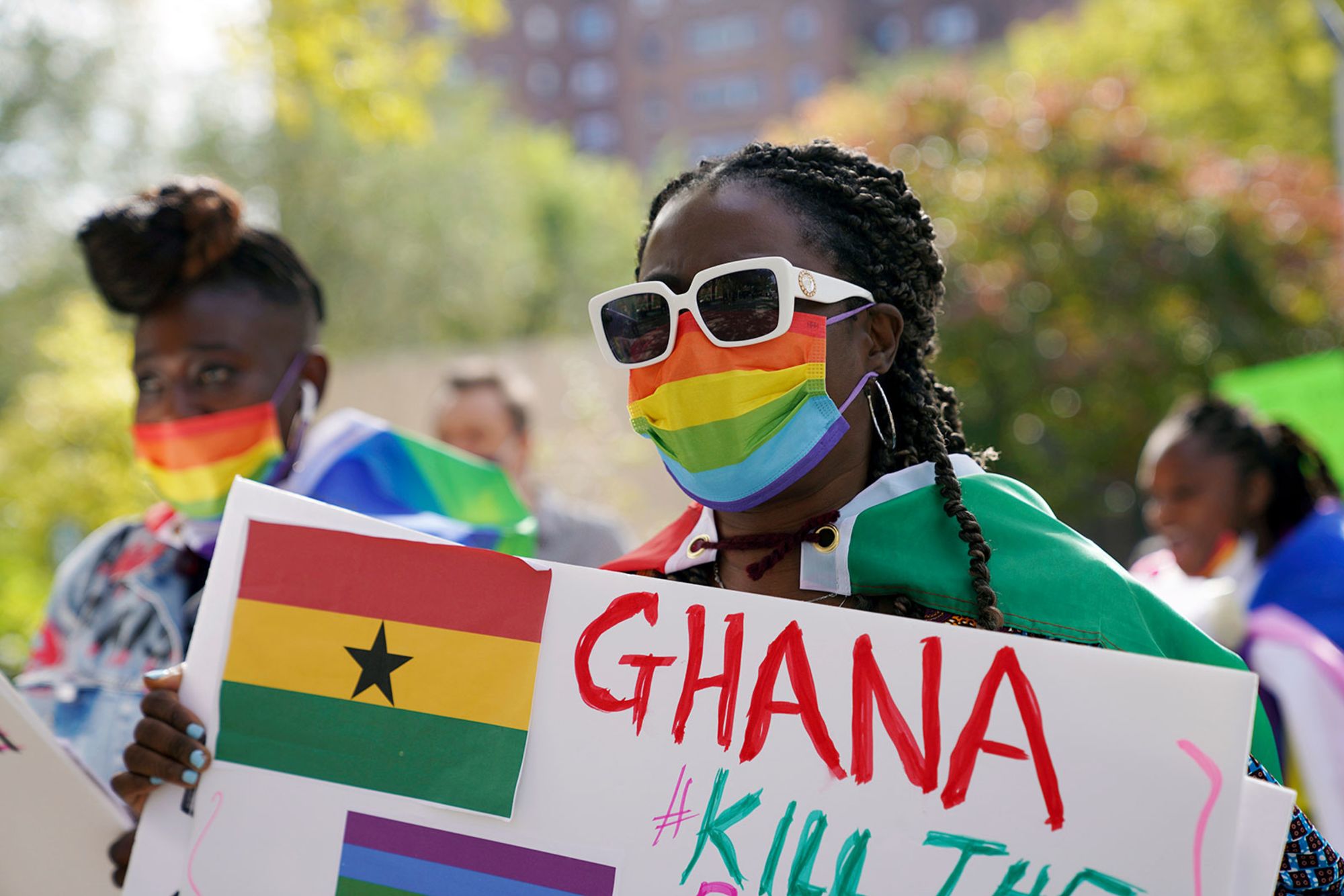
A fight back is now underway. Calls are growing for the Four Points by Sheraton, a Marriott International franchisee, to withdraw from hosting the event, with activists highlighting the hotel’s involvement on social media.
A human rights advocacy group, JustRight Ghana, is urging “Marriott to act swiftly & responsibly … A company with a global commitment to diversity, inclusion, and human rights cannot remain silent while its facilities are used to host a conference associated with anti-women agendas and anti-LGBTQ+ issue.”
Campaigners have also encouraged people to boycott the venue and leave negative reviews on platforms such as Google.
The conference is scheduled to go ahead at the Four Points. It is important to be aware that for those concerned with Africans’ human rights, the conference is an important event that could shape the future direction of human rights in the region.
Make no mistake, the Accra conference is a heavyweight gathering: parliamentary figures, legal institutions, advocacy organisations, and African Union engagement, collectively working on anti-human rights strategies, strongly suggest that the Accra conference is not merely a symbolic gathering.
Instead, it is a strategic consolidation point for a broader, Western far-right-directed initiative with the objective of reshaping Africa’s governance, family policy, gender rights, and human rights frameworks.