STORY HIGHLIGHTS
- Six Ghanaian master’s students at Loughborough University are owed £238,852 in tuition fees and stipends dating back to September 2024
- Students staged a four-hour peaceful protest outside the Ghana High Commission in London on June 16, 2026 — no official emerged to engage them
- Two students who entered the building were allegedly verbally abused, and one was physically assaulted; recordings were forcibly deleted from her phone
- Medical examination confirmed the assaulted student sustained soft tissue damage
- A graduation deadline of July 7, 2026, now looms with certificates withheld by Loughborough University
- Ghana’s scholarship debt crisis is wider — the current administration inherited an estimated £32 million in arrears
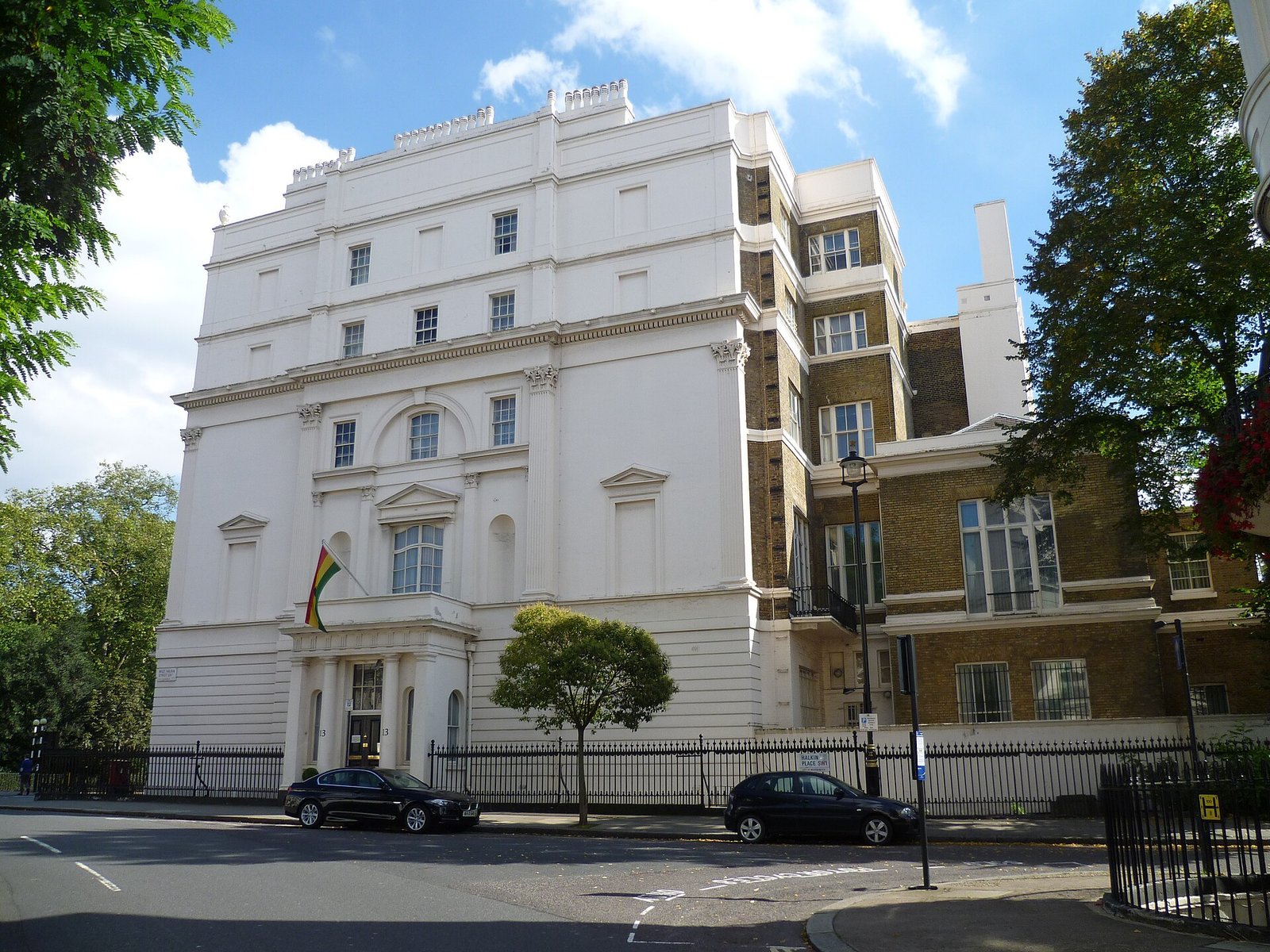
LONDON, UK — When six Ghanaian master’s students arrived at Belgrave Square in London on the morning of June 16, they came armed not with placards of rage but with a simple demand: be seen, be heard, and be paid.
What unfolded over the next several hours included an alleged assault of some students and the confiscation and deletion of recorded videos from students’ phones.
The issue has reached a boiling point and exposed the human cost of Ghana’s long-running scholarship debt crisis.
Left Without Pay for Nearly Two Years
The six students — Noah Krah, Emmanuel Boakye, George Osei Buabeng, Abena Fosuaa Gyasi, Irene Pomaa Kumi, and Dwomoh Evelyn — were awarded government scholarships to pursue master’s degree programmes at Loughborough University for the 2024/2025 academic year.
According to the students, the Ghana Scholarships Authority (GSA) has failed to pay their tuition fees and monthly stipends since they commenced their studies in September 2024, despite repeated assurances from government officials.
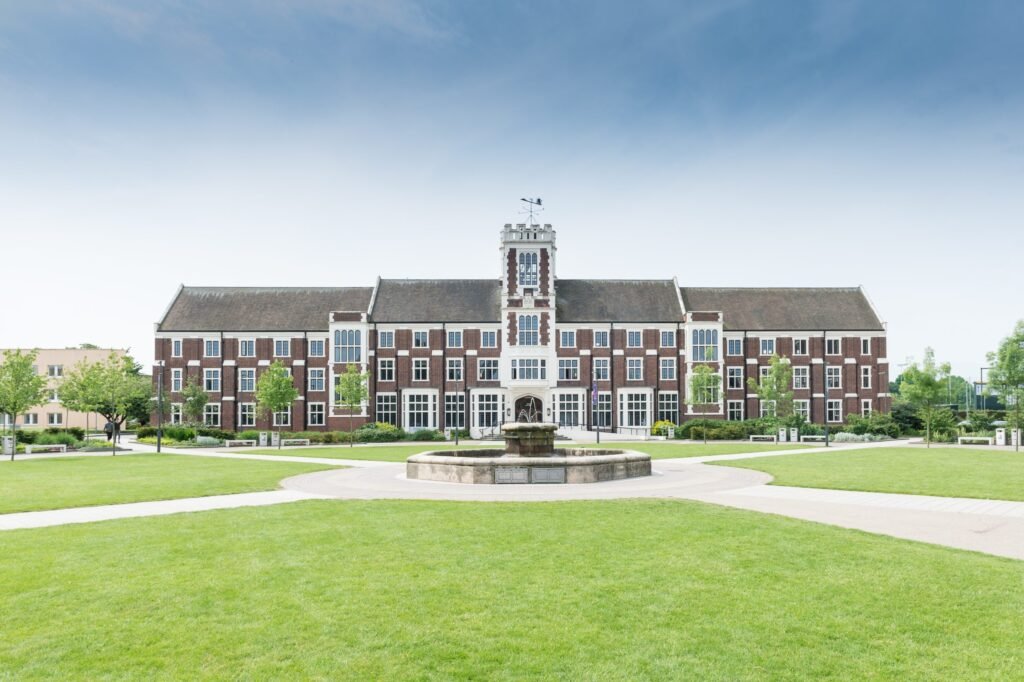
The outstanding debt amounts to an estimated £238,852 — comprising £154,000 in tuition fees and £84,852 in stipend arrears.
As a result, Loughborough University has withheld their academic certificates and transcripts, preventing them from graduating despite completing all required coursework.
Their scheduled graduation is July 7, 2026 — less than three weeks away.
The students said they spent the past eight months pursuing various channels to resolve the matter, including meetings with officials at the Ghana High Commission, petitions to the High Commissioner, the UK Prime Minister’s Office, and an intervention from Dr. Jeevun Sandher, Member of Parliament for Loughborough.
A communiqué issued by the Director of the Ghana Scholarships Authority on April 16, 2026, indicated that funds had been released by the Government of Ghana to settle scholarship-related debts in the UK.
However, the students say neither they nor the university received any payment.
Four Hours of Silence, Then Confrontation
On June 16, the group staged what they described as a peaceful four-hour demonstration outside the Ghana High Commission. Not a single official came outside to speak with them — no acknowledgement, no engagement, and no response through any formal channel, according to group convener Noah Krah.
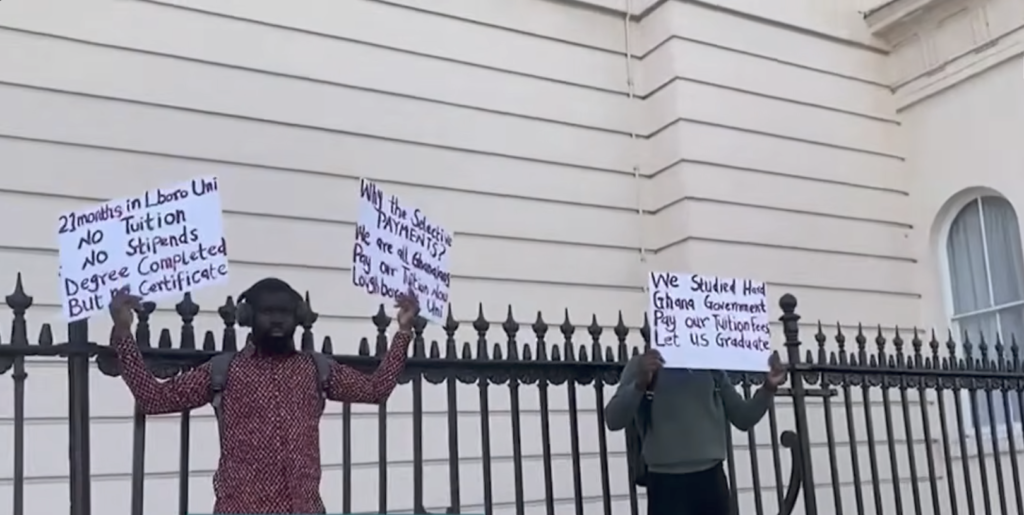
Two students eventually entered the building, following standard protocols and waiting in the reception area. What happened next is at the centre of a now-escalating allegation of abuse.
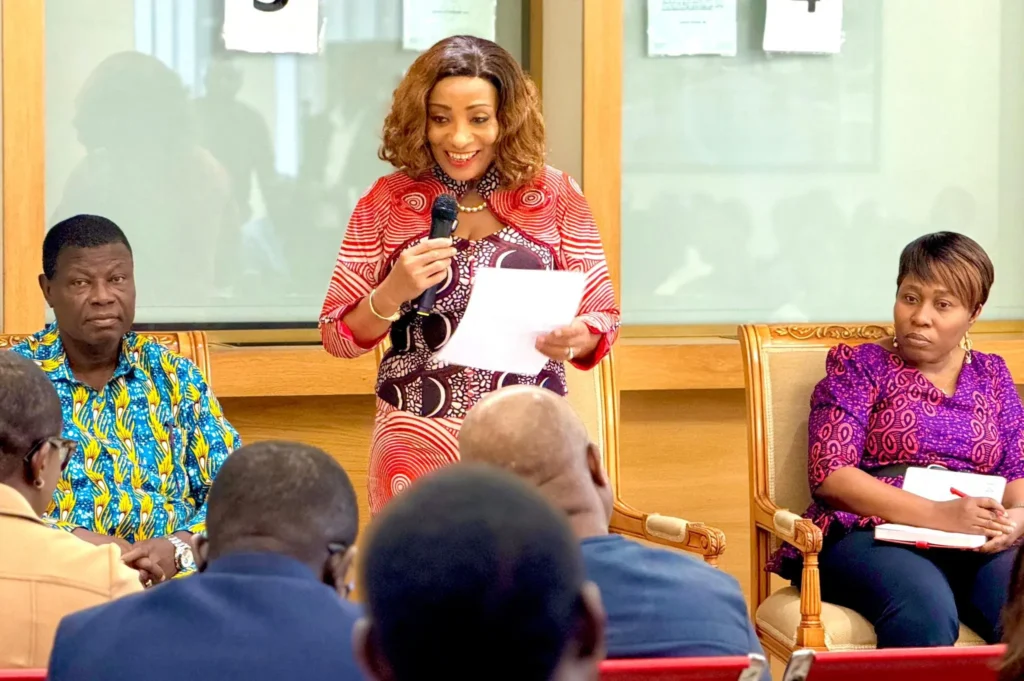
Krah alleged that High Commissioner Sabah Zita Benson and a staff member identified as Bridget Bonney came down from their office and subjected the two students to verbal abuse — calling them “kwasiafoɔ,” describing them as “useless people,” and stating they did not deserve taxpayers’ money.
When student Abena Fosuaa Gyasi attempted to record the incident on her phone, Bonney and other individuals whose identities are yet to be established allegedly forced her to hand over her phone and deleted all her recordings — including interviews she had conducted for her academic work.
Medical authorities subsequently confirmed that the student sustained soft tissue damage that could take up to two weeks to heal. She was prescribed medication, advised to report the matter to the police, Citizen Advice, and the Ombudsman, and had an X-ray conducted during her examination.
The group has also arranged mental health support for her, describing her as traumatised.
Demands and Legal Action
The students have called for an immediate investigation into the conduct of the officials involved, urgent payment of all outstanding tuition fees and stipends ahead of their July 7 graduation, and a formal written apology to Ms. Gyasi.
They have also indicated plans to report the incident to the Metropolitan Police and pursue legal action under UK law.
A formal complaint submitted to the Head of Education and Recruitment at the Ghana High Commission has, as of the time of reporting, received no response.
Part of a Deeper Crisis
The Loughborough six are not alone. Their ordeal is a concentrated expression of a scholarship debt crisis that stretches far beyond one cohort at one university.
The current Mahama administration inherited a staggering £32 million in scholarship arrears — a burden that has continued to strain the 2026 national budget.
British universities have responded by reporting “inactive” Ghanaian students to the Home Office, while the UK government has shifted from issuing “letters of comfort” to demanding concrete payment timelines.
An earlier cohort of PhD students had planned a separate protest in April 2026, with their leadership reporting that most members were owed between 15 and 40 months of living allowances, and that some had already been withdrawn from their programmes or faced deportation after losing student status.
High Commissioner Benson herself previously acknowledged the scale of the problem, noting that Ghana owes Loughborough University alone almost half a million pounds from 2022 for just 17 students.
She has attributed the delays to administrative bottlenecks at the Ministry of Finance rather than a lack of political will — a framing the Loughborough six clearly no longer find adequate.
The Human Stakes
What began as a funding delay has curdled into something harder to resolve: a credibility crisis for the Ghana High Commission in London, a potential criminal complaint against its leadership, and six young professionals on the cusp of completing their graduate degrees — unable to collect them.
Whether the government moves before that date — and whether there is accountability for what happened inside Belgrave Square — will signal something important about how Ghana treats the scholars it sends abroad in its name.
This article was edited with AI and reviewed by human editors