


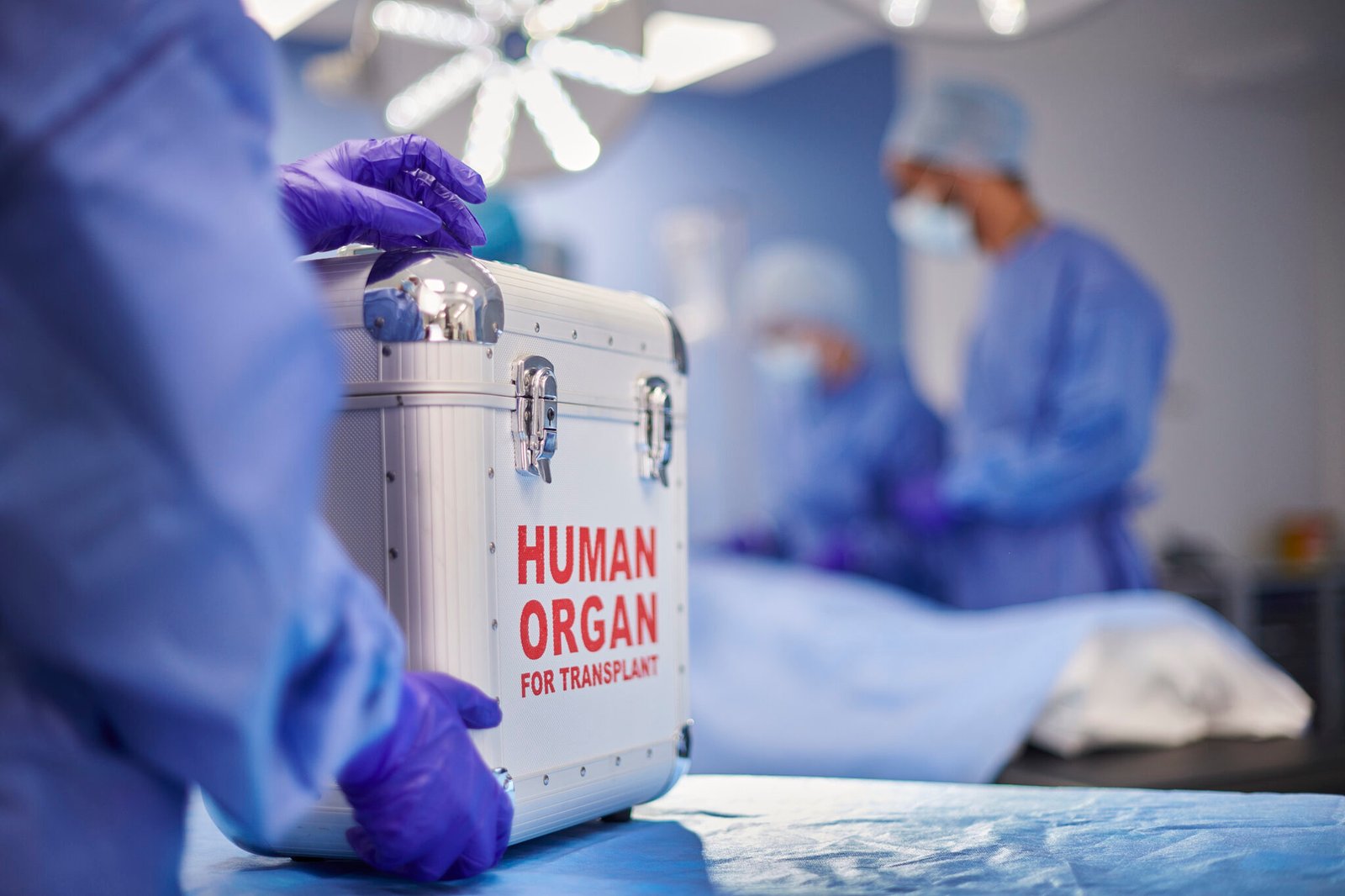
Story Highlights
- Ghana’s Ministry of Health has launched the process to develop a National Human Tissue and Organ Transplantation Policy, following an inaugural stakeholder meeting this month.
- Ghana currently has 1,195 patients on haemodialysis, but only 0.44 nephrologists per million people and gross regional inequities in dialysis access.
- An estimated 26,000 Ghanaians are awaiting corneal transplants, while roughly 230,000 are blind and 330,000 have severe vision loss.
- Ghana has no organ donation law; advocacy groups, lawmakers and Korle Bu Teaching Hospital have pushed for legislation for years without success.
- Ghana performed its first locally engineered kidney transplants at Korle Bu Teaching Hospital in July 2023, but donations remain restricted to family members.
Accra, Ghana — Ghana’s Ministry of Health has begun drafting the country’s first national policy on human tissue and organ transplantation, a development officials and advocates describe as a milestone in a campaign for legal reform that has stalled in Parliament for years.
A Policy Process Begins
The inaugural meeting to develop the policy brought together senior ministry officials, including Chief Director Desmond Boateng and Dr. Belinda Nimako, Director of Policy, Planning, Monitoring and Evaluation, along with members of Ghana’s Cornea Working Group and the Cure Blindness Project, formerly the Himalayan Cataract Project.
The gathering, held around World Organ Donation Day, marked the formal start of an effort that stakeholders say could eventually pave the way for an eye bank and expand access to corneal and organ transplants nationwide.
Dr. Kojo Amoah, chairman of the Cornea Working Group, called the moment a defining one for the country, saying progress toward enabling legislation reflects what shared commitment among government, health professionals and the public can achieve.
The policy process is distinct from — but closely tied to — a long-pending Organ and Tissue Donation Bill that has circulated among Ghanaian lawmakers, hospitals and advocacy campaigns for more than a decade without passage.
The Legal Vacuum
Ghana currently has no law governing the harvesting, donation or transplantation of human organs. Medical practitioners have long described this as a barrier that contributes to avoidable deaths in major hospitals.
A bill circulating in Parliament, if passed, would allow individuals outside a patient’s immediate family to donate organs with consent, and would permit people to consent in advance to having their organs harvested after death — a practice known as cadaveric donation.
Under current practice, Ghana’s hospitals accept organ donations only from family members, a restriction that advocates warn could leave patients without options if no compatible relative is available.
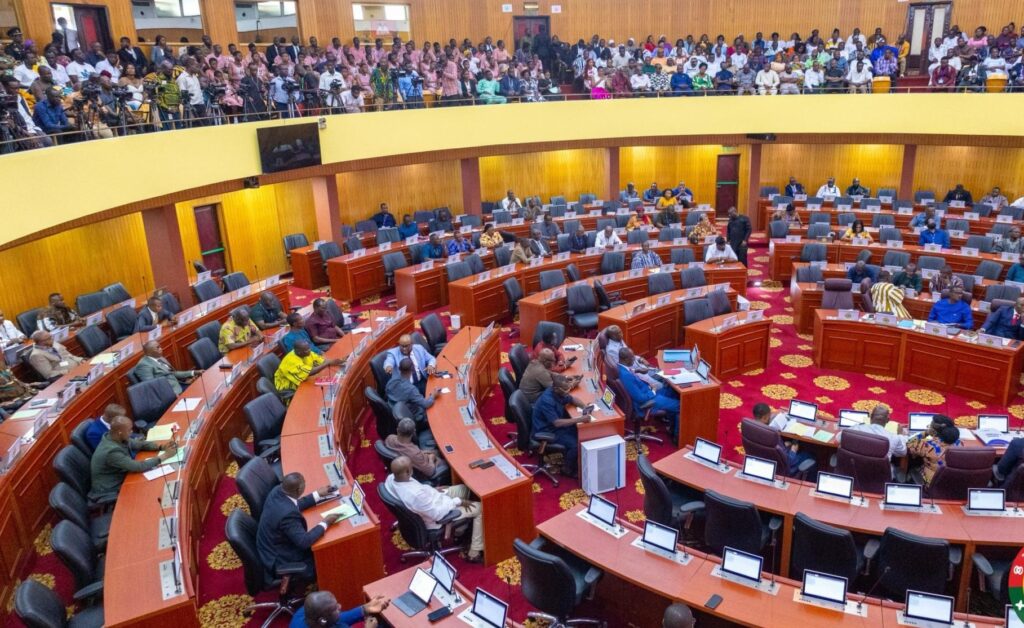
Members of Parliament have repeatedly pressed for action. In February 2025, Nadowli/Kaleo MP Anthony Mwinkaara Sumah told Parliament that the absence of a legal framework leaves the country without a system to regulate organ transplants or curb illegal practices, and warned that the vacuum creates room for organ trafficking and transplant tourism.
He noted that globally only about 10 percent of tissue and organ transplantation needs are met, while the scale of unmet need across Africa, including Ghana, remains largely undocumented.
Cost pressures underscore the urgency. Parliamentary records show that seeking a kidney transplant abroad, particularly in Asia, can cost patients roughly $250,000, compared with a preliminary estimate of about $21,000 for the same procedure performed domestically.
The Scale of Need
Ghana’s kidney disease burden is substantial and unevenly served. Chronic kidney disease affects an estimated 13.3 percent of the population, driven largely by chronic glomerulonephritis, diabetes and hypertension.
Of 51 haemodialysis centres set up nationwide, only 40 are functioning; 65 percent of them are concentrated in the Greater Accra region, while seven of Ghana’s regions have just one centre each.
The country has only 9.7 dialysis machines per million people and 0.44 nephrologists per million — a workforce gap researchers describe as a significant constraint despite the high disease burden.
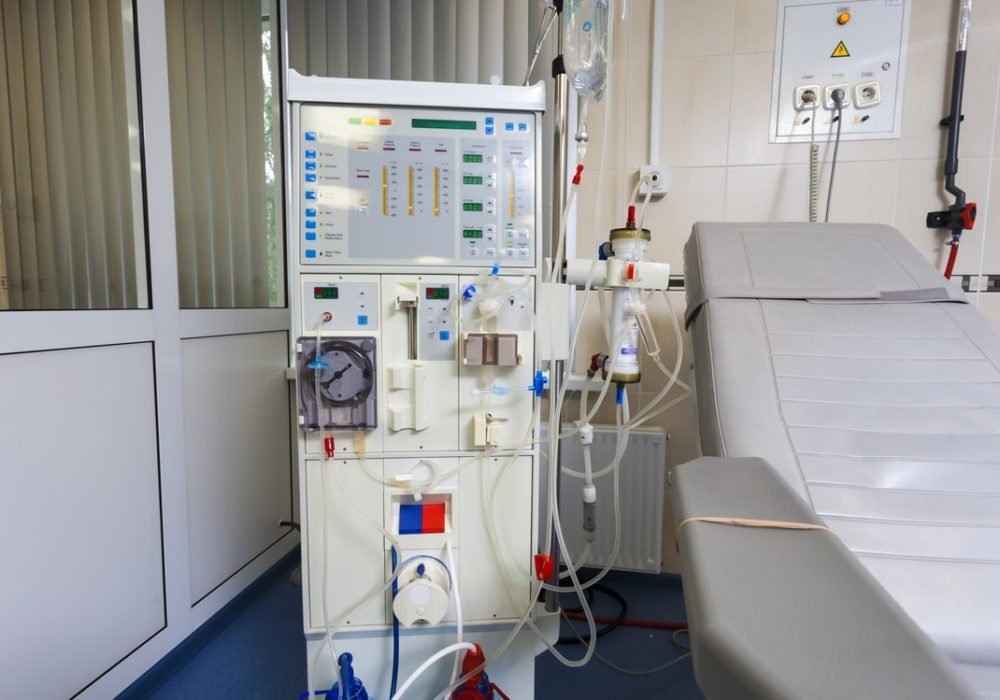
The average cost of a single dialysis session is about $54, paid mostly out of pocket, which limits how many patients can sustain treatment.
Earlier parliamentary submissions put dialysis numbers even higher, citing unofficial estimates that 13 percent of Ghanaians have some form of kidney disease, with more than 1,000 people undergoing dialysis nationally.
Kidney transplantation remains rare by comparison. Data show only 17 kidney transplants from living donors were performed in Ghana between 2008 and 2014, and a national registry for end-stage kidney disease and transplantation was only established in 2015.
Ghana is nonetheless one of just seven African countries — alongside Algeria, Côte d’Ivoire, Ethiopia, Mali, Senegal and Uganda — with a national authority overseeing transplant activity.
The country’s transplant capacity took a notable step forward in July 2023, when Korle Bu Teaching Hospital performed its first two kidney transplants using locally trained surgical teams.
Eye Care and the Cornea Backlog
The corneal transplant backlog illustrates the human cost of the policy gap most starkly. Roughly 26,000 Ghanaians are waiting for corneal transplants, according to figures cited at a 2024 Corneal Transplant Summit in Accra, while the country counted only four corneal surgeons as of 2022, who together performed just 14 sight-saving surgeries that year.
Presidential health advisor Dr. Anthony Nsiah-Asare has attributed the shortfall to low public awareness, an insufficient donor pool and inadequate infrastructure, and called for a legal framework that ensures fair and transparent donation while protecting both donors and recipients.
What Comes Next
Public attitudes may not be the main obstacle. A Korle Bu Teaching Hospital study found that 85.4 percent of chronic kidney disease patients surveyed said they were willing to accept a kidney transplant.
Researchers studying broader public readiness have found gaps in knowledge about donation persist and have called for educational campaigns alongside any new legislation.
For now, the newly launched policy process runs on a separate track from the stalled parliamentary bill, and officials have not set a timeline for when either might be finalized.
Advocacy groups, including GhanaWeb’s long-running public campaign in partnership with Korle Bu Teaching Hospital, say sustained pressure on lawmakers remains necessary to move the legislation to a vote.
This article was edited with AI and reviewed by human editors



Follow