Story Highlights
- French customs seized nearly 3.9 tonnes of cocaine, valued at roughly €225 million ($261 million), from a container of plastic waste that left Ghana bound for Antwerp.
- Ghana’s Narcotics Control Commission (NACOC) has arrested three suspects accused of facilitating the shipment for a Dutch trafficker operating from Sierra Leone.
- The bust is the latest in a string of major seizures linked to Ghana since 2025, with a combined street value approaching $819 million.
- Parliament’s Minority caucus is demanding that security and port officials appear before lawmakers to explain the recurring failures.
- The pattern echoes a 2011 incident in which President John Evans Atta Mills made an angry, unannounced visit to Tema Port to confront customs corruption — a warning that has not stopped the smuggling.
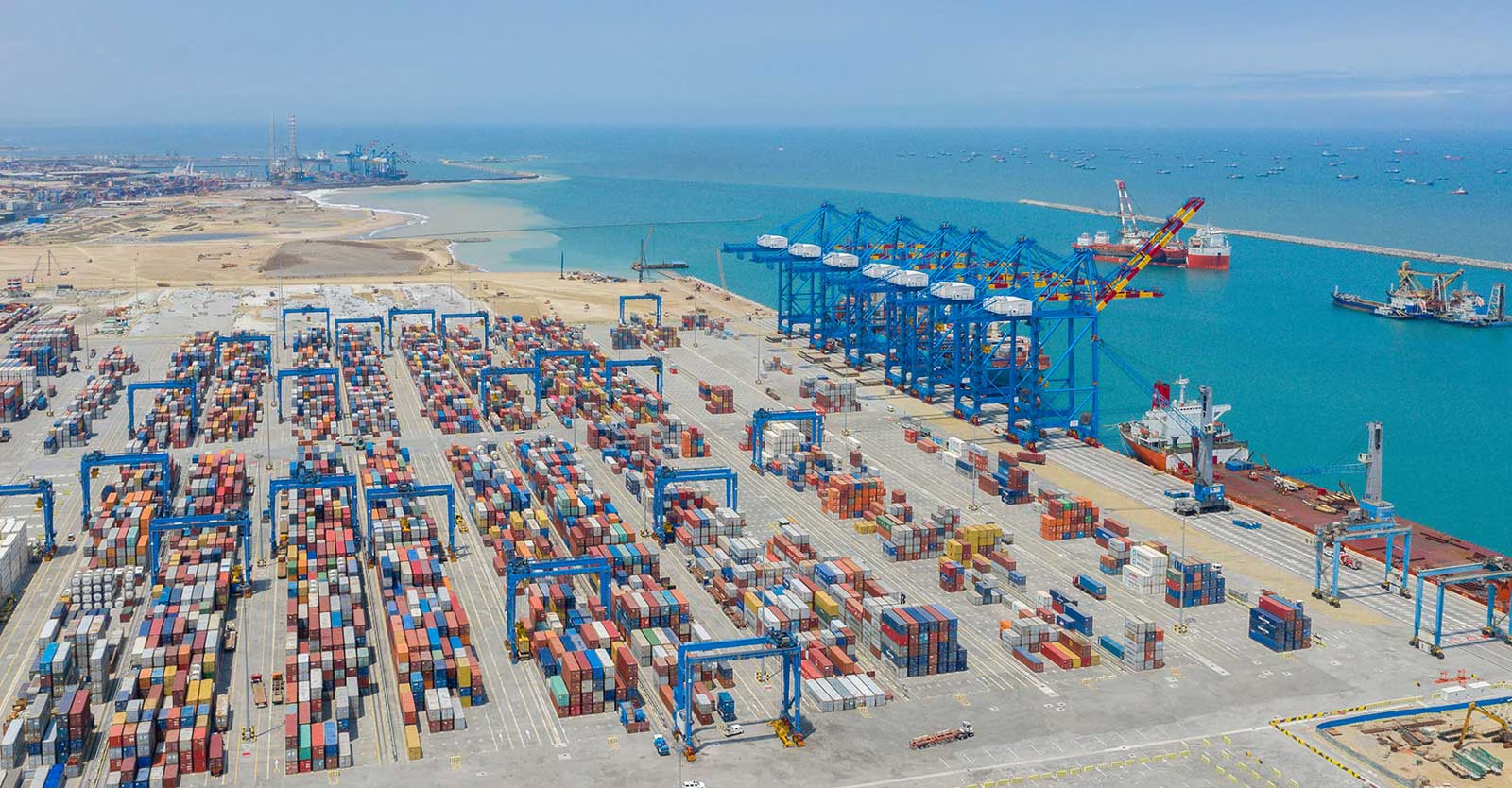
French customs officers intercepted 167 packages of cocaine at the port of Dunkirk on September 7, concealed inside a container of plastic waste. The shipment, estimated at nearly €225 million, had been headed for the Port of Antwerp in Belgium before it was seized.
French authorities say the drugs have since been destroyed and an investigation has been opened into organized trafficking and criminal association, offences carrying prison terms of up to ten years.
France’s National Anti-Organised Crime Prosecutor’s Office said the case involves the importation, possession, transport and organised trafficking of narcotics. Investigators had reportedly been watching the criminal network behind the shipment before the seizure was made.
The container’s origin quickly drew Ghana into an international investigation. Days later, NACOC announced it had detained three suspects. The commission said the men are in custody assisting investigators as it examines their alleged roles in the trafficking, in connection with Dutch trafficker Jos Leijdekkers, known as “Bolle Jos,” who is believed to be operating from Sierra Leone.
NACOC said the arrests reaffirm its resolve that Ghana will not be a safe haven, transit point or operational base for international drug-trafficking organisations, and that it would continue working with domestic and international agencies to disrupt the people, finances and infrastructure behind the trade.
Part of a Wider Pattern
The Dunkirk seizure is not an isolated case. It is reportedly the second Ghana-linked cocaine seizure in France in recent months, part of a wider pattern that has put Ghana under growing scrutiny as both a source and transit point for narcotics.
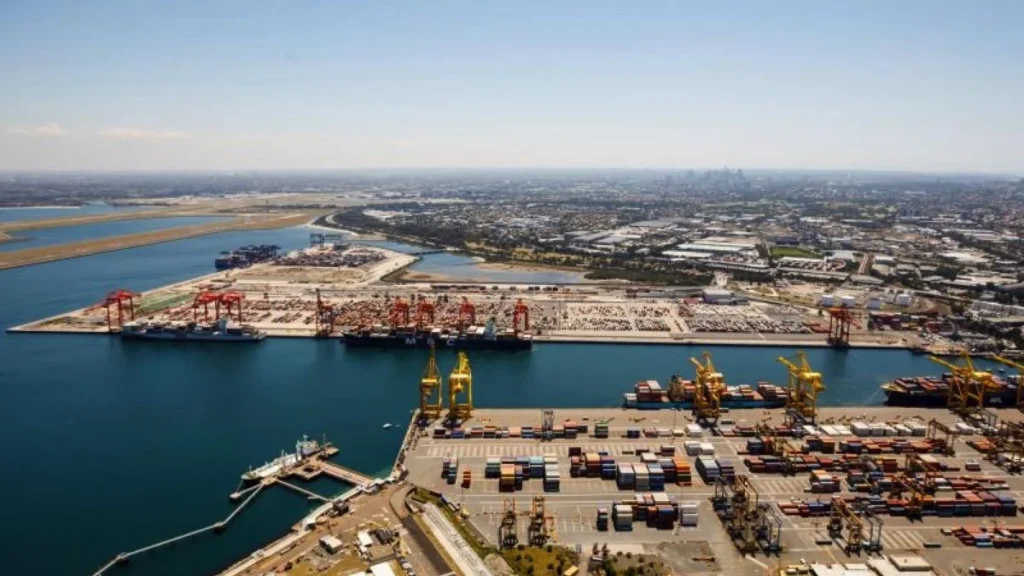
Other cases point to the same vulnerability. In April, Australian Border Force officers at Sydney’s Port Botany intercepted about 320 kilograms of methamphetamine hidden in containers of charcoal shipped from Ghana — one of Australia’s largest meth seizures, worth an estimated $208 million — leading to arrests including a British actress and a months-long NACOC investigation that ended with the arrest of the suspected lead shipper in Accra.
Domestic operations have also turned up large quantities of narcotics. In August, police in Tema seized 866 parcels of suspected cocaine with a street value estimated at $6.9 million, arresting three suspects, alongside a separate raid at Tsopoli that netted four sacks of suspected Indian hemp.
In June, officers in the Volta region intercepted 5,039 parcels of suspected narcotics packed into 63 sacks and moving in a tipper truck along the Tema-Akosombo road, arresting the driver and his mate.
Taken together, analysts say the recent run of cases reveals the scale of the problem. Three major drug seizures since 2025 — two intercepted inside Ghana and two traced back to shipments that originated there — involved narcotics with a combined street value of about $819 million, comprising roughly $350 million in cocaine seized in Ghana in March 2025, $208 million in methamphetamine intercepted in Australia, and about $261 million in cocaine seized in France.
One of the Ghana seizures is believed to have entered the country by sea through fishing vessels, underscoring how criminal networks can exploit the country’s long coastline.
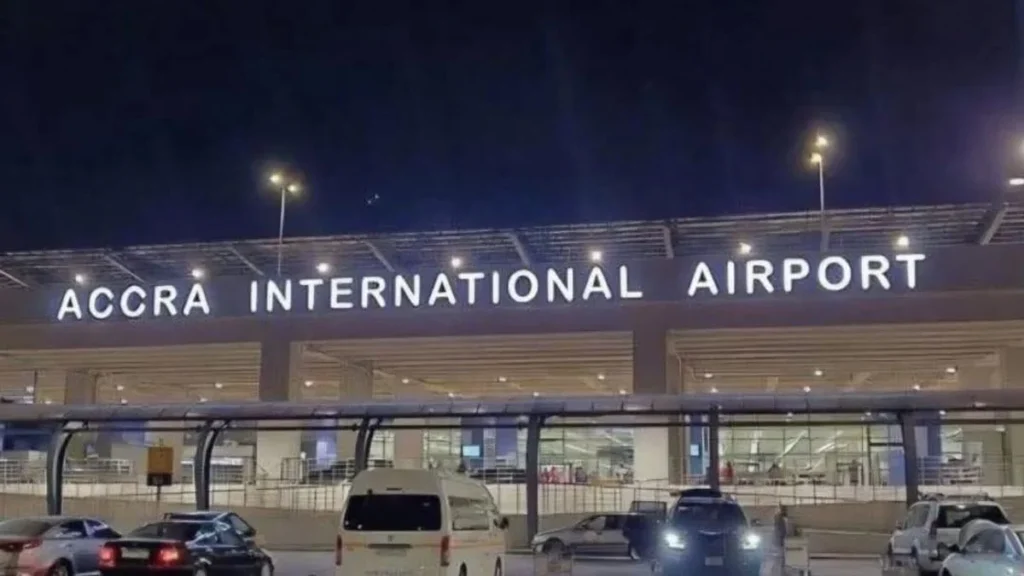
A separate case in February involved the arrest of a senior manager at a manufacturing company accused of trying to smuggle cocaine out of the country concealed in a consignment of packaged gari, intercepted at Kotoka International Airport following an intelligence-led operation.
Government Response and Political Pressure
Ghana’s government has pointed to its own enforcement record in response to the criticism. Interior Minister Mohammed Mubarak Muntaka disclosed in August that the country had seized more than 8,500 kilograms of narcotics and intercepted about 45.4 million tramadol tablets over a 20-month period, resulting in 217 arrests and 165 prosecutions.
He said the government’s strategy now extends to targeting the financial networks and assets behind trafficking operations.
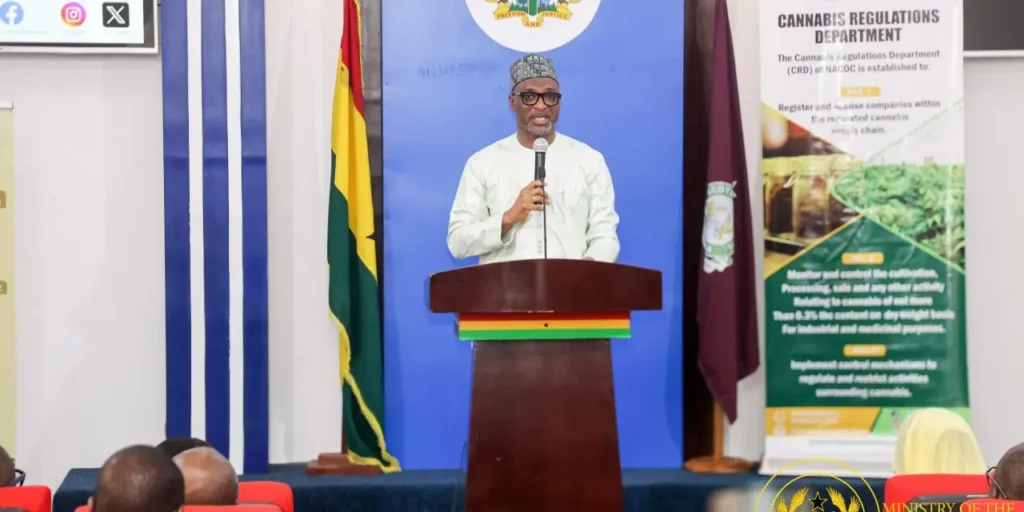
But the political pressure has intensified. The parliamentary Minority is demanding that relevant sector ministers, along with heads of security and regulatory agencies, be summoned before Parliament to account for the seizures, the state of ongoing investigations, and the measures being taken to secure Ghana’s ports, airports and territorial waters.
NACOC, for its part, argues that Ghana cannot solve the problem alone. The commission has called for stronger regional intelligence-sharing, coordinated investigations and joint operations, arguing that transnational trafficking networks cannot be dismantled through isolated national efforts.
A Warning From 2011 That Went Unheeded
The current wave of scrutiny recalls an episode from more than a decade ago, when a Ghanaian president confronted the very institution charged with policing the country’s ports.
In February 2011, President John Evans Atta Mills made a surprise, unannounced visit to Tema Port after an undercover investigation by journalist Anas Aremeyaw Anas exposed officers of the then-Customs, Excise and Preventive Service (CEPS) colluding with importers and agents to defraud the state.
Visibly angry, President Mills told officials gathered at the port: “This is the gateway. When people want to invest in Ghana they come to the gateway and they are met with corruption.”
He backed the acting customs chief, Major-General Carl Modey, to take “any drastic action necessary” against corrupt staff, and proposed that customs officers be required to declare their assets.
President Mills also voiced frustration that judicial proceedings tied to an earlier Anas exposé — involving cocoa smuggled across the border to Ivory Coast with the help of CEPS officers — had collapsed after 14 suspects were discharged by the courts.
That case did not involve narcotics, but it illustrated a pattern President Mills feared was becoming entrenched: state officials facilitating illicit trade through the country’s ports, and a justice system unable or unwilling to hold them accountable.
Fifteen years later, the institution has been renamed and restructured — CEPS is now part of the Ghana Revenue Authority’s Customs Division — but the underlying vulnerability Mills identified persists.
Ghana’s ports and coastline continue to surface in international trafficking cases, from cocaine hidden in waste containers bound for Europe to methamphetamine concealed in charcoal shipped to Australia.
Whether the current government’s promises of asset-tracing and cross-border cooperation will prove more durable than Mills’s 2011 warning remains, for now, an open question.
This article was edited with AI and reviewed by human editors