Story Highlights
- Two international arbitration tribunals have ordered Ghana Water Limited (GWCL) and the Republic of Ghana to pay $235 million to Befesa Desalination Developments Ghana (BDDG), a subsidiary of Spain’s Cox Infrastructure Group, over the collapse of the Teshie-Nungua desalination contract.
- The awards, issued September 17, 2026, dismiss Ghana’s counterclaims, including a $144.5 million claim against the operator.
- The $126 million plant, built under a 25-year take-or-pay deal signed in 2011, has been shut since October 2025 amid unpaid bills and contract disputes.
- Government support to keep the plant running fell from $13 million in 2024 to nothing in 2025, according to documents cited by GWCL.
- More than 500,000 people across Teshie, Nungua, Sakumono, Spintex and nearby areas remain on rationed supply, relying on sachet water and tankers.
ACCRA — Ghana has lost an international arbitration fight over its troubled seawater desalination plant in Teshie-Nungua, a ruling that could add well over $200 million to a public bill already running into hundreds of millions of dollars — even as the plant itself sits idle and the communities it was built for go without reliable water.
Cox Infrastructure Group, the Spanish company that inherited the project through its acquisition of Abengoa’s water business, said on September 22 that two arbitration tribunals had issued final awards in favor of its subsidiary, Befesa Desalination Developments Ghana Limited (BDDG).
The awards, dated September 17 and notified to the company the following day, order Ghana Water Limited (GWCL) to pay $235 million, net of taxes, plus interest accruing from April 1, 2026, until the debt is settled.
A separate tribunal ruled that the Republic of Ghana is liable for the same sum under the sovereign guarantee it issued when the deal was signed, though the company says it cannot recover the money twice.
The tribunals also threw out Ghana’s counterclaims against BDDG, including a $144.5 million claim tied to the operator’s performance.
A $126 Million Plant Built to Solve a Two-Decade Problem
The Teshie-Nungua Desalination Plant was conceived to end a persistent water shortage along Accra’s eastern coastal belt.
In 2011, the government of Ghana signed a 25-year build-own-operate-transfer agreement with BDDG — a joint venture of Abengoa Water Investments Ghana, Japan’s Sojitz Corporation, and local partner Hydrocol — to construct and run a reverse osmosis desalination facility at Nungua.
The project required an investment of $125 million and was designed to produce 60,000 cubic metres of water a day using reverse osmosis technology, with revenues from water sales forecast to exceed $1.3 billion over the 25-year term.
The $126 million plant was completed in February 2015 with backing from Abengoa Water of Spain and Sojitz Corporation of Japan, and was meant to serve Teshie, Nungua, Baatsona, Sakumono, and parts of La Dade Kotopon. It was hailed at the time as the first large-scale seawater desalination facility in West Africa.
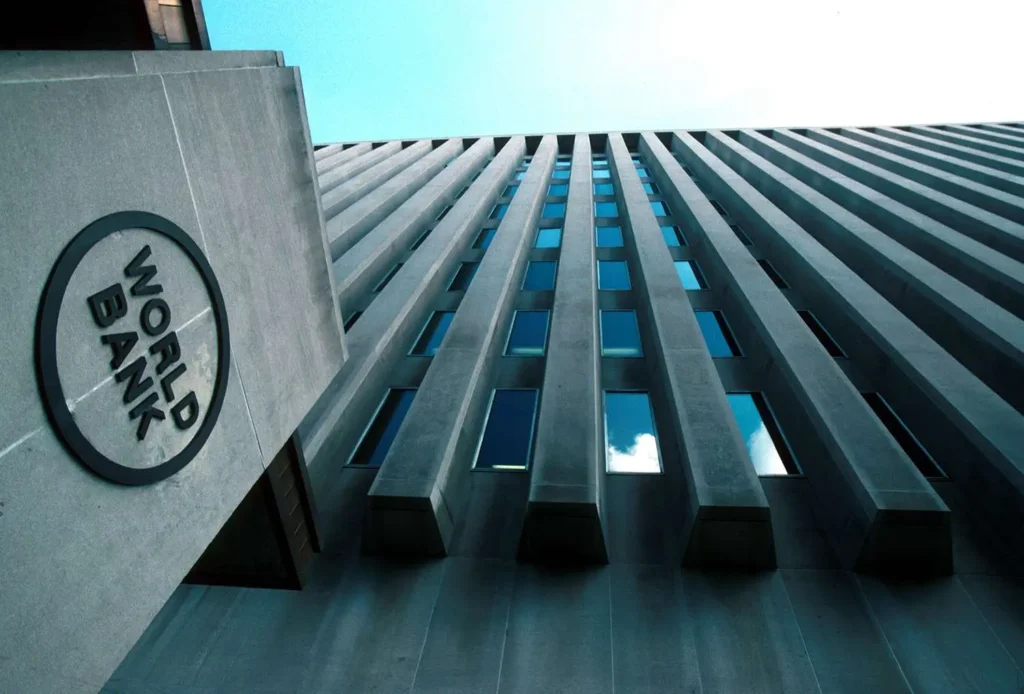
The World Bank’s Multilateral Investment Guarantee Agency also backed the project, issuing $179.2 million in guarantees in 2012 covering equity and loan investments by the venture’s shareholders and Standard Bank of South Africa.
A Take-or-Pay Contract Analysts Long Questioned
The deal was structured as a “take-or-pay” arrangement: GWCL was obligated to pay BDDG a fixed sum for water produced — a monthly fee of roughly $1.3 million — regardless of whether the utility needed or could use the supply.
Because desalinated water costs significantly more to produce than water drawn from rivers or reservoirs, the arrangement left GWCL absorbing steep losses on every unit sold. One recent estimate put the loss at 5.28 Ghana cedis per unit produced, a gap the state was expected to plug through bailout payments.
That structure has drawn sustained criticism from analysts, who have questioned for years why Ghana pursued costly seawater desalination in a country with accessible freshwater sources such as the Densu and Kpong systems.
Critics have also pointed to recurring technical trouble: the corrosive effect of seawater on plant components, reliance on imported spare parts, and limited local expertise in operating the technology, which contributed to repeated shutdowns dating back to at least 2019.
The Shutdown and a Widening Debt
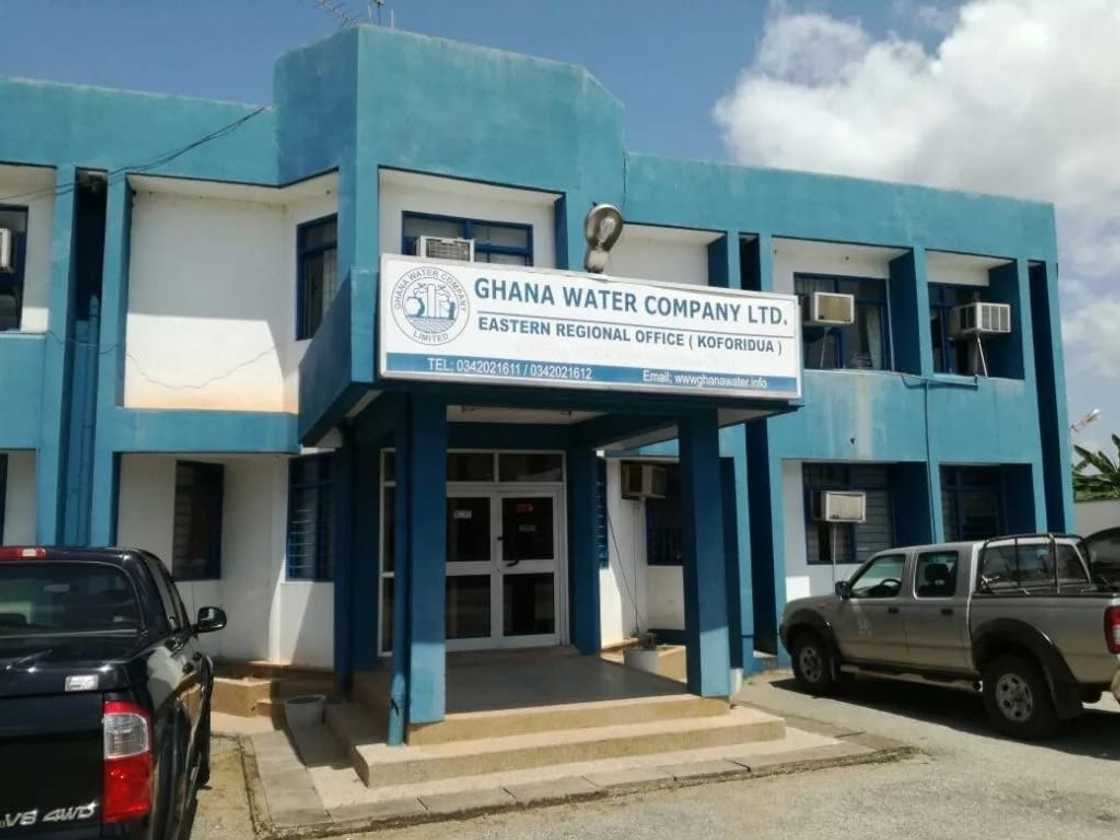
The plant has been offline since October 2025. GWCL has attributed the closure to a mix of maintenance failures and unresolved legal and contractual disputes with the private operators.
Government support that had previously kept the facility running dried up in the same period: the Ministry of Finance under the previous administration paid $13 million in 2024 to complement GWCL’s own payments, but made no financial commitment to the plant’s operation in 2025.
Ghana had already contributed a total of $57.4 million in support to the project by the end of 2024, on top of the original $125 million project cost.
With the subsidies gone, the operator halted production, and the state now faces an arbitration bill on top of the sums already sunk into the project.
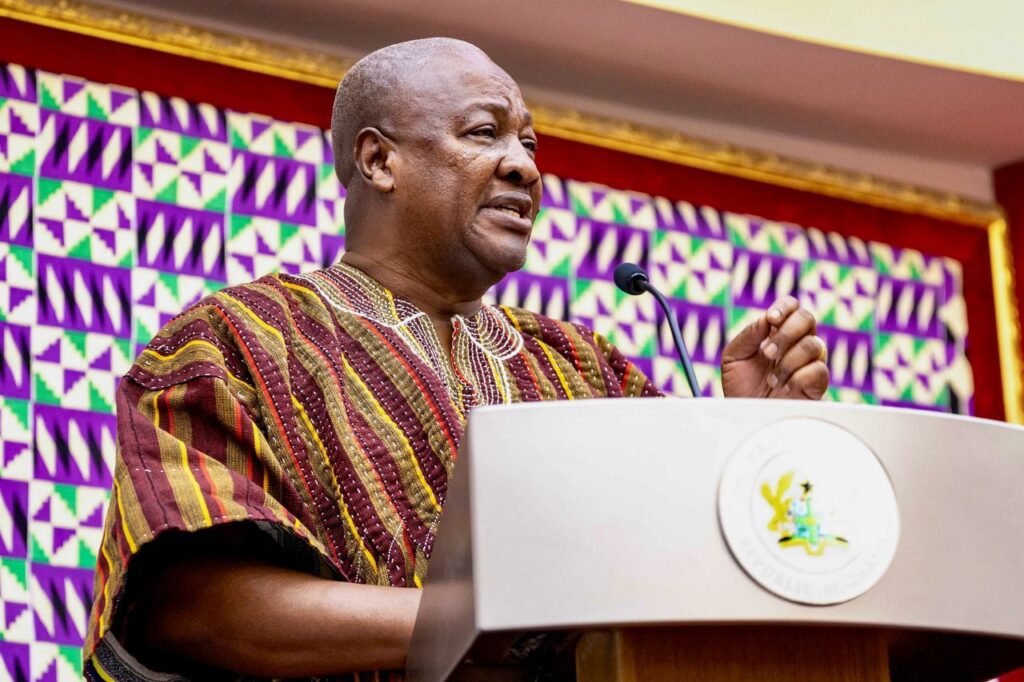
President John Dramani Mahama directed the Minister of Finance, the Attorney General, GWCL and the plant’s shareholders to negotiate a resolution. Negotiations opened in early February, with officials describing talks as ongoing.
Residents Bear the Daily Cost
For the more than half a million residents the plant was meant to serve, the dispute has translated into months of hardship. GWCL has published a rationing schedule, but many households report taps running dry for weeks at a stretch.
Families have turned to sachet water and private tanker deliveries to cover the shortfall, adding cost to already strained budgets, while local officials in Ledzokuku have moved to drill emergency boreholes at schools and health facilities as a stopgap.
What Comes Next
The arbitration awards leave Ghana facing a judgment debt exceeding $200 million on a project that has yet to deliver the reliable water supply it was designed for a decade ago.
Whether the government negotiates a settlement, contests enforcement, or pays the award outright will determine how the cost lands — on the state budget, on GWCL’s finances, or, as in past judgment-debt cases involving foreign investors, on Ghana’s assets abroad if the debt goes unpaid.
For now, the plant remains shut, the arbitration bill stands, and residents in Teshie and Nungua continue to wait.
This article was edited with AI and reviewed by human editors