


When guns were fired in Khartoum in April 2023, the European Union’s response was to “express concern” while it watched. That description no longer applies. Brussels has since co-hosted a donor conference, restricted gold imports from Sudan, and dispatched high-level French and Belgian diplomats to Khartoum and Port Sudan.
But the nature of that engagement remains unchanged: it is the fastest fronts impacting European shores, migration, the war economy, Red Sea trade, and slows whenever the ask goes political. On one hand, the European Parliament named the United Arab Emirates as fueling the war and pushed for the designation of the Rapid Support Forces (RSF) as a terrorist group. The Council of the EU, the body that really makes policy, has done neither.
This is not silence. It is selective diplomacy, and it is proving costly.
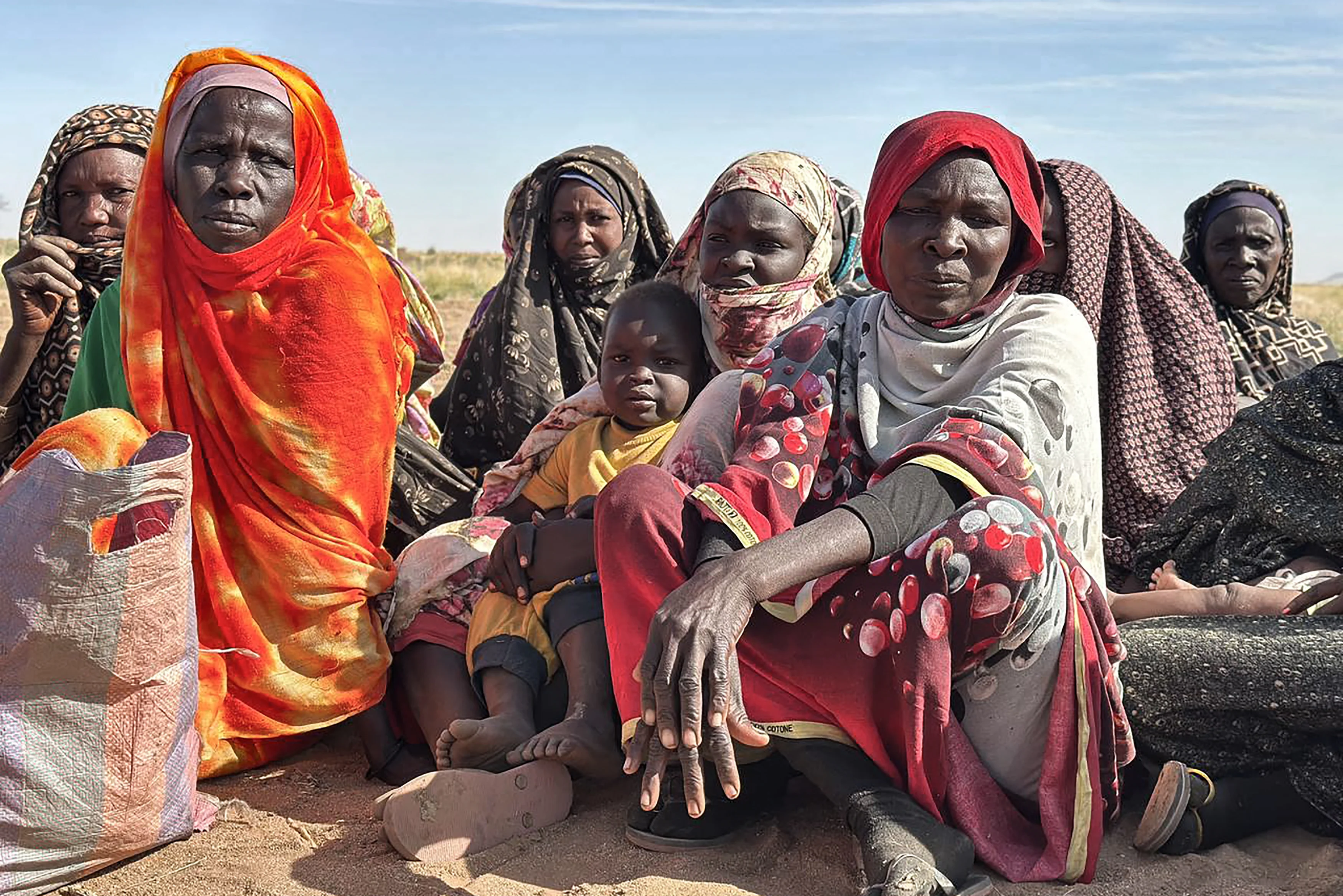
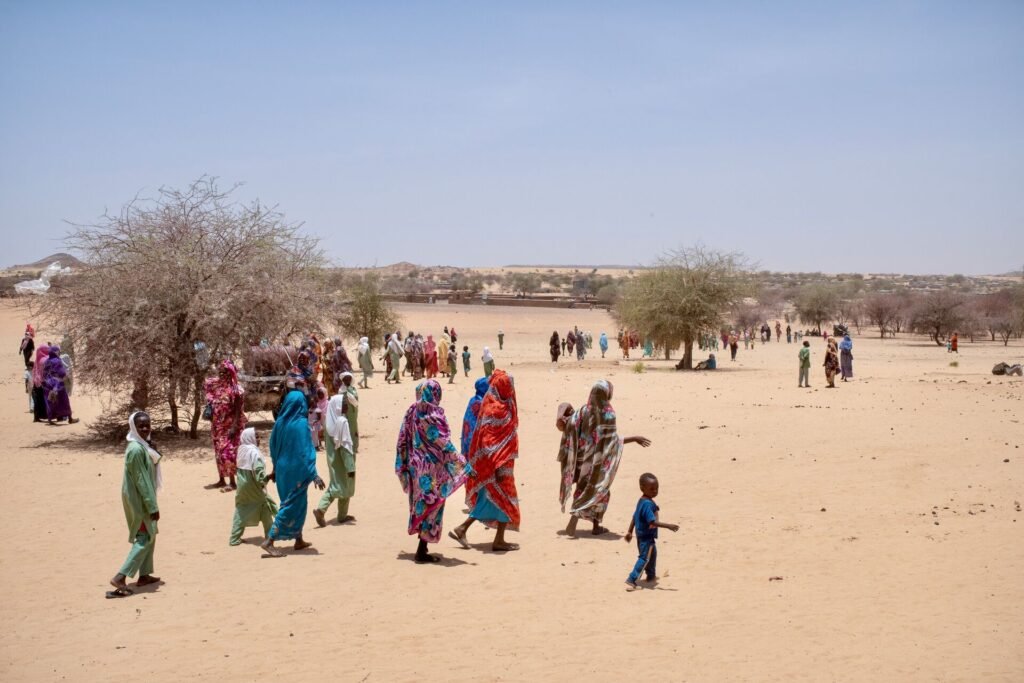
The scale of the war makes it hard to ignore that selectivity. More than 10 million people have been displaced by the lingering conflict, marking it as one of the largest displacement crises around the globe. Sudan’s neighbours, including Chad, South Sudan, and Egypt, have had to bear the brunt as increasingly more Sudanese people are flocking to the Sahara and Mediterranean pathways to the north.
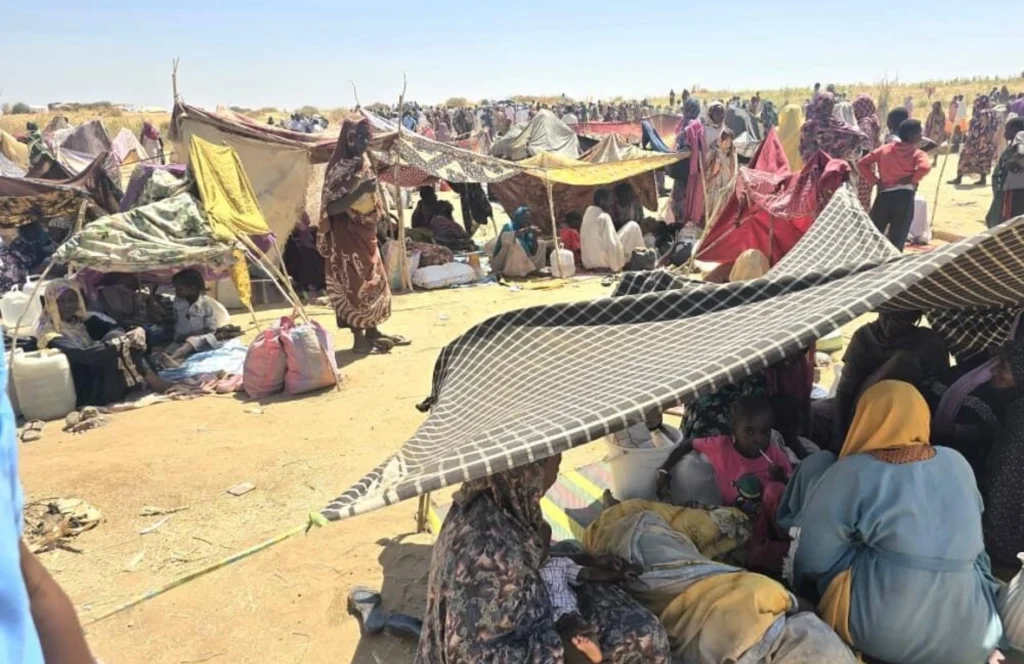
That migration flow is already shaping Europe’s politics. Italy, Spain and Greece are grappling with new strains on their shores while numbers of refugee asylum-seekers from Sudan are rising rapidly in Germany, the Netherlands and Belgium.
Each capsized boat from Lampedusa or Lesbos with Sudanese refugees is proof of the fact that much of Europe’s Sudan policy has been geared towards preventing refugees from coming rather than towards stopping the conflict that prompted the non-ergonomic canoes.
To say that Brussels has done nothing other than issue statements would be inaccurate. In April 2026, the EU pledged €812 million to Sudan at the Berlin Conference and extended its sanctions lists, adding individuals from both SAF and RSF. In July, it banned the trade of Sudanese gold, which is known to finance the RSF’s militias.
A ten-country EU head-of-mission delegation visited Khartoum and Port Sudan in June, meeting the Sovereignty Council, the Prime Minister, and UN officials. Judged against 2023, this is real movement. Judged against what the crisis demands, it is still notably narrow: every one of these steps addresses financing, borders or optics. None of them addresses who is arming the war, or how it ends.
The European Parliament’s July resolution naming the UAE was the first time any EU institution had done so since the war began — and the Council’s own statements, before and since, have not mentioned actors fueling the conflict. The gap between what the Parliament says and what the Council does is not a technicality; it is the clearest evidence that Europe’s caution on Sudan is a choice, not a lack of options.
That choice is already taking its economic toll. The war has disrupted shipping via the Red Sea, which accounts for some twelve per cent of world traffic. Rerouting ships has inflated shipping prices and insurance premiums, which have also pushed up fuel and fertiliser prices in European markets. This is not a hypothetical war in Sudan, far enough away for Europe to take economic ease; it is a war she must be aware of, and its toll is already reaching Europe’s ports.
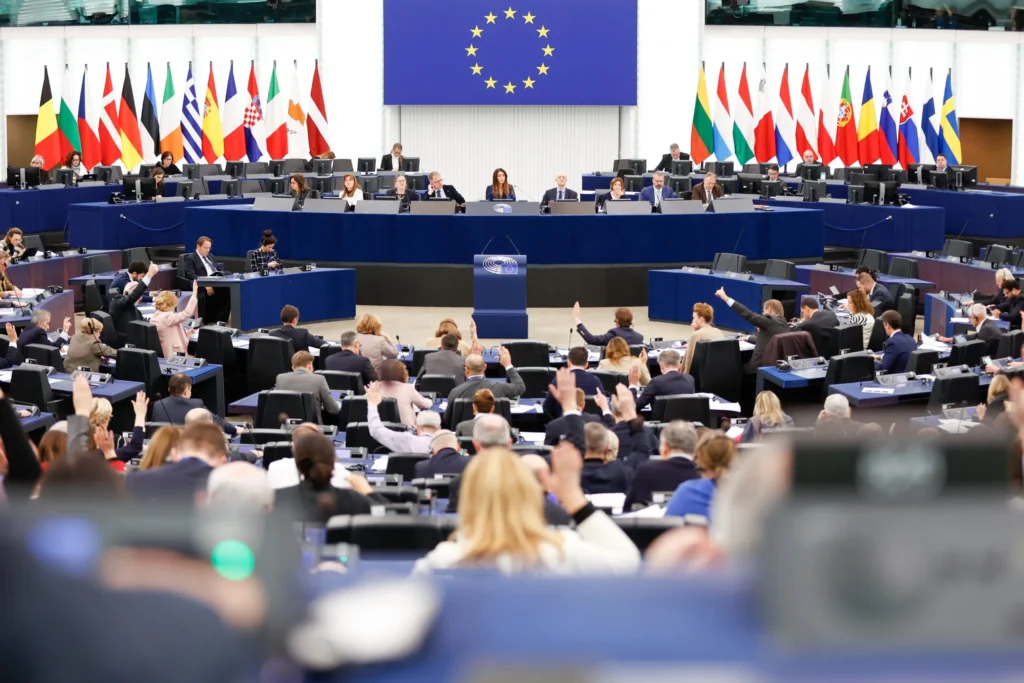
The political cost is harder to itemise but no less real. Despite millions of Euros being invested by EU member states to project stability on its borders and manage illegal immigration, humanitarian needs in Sudan continue to clash with Brussels internal politics as anti-migration proponents gain ground across the continent. Money spent managing the consequences of the war is money not spent, and political capital not built, toward ending it.
There’s also a reputational cost here. Europe has long presented itself as a promoter of human rights and rules-based diplomacy. Placed next to Europe’s coordinated response to Ukraine, its response in Sudan is both awkward and leading to similar consequences as in Gaza. African leaders and commentators have been direct in calling this a double standard, and each new EU statement on Sudan that stops short of naming external belligerents or backing accountability measures reinforces the perception.
That perception has a cost beyond Sudan: it erodes the trust the EU needs from African partners on climate finance, migration cooperation and its own Global Gateway investment agenda.
Europe’s hesitation gave room for others. Russia’s Wagner groups are running gold operations and logistics within the borders of Sudan. The UAE has funded and armed parties to the conflict, according to open-source and UN reporting that the EU’s Parliament now cites. China is extending its stake in the region, and the United States has once forced its unique truce effort between Cairo and the warring groups’ patrons.
However, the EU is not completely lost in this field; its gold sanctions are a real attempt to cut off funds for the RSF, but refusal to name competitors directly leaves room for rhetoric and diplomacy that others are filling on their own terms.
The EU’s next policies on Sudan should meet three criteria, moving forward from where Brussels currently stands. It should ensure coherence; the Council should align itself with its Parliament and name state actors fuelling the conflict in clear language.
Ensuring courage, having already sanctioned the war economy’s gold trade, the EU should extend that logic to backing the terrorism designation the Parliament has called for, and to funding war-crimes documentation and Sudanese justice-sector capacity, not only humanitarian relief.
And in the spirit of cooperation, the June 2026 delegation visit should become a standing mandate — a joint EU–African Union envoy with an actual negotiating brief, not another fact-finding mission, so that EU engagement with the AU and IGAD moves from rhetorical support to shared diplomatic leverage.
Europe’s Sudan policy is no longer a blank page of silence — it is a policy with a shape, and that shape currently favours what is safe for Europe over what is necessary for Sudan. Every month that shape stays the same erodes Europe’s influence a little further, deepens humanitarian suffering, and hands more room to actors with no interest in a negotiated peace.
The cost shows up in disrupted Red Sea trade lanes, in rising asylum numbers across European capitals, and in the credibility Europe is spending in every conversation it has with African partners about rules, rights and double standards.
If Europe still believes in the rules-based order it invokes elsewhere, Sudan is the test of whether that belief extends to a crisis that does not involve a European neighbour. The stability of the Horn of Africa is not a peripheral interest for Europe — it is already a domestic one. Selective engagement, sustained long enough, costs as much as silence ever did.
The views and opinions expressed in this article are those of the author and do not necessarily reflect the views of The Labari Journal. This content represents the author’s perspective and analysis.



