Story Highlights
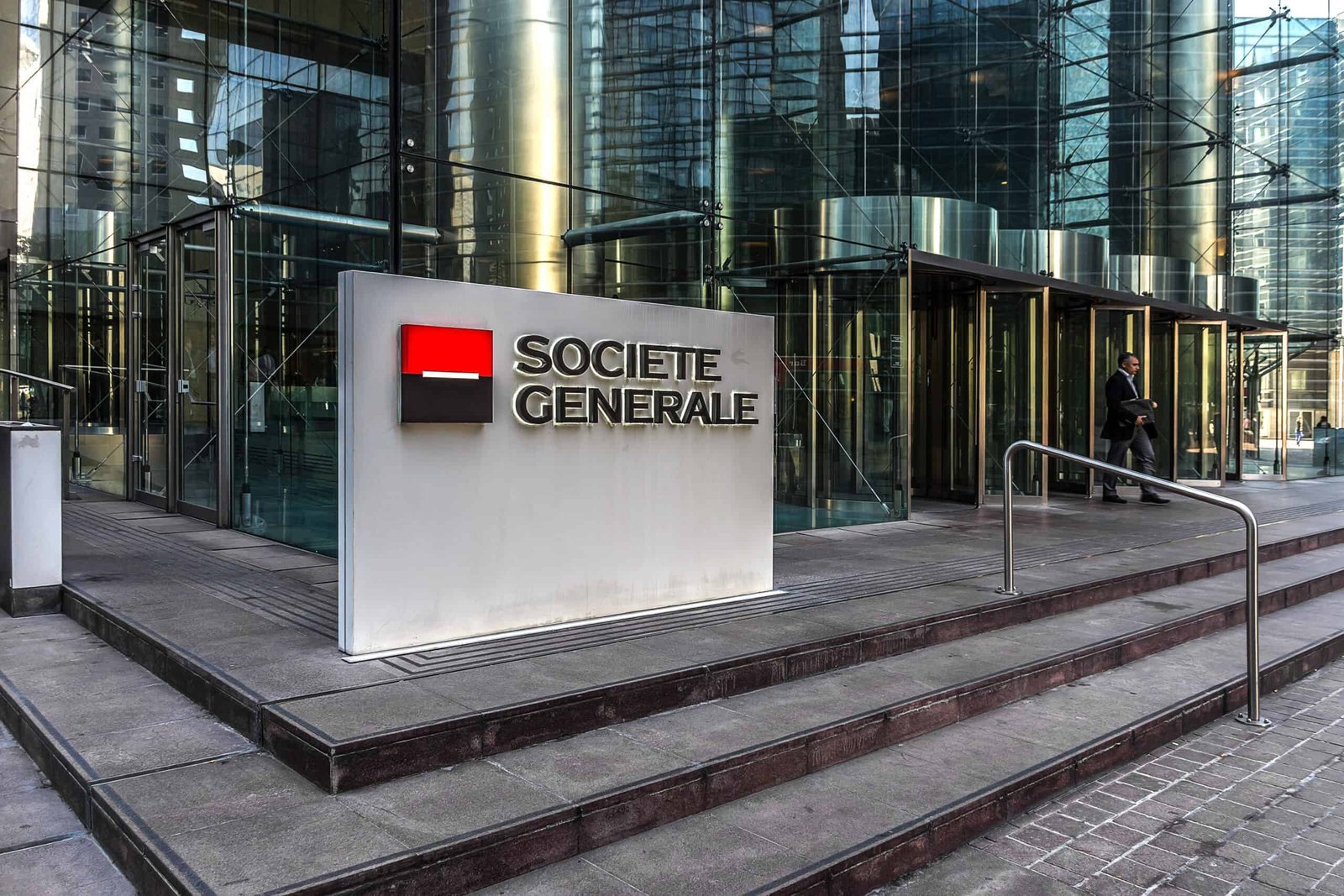
- Société Générale Group will sell its full 60.22% stake in Société Générale Ghana.
- Attijariwafa Bank will acquire 55.22%. The Social Security and National Insurance Trust (SSNIT) will take 5%.
- Attijariwafa will take over the bank’s operations, client portfolios and staff.
- The deal still needs regulatory approval and must meet customary conditions.
- The sale follows a strategic review the French group announced in May 2024.
Société Générale Group has agreed to sell its controlling interest in its Ghanaian subsidiary to Attijariwafa Bank, the Moroccan banking group.
The announcement on Thursday ends more than two years of speculation about the French lender’s future in Ghana.
The Deal
Under the agreement, Société Générale Group will divest its entire 60.22% stake in the Ghanaian subsidiary. Attijariwafa Bank will acquire a 55.22% stake, while the Social Security and National Insurance Trust (SSNIT) will acquire the remaining 5%.
Attijariwafa will take over all activities currently operated by Société Générale Ghana, along with the bank’s client portfolios and employees.
The parties did not disclose a price.
The divestment remains subject to customary conditions precedent and approval by the relevant financial and regulatory authorities. The Bank of Ghana’s sign-off will be the central hurdle.
The remaining shares in Société Générale Ghana trade on the Ghana Stock Exchange. The announcement did not say what happens to minority shareholders.
A Review Two Years in the Making
The sale traces back to May 2024. At the time, Société Générale Ghana said it had been informed that the parent group, which holds 60.22% of the bank, had initiated a strategic review. The bank said it would announce any concrete development at the appropriate time.
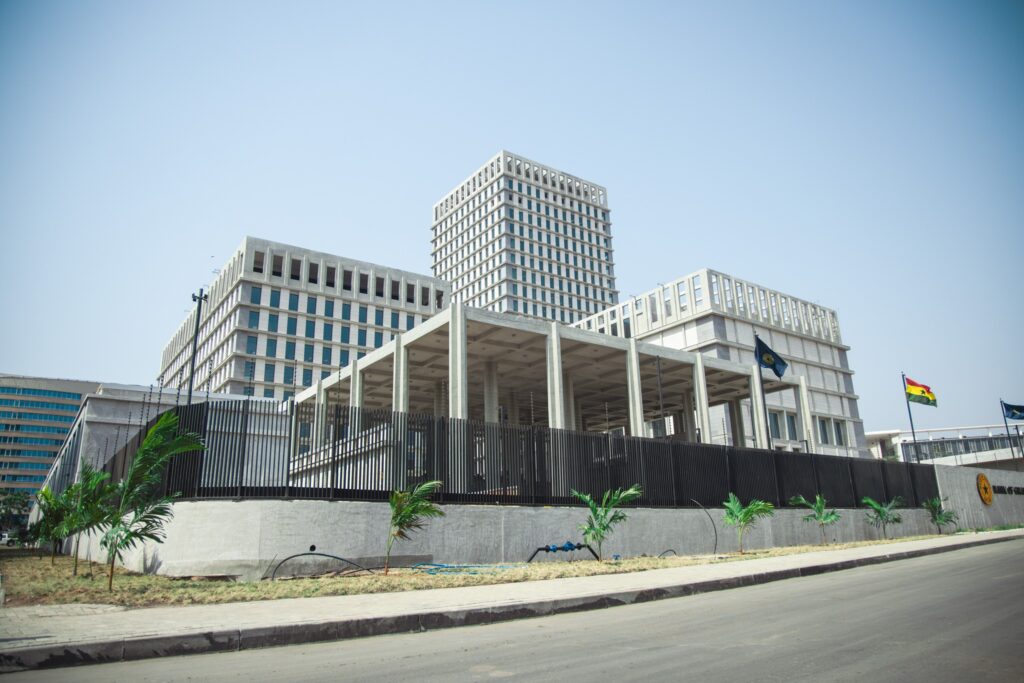
The review triggered rumours of an exit. The French group dismissed them as speculation. The Bank of Ghana was not satisfied.
Speaking at a Monetary Policy Committee briefing, then-Governor Ernest Addison said the central bank had received no formal information from the group or its Accra office.
He said he had complained to the group’s office in Côte d’Ivoire that the regulator did not want to be surprised, and asked to see the list of parties interested in acquiring the shares.
Part of a Wider African Retreat
The Ghana sale fits a broader pattern. Société Générale has been shrinking its retail footprint across Africa.
An Ecofin Agency analysis of the group’s 2025 accounts found Africa appeared smaller mainly because of subsidiary sales, not a collapse in demand. The group has exited some markets while reinforcing its presence in Tunisia and keeping South Africa.
Analysts described the shift as a move away from capital-intensive retail assets towards fee-based and cross-border business.
At the time, Ecofin noted that while Société Générale Ghana was widely seen as part of that exit wave, no transaction had been finalised. The group had applied hyperinflation accounting to the Ghanaian unit until September 2025, reflecting economic conditions rather than a change in ownership.
The Bank Being Sold
Société Générale Ghana is one of the country’s established lenders. It operates a network of 40 branches and outlets.
Its recent results show strain. The bank’s profit after tax fell 47.7% year on year to GH¢128.2 million in the first half of 2026, according to an analysis by IC Securities. Net interest income dropped 29.7% to GH¢432.9 million, and net interest margin narrowed by 338 basis points to 7.0%.
Non-interest income more than doubled to GH¢112.2 million, but this did not offset the fall in core interest income, leaving total income down 18%. IC Securities rated the stock a sell, pricing it at GH¢6.96 against a fair value of GH¢4.10.
The pressure reflects falling interest rates as Ghana’s economy recovers from its 2022 debt crisis. Inflation fell to 3.2% in March 2026 from 25.8% a year earlier. Lower yields on government securities have squeezed bank margins across the sector.
Who Is Buying
Attijariwafa Bank is Morocco’s largest lender and one of Africa’s biggest banking groups. It already operates in several West and Central African markets. The Ghana acquisition would give it a foothold in an English-speaking West African economy.
SSNIT’s 5% stake is notable. The pension fund holds investments in several listed Ghanaian companies, including banks. Its participation keeps a slice of the bank in Ghanaian public hands.
SSNIT’s investment decisions have drawn scrutiny before. The trust was at the centre of a $72 million software procurement scandal investigated by the Economic and Organised Crime Office in 2017. Neither SSNIT nor Attijariwafa disclosed the value of their stakes.
What Comes Next
The deal’s completion depends on the Bank of Ghana. The regulator will assess Attijariwafa’s suitability as a majority owner, its capital plans for the local unit and protections for depositors and staff.
The Ghana Stock Exchange and the Securities and Exchange Commission may also have roles, given the bank’s listing. Rules on mandatory offers to minority shareholders could apply when control changes hands.
For customers, little is expected to change immediately. The agreement transfers the bank’s existing operations, accounts and employees to the new owner as a going concern.
Once regulators approve the transaction, Attijariwafa Bank will become the new majority shareholder. The rebranding of the bank, and a timeline for it, have not been announced.
This article was edited with AI and reviewed by human editors