


Story Highlights
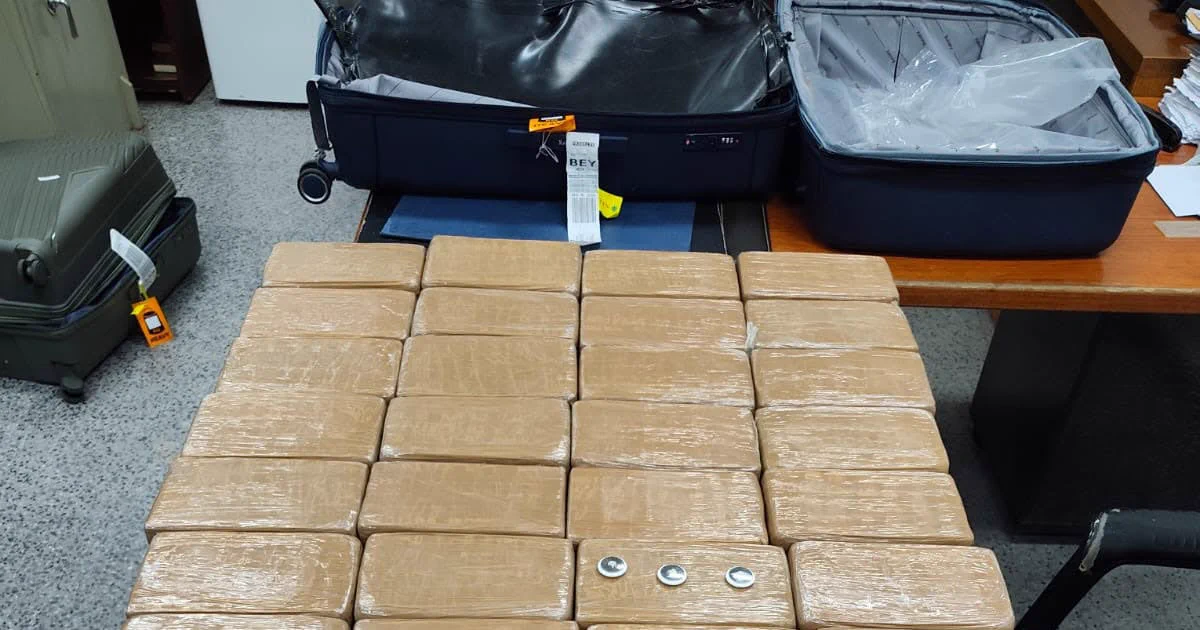
- A Syrian national was arrested at Beirut’s Rafic Hariri International Airport on October 31, 2026, with 40 to 46.7 kilograms of suspected cocaine after a flight from Accra.
- The Narcotics Control Commission (NACOC) said the arrest was the result of a “coordinated controlled delivery exercise” with Lebanese authorities, meaning the drugs were allowed to travel under watch.
- Lebanon’s first public account credited its own agencies and did not mention Ghana.
- IMANI Africa’s Bright Simons and the Jatikay Centre have challenged NACOC’s account and asked for evidence.
- NACOC says it is pursuing accomplices in Ghana but has announced no arrests.
Ghana’s Narcotics Control Commission (NACOC) says the cocaine a Syrian man carried from Accra to Beirut did not slip through Ghana’s borders. The commission says the shipment was allowed to leave deliberately, under watch, in what it calls a controlled delivery exercise run jointly with Lebanon.
That account has become the centre of a public dispute. Analysts and civil society groups say NACOC has offered no evidence that it knew about the drugs before they left Accra International Airport.
The Arrest in Beirut
The suspect was detained on Saturday, October 31, 2026, at Rafic Hariri International Airport. Lebanese Customs identified him only by the initials B.H.
Early reports put the haul at about 40 kilograms. Lebanon’s General Directorate of Customs later gave the figure as 46.7 kilograms, hidden in two suitcases.
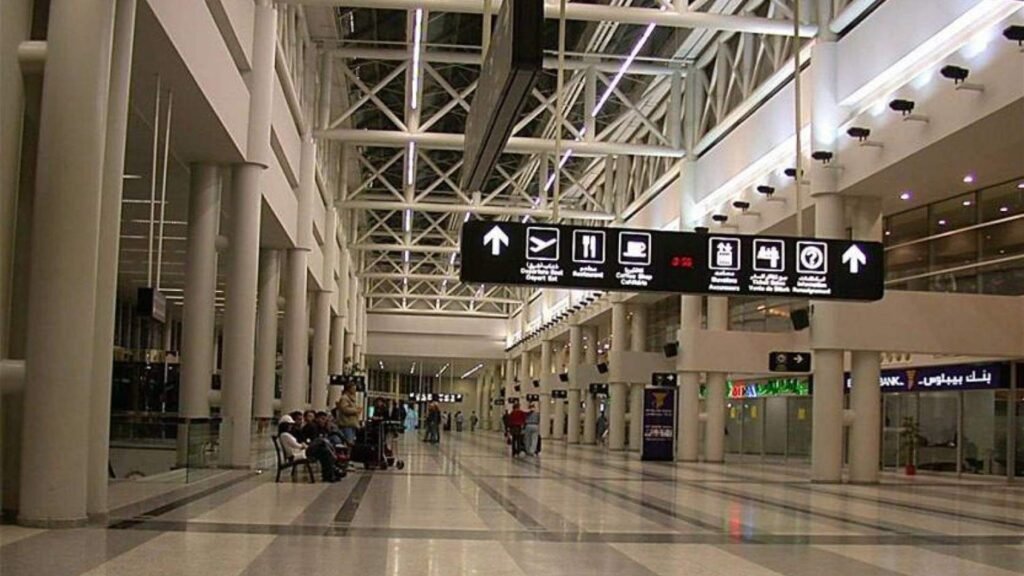
Lebanese officials said Customs and General Security officers followed the man from the aircraft, watched him collect his bags and then searched them. Customs said the cocaine was wrapped in material designed to defeat scanners. Electronic tracking devices were found inside the packages.
Lebanon’s General Directorate of General Security said the suspect had been under surveillance from the time he left Ghana.
NACOC: “A Controlled Delivery Exercise”
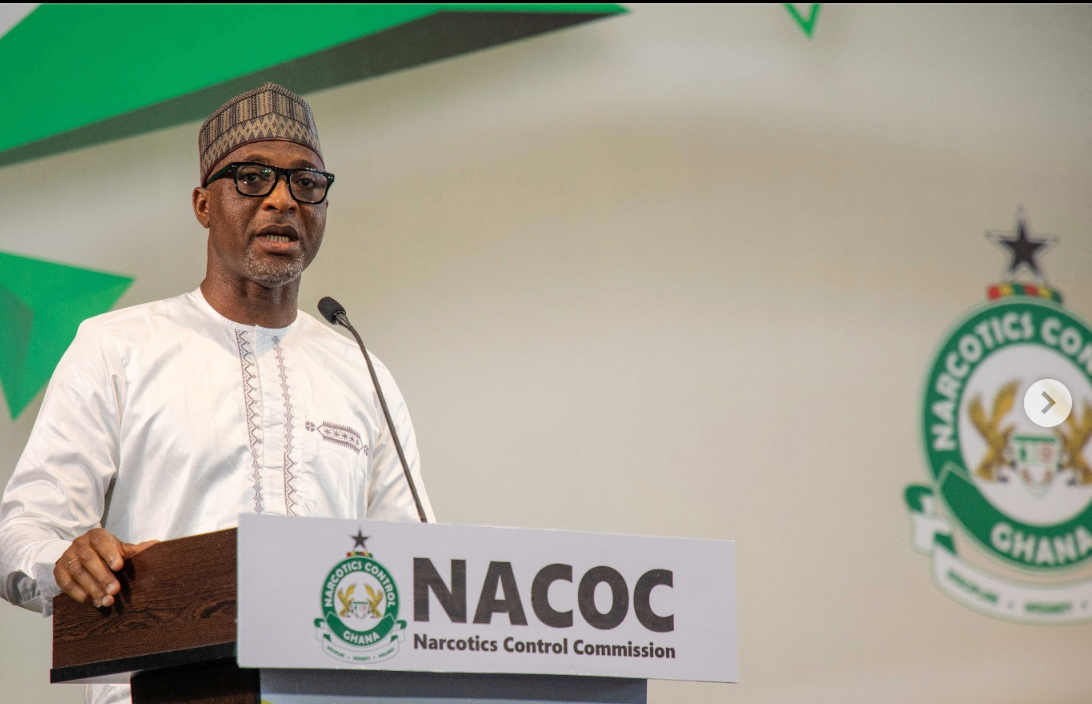
On Sunday, November 1, NACOC issued a statement signed by its Acting Director of Public Affairs and International Relations, PNCO Francis Opoku Amoah.
The commission said the arrest was the product of a “coordinated controlled delivery exercise” carried out with Lebanese drug law enforcement authorities.
In other words, NACOC says the drugs were not missed in Accra. It says they were allowed to move to Beirut on purpose, under surveillance.
According to the statement, the goal was to identify and arrest targets at both ends of the supply chain and to gather intelligence on the wider trafficking network.
NACOC said it was working to arrest the suspect’s accomplices in Ghana. It described the operation as proof of Ghana and Lebanon’s commitment to fighting drug networks through cross-border intelligence-sharing.
The statement did not name the suspect. It did not give the final destination of the drugs or say whether anyone had been arrested in Ghana.
What a Controlled Delivery Means
A controlled delivery is a standard law enforcement technique. When authorities detect drugs, they may let them continue to their destination under close watch. The aim is to catch the people who receive and organise the shipment, not just the courier.
The method depends on early detection and tight coordination between countries. That is where critics say NACOC’s account falls short.
Why the Claim Is Controversial
Lebanon’s first public statement credited its own Customs and General Security agencies. It did not explicitly mention Ghana.
Critics say that if the operation had been jointly planned, it would be unusual for Lebanon to leave out its partner when announcing what has been described as its biggest airport luggage cocaine seizure.
Bright Simons, vice president of the policy think tank IMANI Africa, said Lebanese investigators appeared to have been tracking the suspect before he arrived in Ghana. He pointed to the man’s earlier entry into Lebanon through the Masnaa border crossing with Syria.
If that is correct, the intelligence may have come from Lebanon, not Ghana. Mr. Simons also asked why NACOC had not announced arrests in Ghana, including of any officials who may have helped the shipment through the airport.
Mr. Simons noted that this is the second large cocaine shipment from Ghana to Lebanon in less than a year. He called for a joint statement from NACOC and Lebanon’s Internal Security Forces to explain how the operation was run.
Three Questions for NACOC
The Jatikay Centre, a security think tank, called the seizure a monumental embarrassment to Ghana. In a statement signed by Adib Saani, it said NACOC’s controlled delivery claim was even more disturbing than the seizure itself.
The centre asked when the cocaine was detected, what safeguards were in place, and what evidence supports NACOC’s claim of working with Lebanon.
Those questions leave NACOC with a difficult choice. If it knew about the drugs before the flight, it must explain why it let them leave Accra. If it did not, its controlled delivery claim would be hard to defend, and the case would point to a screening failure at Accra.
A Wider Pattern
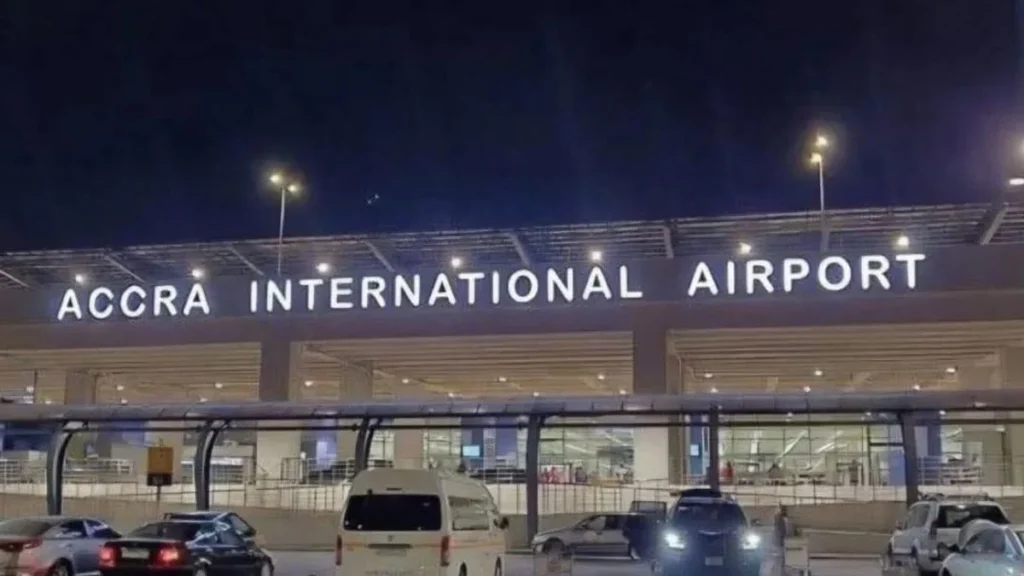
The Beirut case is not isolated. The Daily Guide reported that it is the fourth major arrest of suspected traffickers who travelled from Ghana to other countries, including a recent case in South Africa.
Last week, Ghana also deported a South Korean man in his 80s accused of shipping more than five tonnes of cocaine from South America. He had lived in Ghana for 22 years without legal status.
The cases have renewed attention on Ghana’s role as a transit point for South American cocaine headed to Europe and the Middle East.
What Comes Next
NACOC says its operation is ongoing. It has not given a timeline for arrests in Ghana or responded in detail to its critics.
Two things will test its account: whether arrests follow in Ghana, and whether Lebanese authorities confirm a joint operation. Until then, the commission is under pressure to show the cocaine left Accra by design, not by oversight.
This article was edited with AI and reviewed by human editors
Subscribe to our newsletter
Author



Follow