


STORY HIGHLIGHTS
- Ghana’s EPA declared Sentuo Oil Refinery’s proposed Tema site a wetland in May 2020, saying it would not approve the permit
- Construction proceeded anyway in April 2021, with the Tema Development Corporation contradicting the EPA
- The refinery was commissioned by President Akufo-Addo in January 2024 and received a full NPA operational licence by July 2024
- In early 2024, civil society groups accused the NPA of allowing Sentuo to operate without full permits and sell substandard fuel
TEMA, Ghana — When the Environmental Protection Agency (EPA) declared in 2020 that it would not approve a permit for what would become Ghana’s first private oil refinery, few expected the project to make it this far.
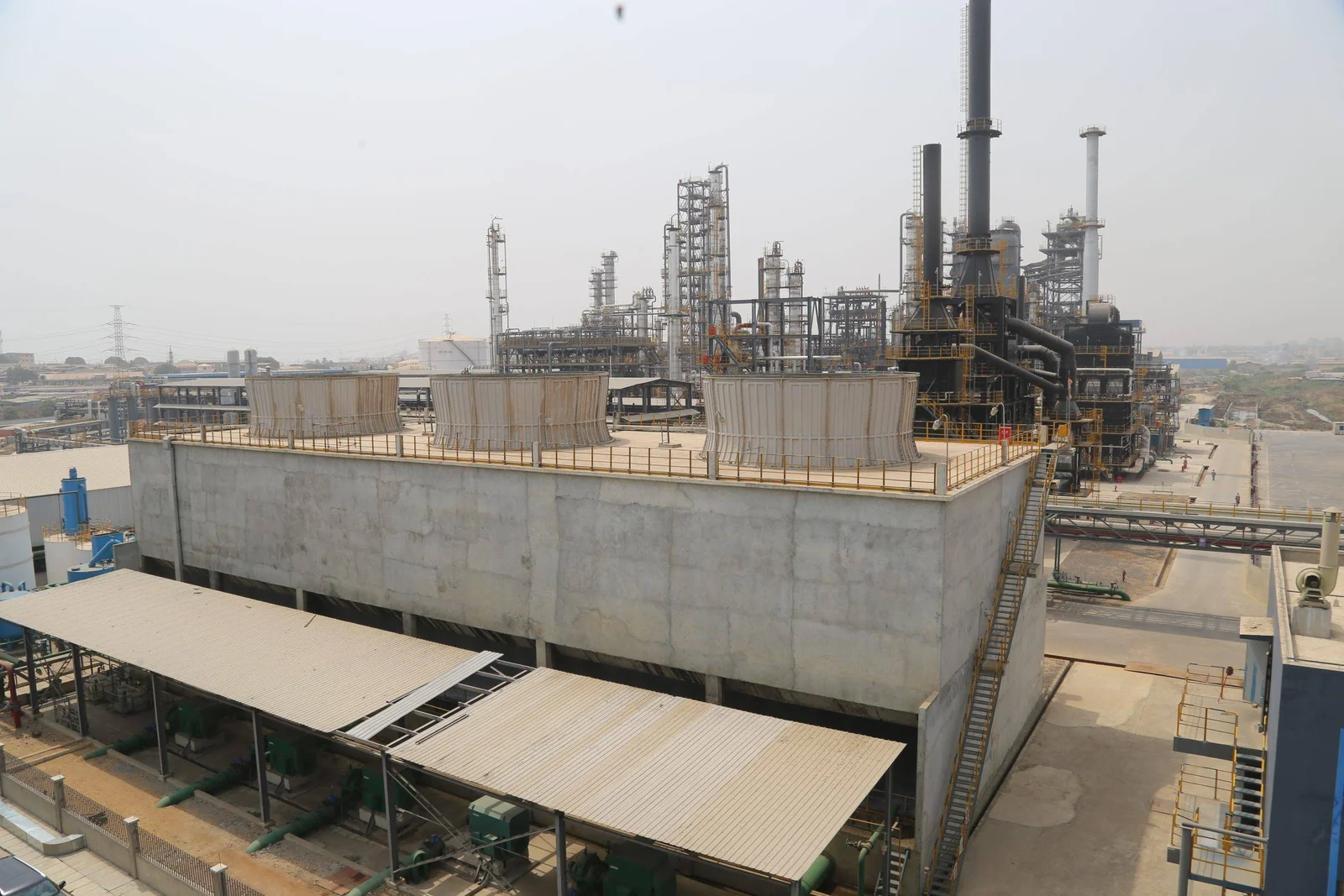
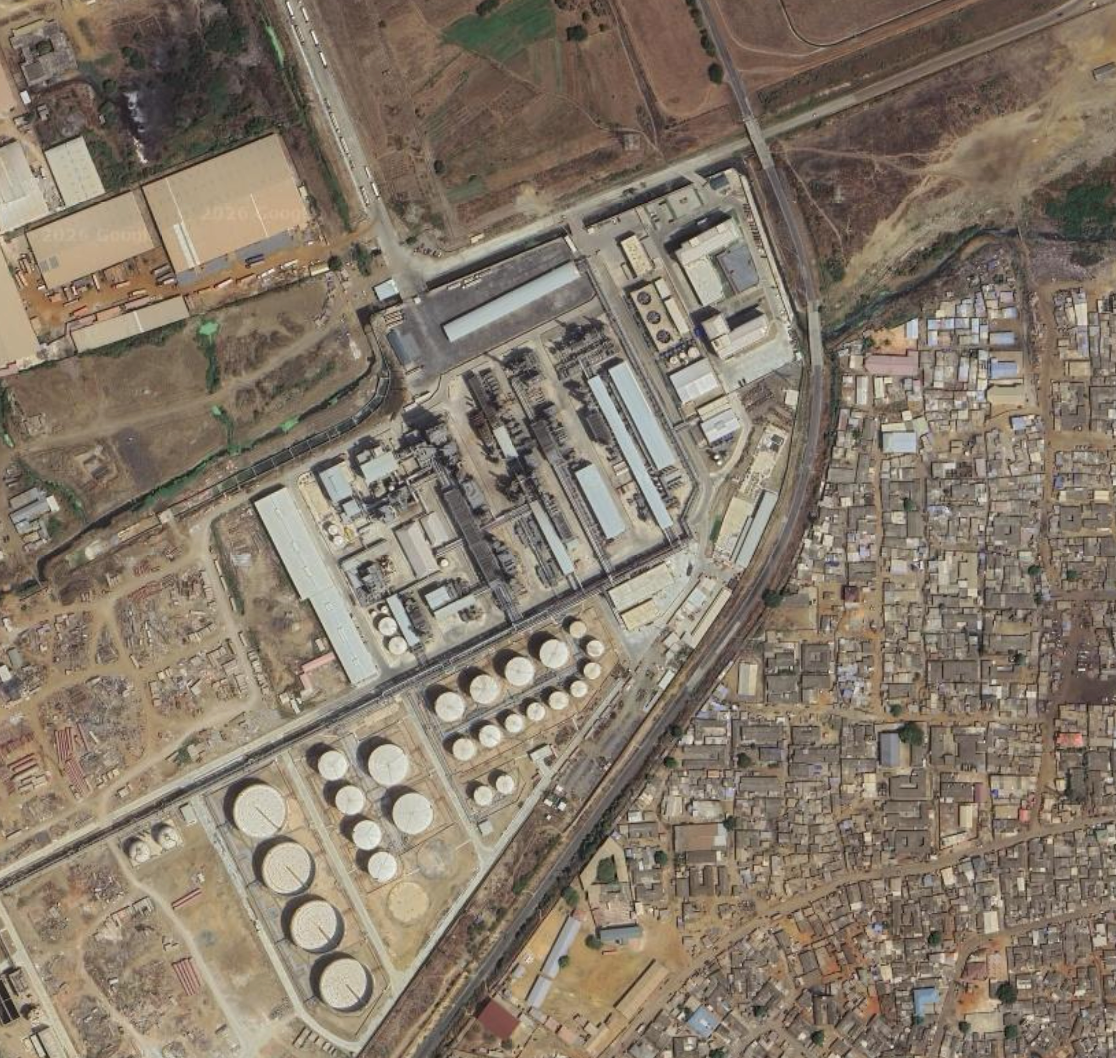
Today, Sentuo Oil Refinery Limited operates on a 100-acre site in Tema’s industrial hub. A sitting president commissioned it, and it holds a full operational licence from the National Petroleum Authority (NPA).
But the journey hasn’t been smooth.
Controversy over the site’s location, accusations of selling sub-standard fuel, and recent flooding have brought the refinery back into the spotlight.
Observers have noted that the refinery’s location might be contributing to worsening floods in the Tema area.
The EPA Says No. Construction Began Anyway
In December 2019, Sentuo officially submitted its permit request to the Environment Protection Agency (EPA) to build its refinery.
Correspondence between the Tema Development Corporation and the Tema Traditional Council reveals the company leased 217 acres of land for 60 years.
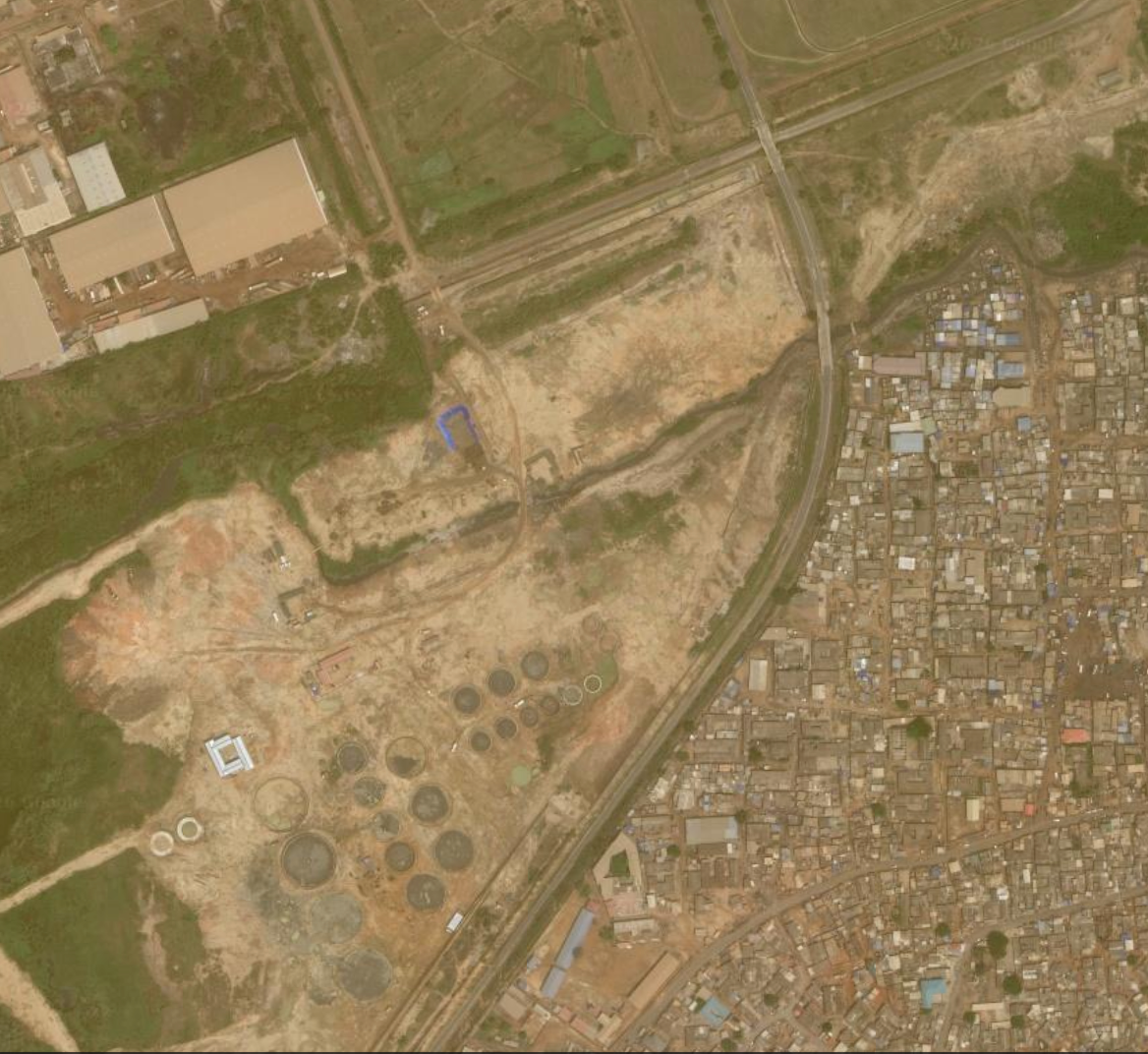
But in a letter dated May 21, 2020, the EPA declared the proposed site a wetland after a scope report. The area was designated a flood buffer zone, and the EPA’s Executive Director, Henry Kokofu, stated that he did not expect his agency to grant the permit.
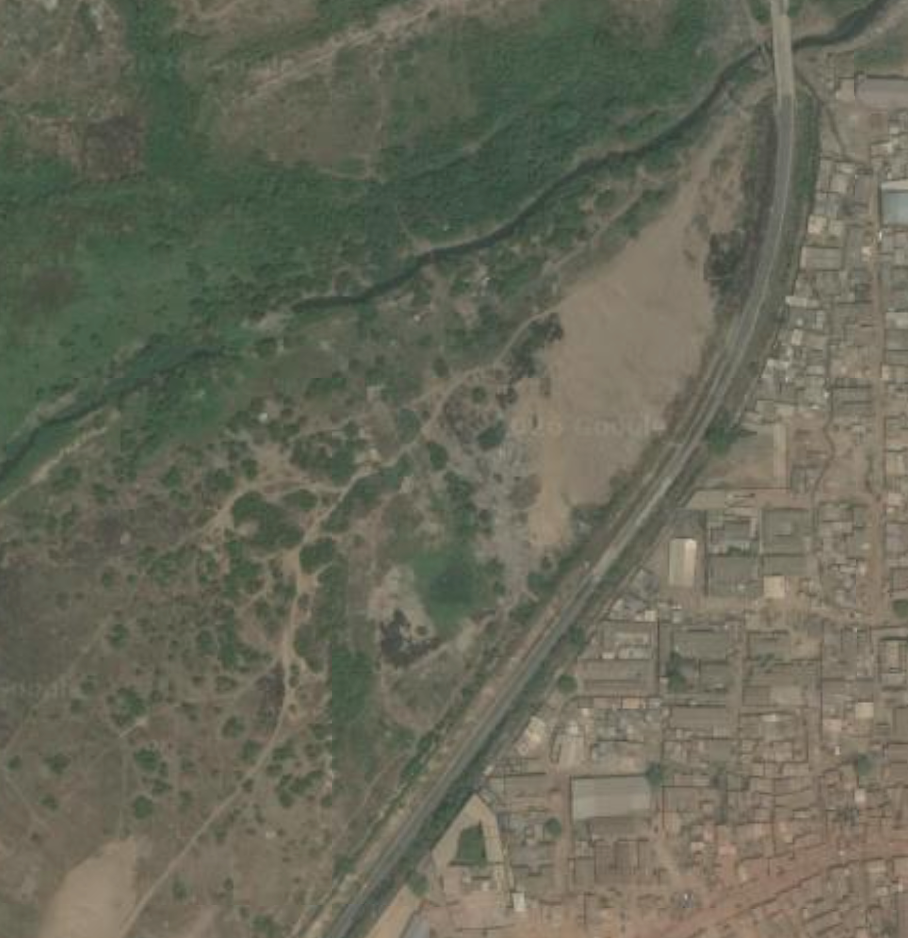
The reasons were not trivial. The EPA noted its key goal was to rehabilitate the Chemu Lagoon, and said it would not allow any action that would worsen the lagoon’s condition.
The agency maintained the entire landscape had originally been a wetland, with the dynamics shifting due to consistent urban development that had gradually blocked water channels leading to the sea.
By April 2021, the dispute had moved from letters to on-the-ground action.
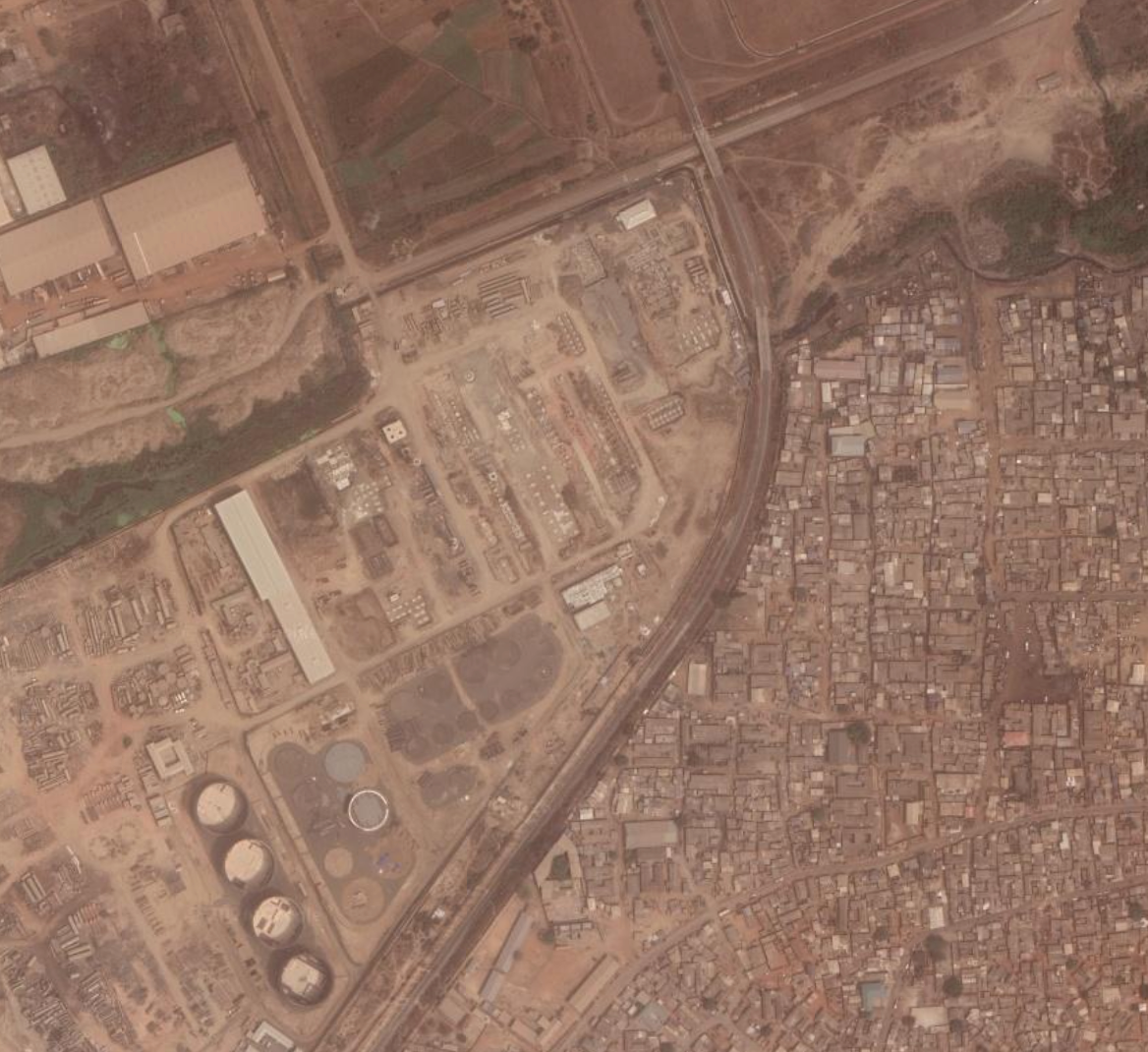
Despite the EPA’s refusal to grant a construction permit, checks by Citi News showed construction works were ongoing at the proposed site in Tema Newtown.
A Government Body Contradicts Its Own Regulator
What made the situation more complicated was not just that construction had begun — it was that a government-linked entity was providing cover for it.
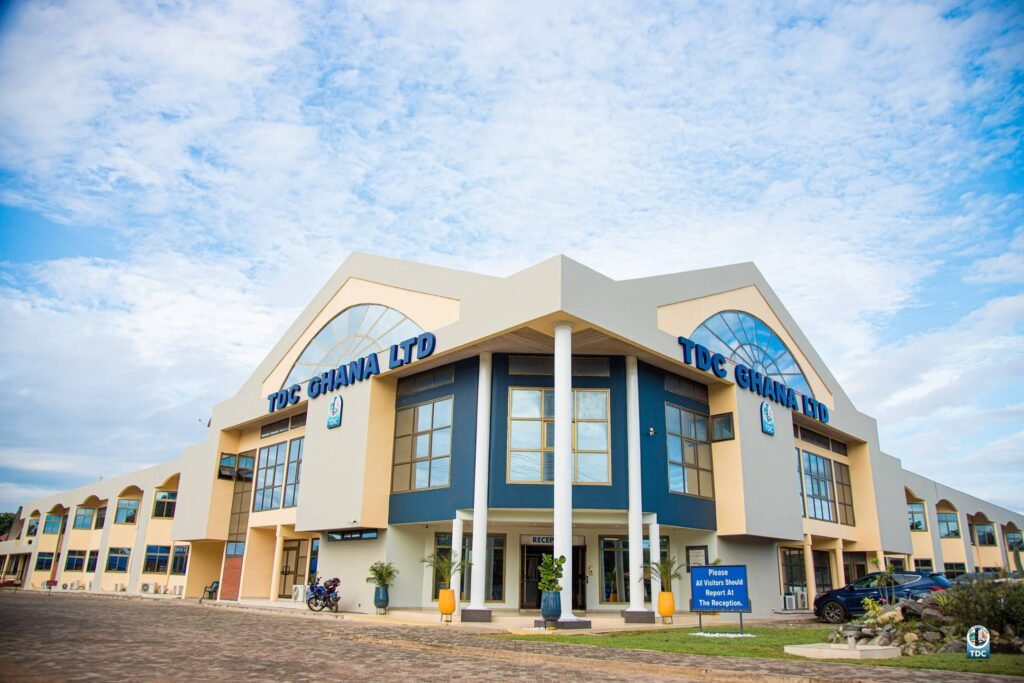
The Tema Development Corporation (TDC) defended the company, insisting the site was not a wetland.
TDC’s Protocol and Administrative Officer, Ian Ocquaye, maintained that construction could go ahead, arguing that water lines running through parts of the 96-acre portion made sections marshy, but that did not constitute a wetland classification.
“The 96-acre land, which we seek to apply for, has some water lines that run through portions of it. As a result of that, it’s natural that portions of it will be marshy. But that doesn’t mean that particular place is a wetland,” he said in an interview in 2021.
Ocquaye also said investors had been advised — as with other companies in Tema’s heavy industrial area — to undertake reengineering and construct a proper drainage system before commencing construction.
He added that Sentuo had been directed to engage the Hydro Department for planning and hydrological guidelines and was prepared to abide by any EPA roadmap.
The institutional contradiction was stark: the EPA, Ghana’s environmental regulator, said the site could not be developed; the TDC, which had leased the land to Sentuo, said it could.
Construction continued.
The project proceeded under the government’s One District, One Factory (1D1F) policy framework, which gave it political momentum that environmental objections could not easily stop.
An Environmental Impact Assessment (EIS) prepared by Sentuo in 2020 had proposed mitigation measures for wetland impacts, air quality, and water management. Permits were eventually issued.
Potential Red Flags With Assessment Report
In the assessment report, there is acknowledgement that the site lies in the catchment of the Chemu Lagoon, which the EIS itself acknowledges — and then proceeds to treat as a manageable engineering problem.
The EIS describes drainage and stormwater management systems as mitigation measures, but those measures are wholly inadequate as a response to what is, at its core, a site suitability problem.
The EIS also acknowledges that the site lies within the Chemu Lagoon catchment area, with the lagoon opening into the sea approximately 1km southward near the Tema Fishing Harbour.
Yet the treatment of this proximity in the document is cursory.
For a refinery processing 3 million metric tonnes of sour crude per year — including heavy oil catalytic cracking, diesel hydrogenation, and a sulphuric acid plant — the potential for chronic discharge contamination and catastrophic spill events into the lagoon system is enormous.
Another thing to note was that the assessment was prepared by Environmental Partnership Limited, a private consultant hired by Sentuo.
(The Labari Journal could not find information on the company. According to the Office of Registered Companies (ORC), it is officially registered as a Company by Shares)

Under Ghana’s LI 1652 framework, this is standard practice — but it means the document serves the proponent’s interest in obtaining a permit.
There is no indication in the report that an independent third-party technical review was commissioned, or that the EPA’s scope report findings (which would have preceded this EIS) were genuinely integrated into the assessment methodology.
Commissioning, Controversy, and a Fuel Quality Crisis
On January 26, 2024, President Nana Addo Dankwa Akufo-Addo commissioned the refinery — Ghana’s first private oil refinery — at the Tema Industrial Area. The milestone was framed as a landmark for local energy production and a vindication of the 1D1F policy.
The celebration did not last long.
In February 2024, the Chamber of Petroleum Consumers (COPEC) and the Institute for Energy Security (IES) urged the NPA to shut down the refinery over alleged illegal operations, raising concerns about it operating without the appropriate NPA permit and supplying substandard fuel to Ghanaians.
The NPA pushed back. It said that beyond a construction permit, it had issued Sentuo a test-run authorisation in October 2023 — based on reports from its technical teams and external inspectors — and that the authorisation was valid until March 31, 2024.
It described the IES and COPEC allegations as incorrect and alarmist.
On the fuel quality issue, the NPA’s response was more guarded. The authority confirmed it had suspended the approval for Sentuo to sell a specific petroleum product after its monitoring exercise on February 16, 2024, found the petrol consignment exhibited vapour pressure above the maximum requirement under Ghana Standard GS 140:2022.
The NPA directed the suspension of sales at the refinery and the evacuation of the affected product from filling stations.
COPEC and IES escalated, calling on the NPA to make public the full list of sanctions imposed on Sentuo since the substandard products entered the market.
They also threatened to petition the courts and called on the Office of the Special Prosecutor to investigate the refinery’s activities.
A Future Flood Issue?
By July 2024, the NPA had issued Sentuo a full operational licence, valid from July 1 to December 31, 2024. The African Refiners and Distributors Association (ARDA) and energy consultancy CITAC visited the refinery to congratulate its leadership on reaching the milestone.
On June 26th, President Mahama paid a visit to Sentuo for a sod-cutting ceremony for the second phase of expansion of the refinery.
On June 29th, heavy rainfall in the Tema area revealed potential problems with the site’s location.
A social media user posted a video online showing extensive flooding around the Sentuo refinery.
Whether the mitigation measures proposed in Sentuo’s EIS have been effectively implemented could not be confirmed.
There is also no confirmation if the flood buffer zone has been adequately managed. In the highlighted video, it might appear that those measures have been implemented.
Parliamentary monitoring visits and EPA statements as recently as 2026 have not confirmed major violations attributable to the refinery, but independent environmental assessments of the site remain limited in the public record.
This article was edited with AI and reviewed by human editors



Follow