The Driver and Vehicle Licensing Authority (DVLA) of Ghana has unveiled plans for a new vehicle number plate system set to launch in 2026, designed to combat smuggling and ensure compliance with import duties.
The initiative comes in response to a surge in vehicle trafficking across West Africa, particularly in Ghana, where smuggled cars, often referred to as “Togo cars,” have become a growing concern.
RFID License Plates
In a statement posted on Facebook on Monday, August 25, 2025, DVLA Chief Executive Officer Julius Neequaye Kotey announced that the new plates will incorporate Radio Frequency Identification (RFID) technology, linked to a central database.

This system will allow authorities to verify the authenticity of every vehicle, making it nearly impossible to register smuggled or undocumented cars.
“The new system will ensure that every vehicle can be authenticated against our database,” Mr. Kotey said. “This way, smuggled cars or those that have avoided the payment of duties cannot slip through the cracks.”
Cracking Down on Stolen Vehicles
The announcement follows a major crackdown on vehicle trafficking in the region. In May 2025, an INTERPOL-led operation named “Safe Wheels” dismantled a significant trafficking network across West Africa, detecting approximately 150 stolen vehicles and seizing over 75 in 12 countries, including Ghana and Nigeria.
The two-week operation, which also sparked 18 new investigations and exposed two organized crime syndicates, revealed that most of the trafficked vehicles originated from Canada, with others stolen from France, Germany, and the Netherlands.
Highlights of New License Plates
The new plates to be introduced in Ghana, are part of a broader effort to modernize Ghana’s transport sector and strengthen vehicle regulation.
Beyond curbing smuggling, the RFID technology will aid law enforcement in tracking stolen vehicles and those linked to criminal activities.
The DVLA also highlighted additional benefits, such as enabling contactless toll collection at booths and improving road safety through reflective surfaces for better visibility in low-light or adverse weather conditions.
The plates will replace the current year-of-registration marker with a regional code to indicate a vehicle’s origin.
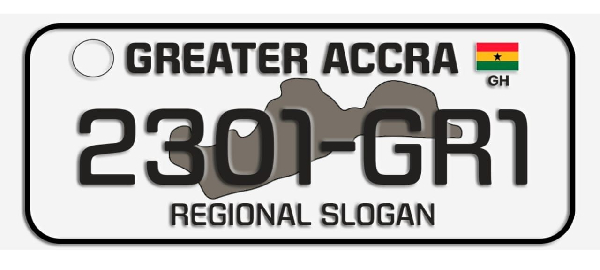
Mr. Kotey emphasized that the initiative is still in development, with design and security specifications under review to meet both national and international standards.
”These changes are aimed at creating a more secure, transparent, and effective vehicle management system, benefiting both vehicle owners and the public“, he said.
This article was edited with AI and reviewed by human editors