Story Highlights
- Ghana signed a $1B MoU with the UAE in May 2025 to build Africa’s largest integrated tech hub in Ningo-Prampram, framed around AI infrastructure and job creation.
- The UAE’s signatory, Sultan Ahmed Bin Sulayem — Chairman of PCFC and CEO of DP World — was named in the Epstein files as a co-conspirator in February 2026 and subsequently resigned. He has not been charged.
- The lead AI partner, Abu Dhabi-based G42, has a documented history of surveillance links — including alleged ties to spyware used before journalist Jamal Khashoggi’s murder, and a messaging app accused of tracking users for the UAE government.
- Ghana’s newly launched National AI Strategy places data sovereignty at its core — yet the hub’s data governance terms have not been made public, and the Responsible AI Office’s authority over the foreign-operated hub remains undefined.
ACCRA — When Ghana’s Minister of Communication, Digital Technology and Innovations, Samuel Nartey George, stood before cameras on May 29, 2025, to announce a $1 billion agreement with the UAE, the scale of the moment was hard to dispute.
Africa’s largest integrated technology hub. Local creation of jobs. A national AI infrastructure would be built in Ghana.
The deal is significant. The questions it raises are equally so.
What hasn’t been largely reported in the aftermath is the partners behind the deal: One was named in the Epstein files, and another was alleged to be involved in the surveillance of a now deceased Washington Post reporter.
As the country prepares to roll out its newly launched National AI strategy, questions arise about data sovereignty, privacy, and potential fallout from the Epstein files.
Questions of The Signed MoU
The Memorandum of Understanding (MoU) establishes the “Ghana-UAE Innovations and Technology Hub” in Ningo-Prampram, Greater Accra. It aims to position Ghana as a leading centre for artificial intelligence and emerging technologies in Africa.
Under the arrangement, Ghana provides the land and policy framework, while the UAE, through the Ports, Customs and Free Zone Corporation (PCFC), finances and oversees the development.
PCFC’s involvement warrants explanation. The corporation is a logistics and free zone body — not a technology developer. Its flagship Jebel Ali Free Zone houses over 11,000 companies and contributes more than 36% to Dubai’s GDP.
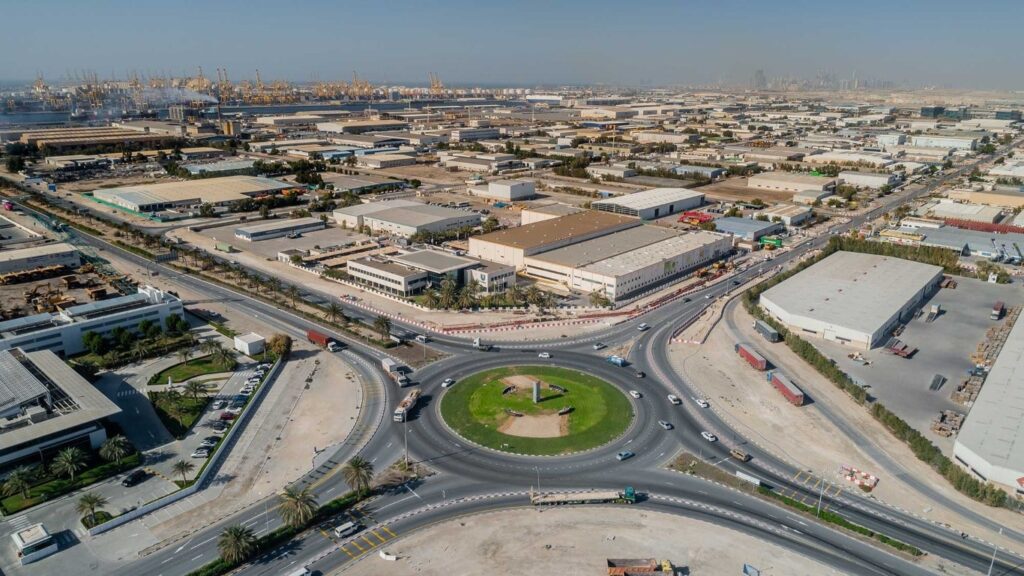
PCFC itself is described as “a leading logistics and supply chain company”, implying a port and free-zone type development.
That distinction matters. What Ghana may be agreeing to — beneath the language of digital transformation — is a Dubai-style economic enclave: a zone where international companies establish operations under a parallel regulatory framework, with preferential tax treatment and governance terms the public has not yet seen.
Whether that is desirable is a legitimate policy debate. Whether it has been presented clearly to Ghanaians is a separate concern.
The Labari Journal reached out via email to PCFC to inquire about their current role in the building of the hub. We did not get a response by the time of publication.
The Chairman Linked to Jeffrey Epstein
Sultan Ahmed Bin Sulayem represented the UAE at the signing. At the time, he was one of the most prominent logistics executives in the world.
As Chairman of PCFC and Group CEO of DP World, he oversaw operations across 83 countries, with over 119,000 employees handling roughly 10% of global container trade.
In February 2026, nine months after the MoU was signed, Bin Sulayem resigned from both positions.
The February 2026 public release of the Epstein files named him as a co-conspirator in the child sex trafficking ring led by Jeffrey Epstein. He has not been charged. He resigned from his executive positions due to his association with Epstein.

Released emails show the two men were in contact between 2007 and 2018, with correspondence covering business matters, personal exchanges, and efforts to access American political figures.
The MoU signed with the Ghana government predates these revelations, and Bin Sulayem has not been criminally charged.
But the deal he signed appears to remain active, and Ghana’s government has not publicly addressed who now represents the UAE partnership, whether the agreement’s terms have been reviewed, or whether Bin Sulayem’s departure from PCFC has any bearing on the project’s continuity.
The Labari Journal reached out via email to the Ministry of Communications requesting for comment on Mr. Sulayem’s association with Epstein and how his resignation would affect the project.
We did not get a response at the time of publication.
The AI Firm and Its Record of Surveillance
G42, the Abu Dhabi-based technology group at the centre of the hub’s AI layer, is a company with considerable capability and a complicated history.
It is responsible for the $180 million AI Compute Hub and, through its affiliate AI71, a further $100 million national AI-powered digital identity system built on Falcon large language models.
G42 is headed by Tahnoun bin Zayed Al Nahyan, a son of the founder of the UAE. Its CEO, Peng Xiao, previously worked for DarkMatter, a UAE-based firm accused of operating as a state-surveillance-for-hire company.
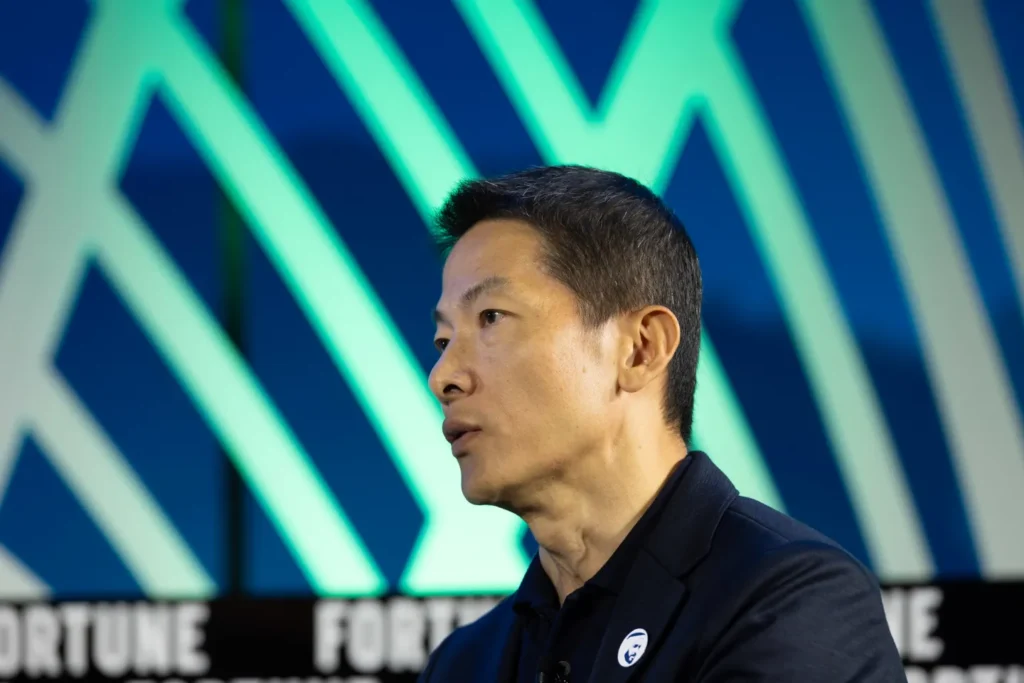
Xiao was involved in developing Pegasus, spying software that was allegedly used by the Saudi Arabian government to access journalist Jamal Khashoggi’s communications before his murder.
G42 has denied a connection between the two companies.
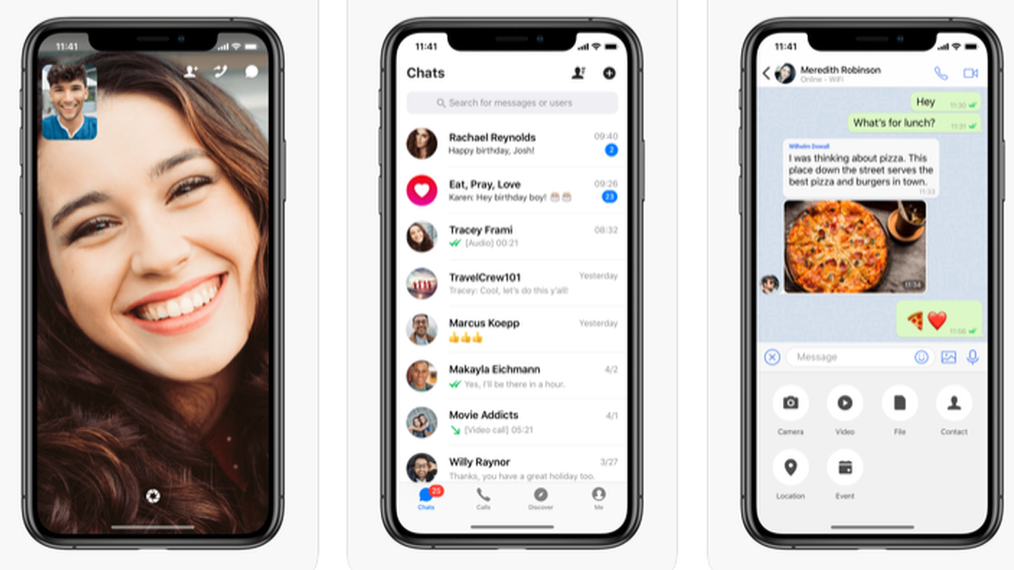
G42 was also reportedly the sole registered shareholder of ToTok, a messaging application accused of being used by the UAE government to monitor the conversations, movements, and relationships of those who installed it.
Apple and Google removed the app following the allegations.
The company has since taken visible steps to address these concerns.
They announced it would sever ties with Chinese hardware suppliers, with its CEO stating the company could not credibly work with both American and Chinese partners simultaneously.
Microsoft subsequently invested $1.5 billion in G42, with Microsoft’s president, Brad Smith, joining the company’s board.
These are meaningful developments. They do not, however, resolve the central question for Ghana:
The question is what provisions exist in the MoU governing how Ghanaians’ data — particularly data flowing through a nationally significant digital identity system — is stored, accessed, and protected.
That question applies to any foreign operator. It is more pressing when the operator carries G42’s particular background.
The Labari Journal reached out via email to G24 to inquire about their current role in the building of the hub. We did not get a response by the time of publication.
Reading the Numbers Carefully
The $1 billion in the signed MoU is allocated across three broad areas: $400 million for AI infrastructure, $350 million for digital infrastructure, including 5G rollout and a Tier IV data centre, and $250 million for talent, innovation, and capital development.
It is worth noting that the hub is designed to anchor business process outsourcing and knowledge process outsourcing operations alongside AI engineering — industries that create employment but are not typically associated with the frontier technology development the announcement imagery suggests.
The project targets completion by 2028, with construction beginning in 2026.
Ghana’s National AI Strategy
On April 24, 2026, President John Mahama officially launched Ghana’s National AI Strategy, and the Ningo-Prampram hub would appear to sit at the centre of it.
President Mahama described the strategy as a defining step in Ghana’s transition towards a digitally driven economy, stating that the country must move beyond passive consumption of emerging technologies to actively shaping their development and deployment.
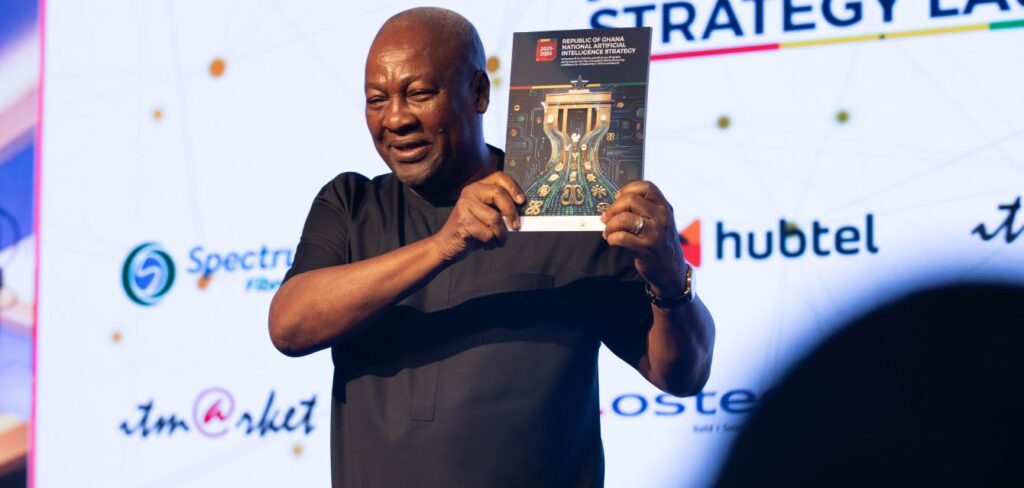
The strategy’s pillars — ethical and responsible AI development, education and workforce readiness, AI-driven industrial innovation, data governance, research and ecosystem development, and the use of AI to improve public sector performance — reflect serious policy thinking.
Central to the strategy is a $270 million investment package, with $250 million earmarked for a national AI computing centre and a further $20 million for short- to medium-term strategy implementation.
Here is where the tension becomes structural.
Ghana’s National AI Strategy explicitly places data sovereignty at its core. The strategy aims to protect and strategically leverage Ghana’s datasets as a national asset.
The government has stated that AI systems built in Ghana must be anchored in local data to safeguard digital sovereignty and produce technologies Ghanaian in both design and purpose.
The government has not clarified if the UAE deal is separate from its recently announced $250 million centre.
If the centre refers to the MoU signed last year, it would appear to hand the architecture of Ghana’s national AI compute layer — and its digital identity system — to G42, a foreign-owned firm operating under Emirati models.
A dedicated Responsible AI Office is set to oversee strategy implementation, ensuring alignment with ethical standards and national development goals.
But that office’s authority over a privately-built, foreign-operated hub has not been defined publicly.
Ghana has also announced an Emerging Technologies Bill, currently in draft form, aimed at establishing ethical and data protection standards and reinforcing accountability mechanisms for AI use.
The bill is not yet law. The hub agreement is already signed. The sequencing matters: Ghana is committing its national infrastructure to a foreign operator before the legislative framework to govern that operator is in place.
The UAE Deal Needs More Scrutiny
Ghana has a genuine need for digital infrastructure investment, and the logic of pairing skills training through its One Million Coders programme with job-creating infrastructure is sound policy thinking.
The concern is not the ambition. It is the accountability architecture around it.
Publishing the full MoU, commissioning an independent review of the land and data governance terms, and providing a clear public statement on how Bin Sulayem’s departure affects the UAE side of the partnership would be reasonable first steps.
This article was edited with AI and reviewed by human editors