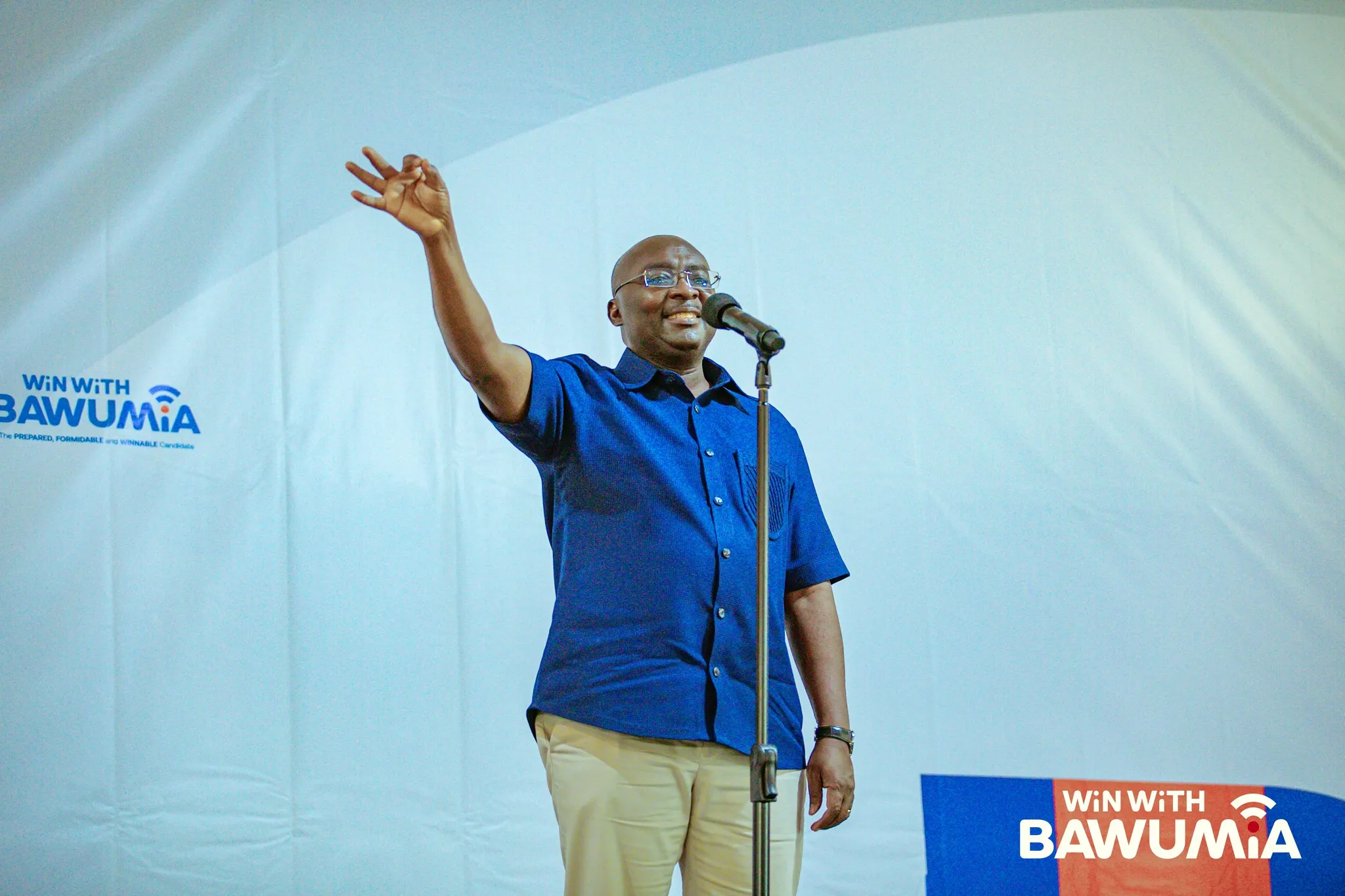
On Sunday, 8th December 2024, Ghana’s former Vice President made a decision which raised a lot of eyebrows: He conceded defeat after the first day of voting in Ghana’s election.
Dr. Mahamudu Bawumia, Ghana’s 7th Vice President under the Akufo-Addo administration, had campaigned for the country’s highest political office after securing his political party’s flagbearership.
In the lead-up to the general elections on December 7th, political polls had predicted his opponent, John Dramani Mahama, to win the elections.
Many of his staff, including one of his well-known aides, Dennis “Miracles” Edward Aboagye, dismissed the polls as biased, stating that Dr Bawumia would secure the votes to win the elections.
“In Ghana, it has been proven that you can win [power with] eight out of ten [old] regions. Dr Mahamudu Bawumia can win all the regions except the Volta Region,” he said in a radio interview.
After polls closed in the evening of December 7th, early numbers had Mahama with a sizable lead.
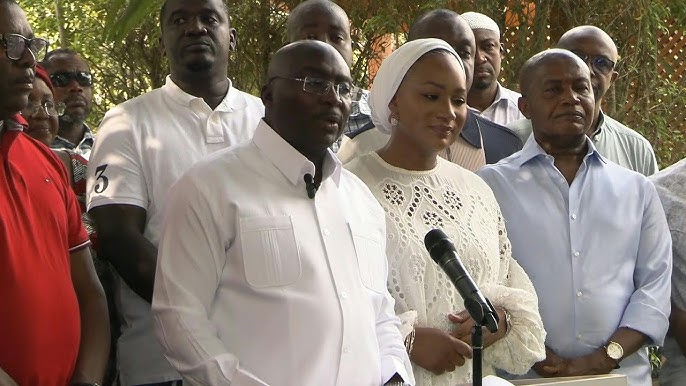
The next day, Dr Bawumia, at his home, organised a small press conference where he conceded the elections before the Electoral Commissioner officially certified the final results.
“The people of Ghana have spoken, the people have voted for change at this time and we respect it with all humility,” Dr. Bawumia said.
In the final tally, Dr. Bawumia garnered just 41.3% of the vote against Mahama’s resounding 56.6%.
Under the Akufo-Addo administration, Dr. Bawumia was the architect of ambitious digital reforms. He had hoped to carve his own path during his election campaign, spotlighting numerous initiatives he had spearheaded as Vice President.
But after Ghana’s terrible economic turbulence, Dr. Bawumia could not distance himself from President Akufo-Addo, whom many blamed for the country’s downturn.
Fast forward, one year after the 2024 elections, and the former Vice President is once again in the spotlight.
On January 31, 2026, Dr. Bawumia is likely to be elected as the National Patriotic Party (NPP) flagbearer in the party’s primaries.
At 62, the former VP will grapple with a tarnished legacy left by his predecessor. He is also likely to face internal party fractures and questions about whether the NPP will fully rally behind him in 2028.
Early Success in Politics
Born in Tamale in northern Ghana to a prominent Muslim family, Dr. Bawumia earned a doctorate in economics from Simon Fraser University in Canada and built a career at the Bank of Ghana, rising to deputy governor by 2006.
His expertise in monetary policy caught the eye of Akufo-Addo, who tapped him as running mate in the 2012 and 2016 elections.
The duo’s 2016 victory marked the NPP’s return to power after eight years in opposition, and Bawumia quickly positioned himself as the government’s modernizer-in-chief.
His achievements in office were rooted in a vision of “digitizing Ghana” to leapfrog developmental hurdles.
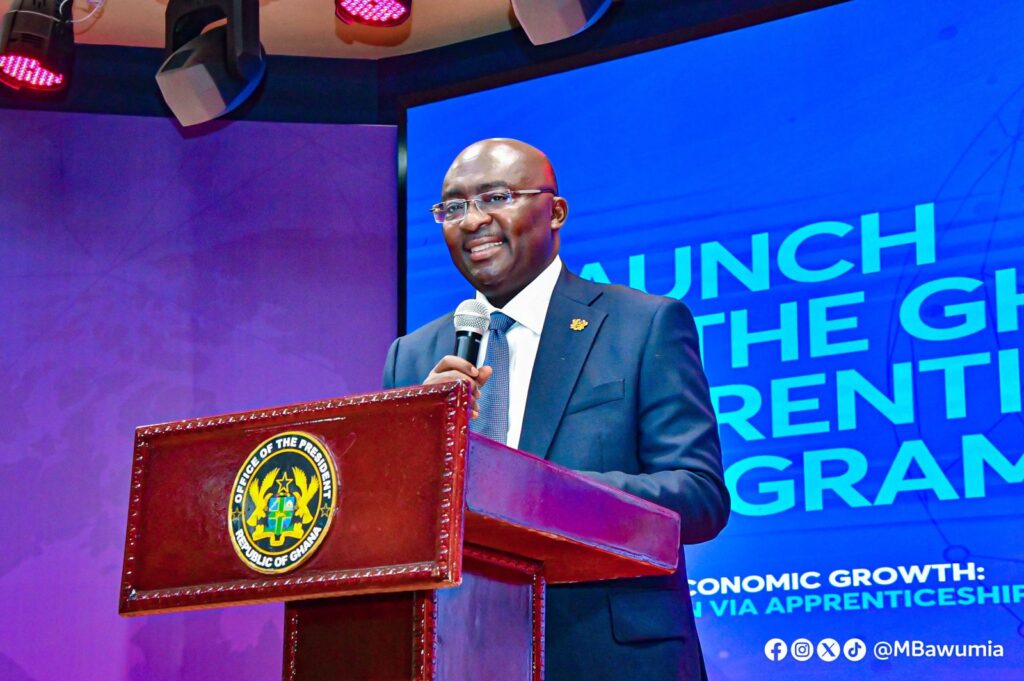
As head of the Economic Management Team, Bawumia spearheaded the Ghana Card initiative, a national digital ID system that enrolled over 17 million Ghanaians by 2024, integrating it with banking, health, and tax services to reduce fraud and improve efficiency.
He also championed the Mobile Money Interoperability platform, which allowed seamless transactions across networks and boosted financial access in rural areas, contributing to Ghana’s fintech boom.
Bawumia’s tenure saw economic highs, including overseeing Ghana’s rebound from the 2016 recession. GDP growth averaged 6% in the early years, fueled by oil revenues and infrastructure projects like the “One District, One Factory” initiative.
The Falling Economy
Yet, Bawumia’s record is marred by significant failures that eroded public trust and fueled his electoral downfall.
Critics point to the government’s handling of the 2022-2023 economic crisis, when inflation soared to 54% — the highest in two decades — and the cedi depreciated by over 50% against the dollar.
As the face of economic policy, Bawumia bore much of the blame, with opposition figures accusing him of overpromising on stability.
The “E-Levy” tax on mobile money was also a sore spot for many Ghanaians. Although he had earlier stated that he disagreed with a tax on mobile money, observers stated he had not fought against its implementation.
Ironically, in his election campaign, he promised to repeal the tax.
Unemployment remained stubbornly high at around 14%, particularly among youth, despite job-creation pledges.
Some of Bawumia’s ambitious digital agenda faltered in execution.
The digital addressing system failed to gain traction, with some reports stating that adoption wasn’t high.
The 2024 election crystallized these shortcomings.
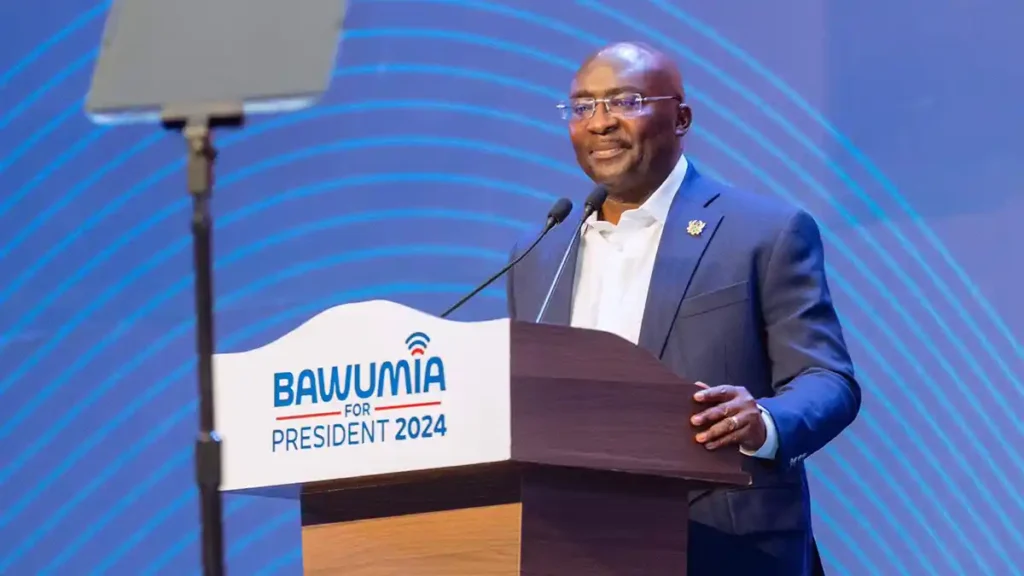
Running as the NPP’s flag-bearer, Bawumia campaigned on an “It’s Possible” slogan, promising tax amnesty, free university education, and crypto-friendly policies to appeal to young voters.
But in a nation weary of economic hardship, his message fell flat.
John Mahama, the National Democratic Congress (NDC) candidate and former president, capitalized on discontent, portraying Bawumia as out of touch with ordinary Ghanaians.
Voter turnout was high at 78%, but Bawumia lost key swing regions like Greater Accra and the Volta, where economic grievances ran deep.
Potential Comeback and Political Infighting
After the elections, the NPP regrouped and announced that it was scheduling its presidential primary for Saturday, January 31, 2026, surprising many.
The party leadership, led by General Secretary Justin Kodua, pushed for this January 2026 date to resolve internal leadership tensions early and avoid a rushed campaign ahead of the 2028 general election.
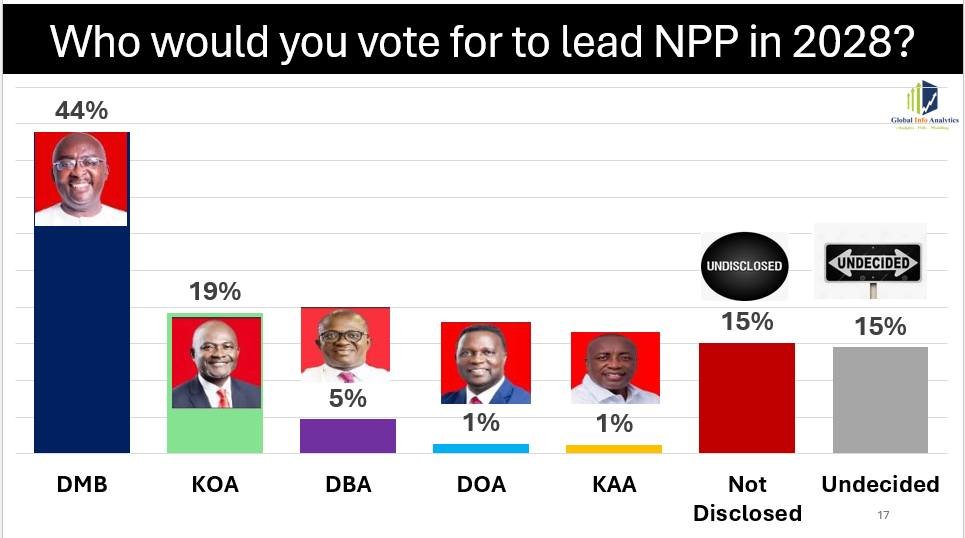
At the NPP’s national congress in late 2025, factions emerged: hardliners loyal to Akufo-Addo pushed for Bawumia’s rehabilitation as a potential 2028 candidate.
Others advocated for fresh faces like Kennedy Agyapong, the former MP for Assin Central, who finished second in the last primary.
Other persons vying for flagbearership include Kwabena Agyei Agyepong, the former General Secretary; Bryan Acheampong, former Minister of Food and Agriculture, and Dr. Yaw Osei Adutwum, former Minister of Education.
In the lead-up to the primaries, Dr. Bawumia has faced criticism and personal attacks from members of his own party.
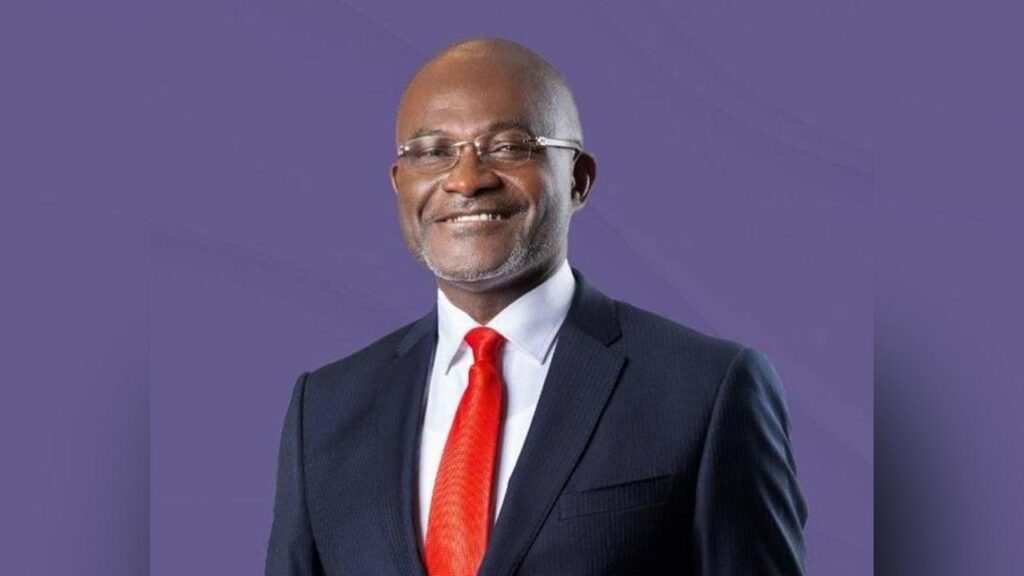
Last month, Kennedy Agyapong dismissed Dr. Bawumia as “irrelevant” in a radio interview.
“I do not have time for Dr Bawumia. In my life, he does not exist, because if he existed, I might commit a crime. That is how I see myself,” he said.
In a separate incident, an NPP Member of Parliament for Asante Akim South, Kwaku Asante Boateng, made incendiary remarks about the former Vice President.
In an interview with Accra-based Adom TV, he described Dr. Bawumia as “an outsider” and “a slave brought in to serve us”.
The NPP, in a public statement, distanced itself from the comments made by the MP, which many considered “tribalistic”.
Watching The Current Mahama Administration
In many ways, Dr. Bawumia’s chances of winning the 2028 elections largely depend on how well the current Mahama administration performs.
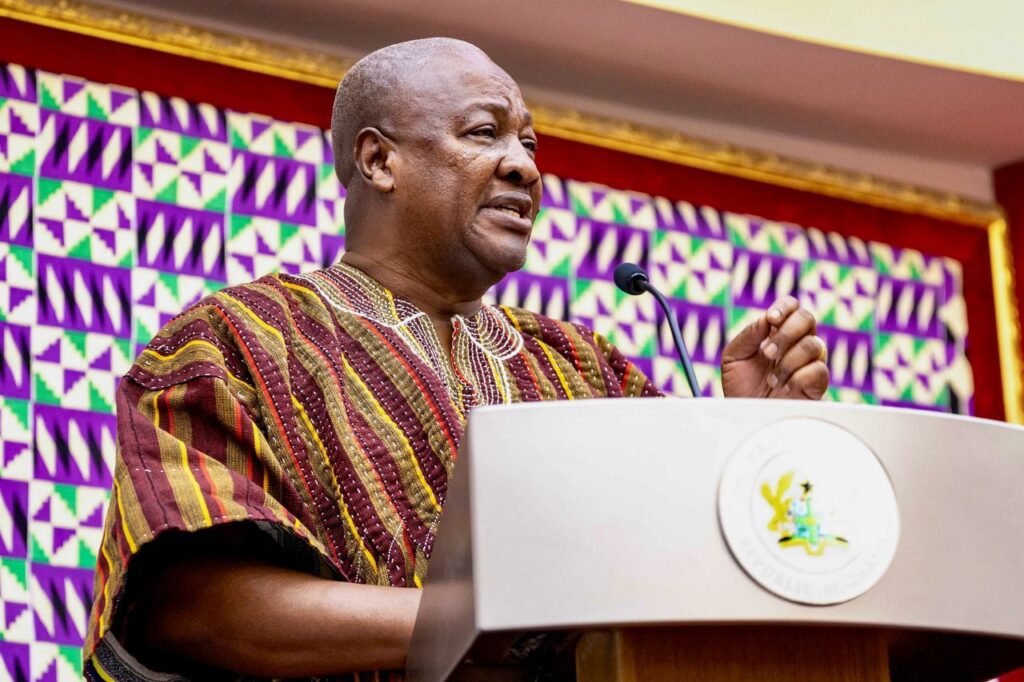
In its first year, President Mahama achieved some early successes. He abolished taxes, including E-Levy and an emissions tax.
By the end of the year, President Mahama had a 67% approval rating according to political polls.
But the administration also endured some controversies, including the suspension of Supreme Court Justice Gertrude Torkornoo.
As the Mahama administration enters its second year, it will need to translate some of its early successes into long-term wins, especially with the economy.
Currently, the NDC controls the majority of parliament and will likely be able to execute many of its policies and easily pass laws to achieve its mandate.
For Dr. Bawumia, being elected as flagbearer for his party would be a crucial first step in his campaign for 2028.
Whether internal politics will derail him along the way is something to watch.
For the NPP party, vanquishing its demons of the past years will be a tough assignment.
Currently, notable figures like former Finance Minister Ken Ofori-Atta are “on the run” after being accused of causing financial loss to the state.
Other notable individuals are facing prosecution in the National Service saga, where the CEO, who is an NPP member, has been accused of embezzlement.
If the Mahama administration continues to add up its early wins and grow the economy when 2028 rolls around, it will be hard for the NPP to make a case for a change in government.
For Dr. Bawumia, it could mean a second loss and further descension in chaos for the party.